Trump Threatens Strikes on Iranian Power Plants and Bridges in Expletive-Laden Truth Social Post
WASHINGTON — President Donald Trump issued a blunt warning to Iran on Easter Sunday, April 5, 2026, declaring that Tuesday would bring unprecedented attacks on the country's power plants and bridges unless Tehran opens the Strait of Hormuz.

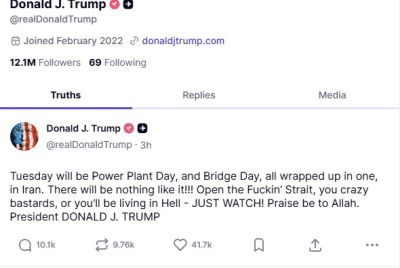
In a Truth Social post at 12:03 p.m. EDT, Trump wrote: "Tuesday will be Power Plant Day, and Bridge Day, all wrapped up in one, in Iran. There will be nothing like it!!! Open the Fuckin' Strait, you crazy bastards, or you'll be living in Hell - JUST WATCH! Praise be to Allah. President DONALD J. TRUMP." The message quickly drew thousands of reactions, with more than 39,000 likes and 9,000 re-truths within hours.
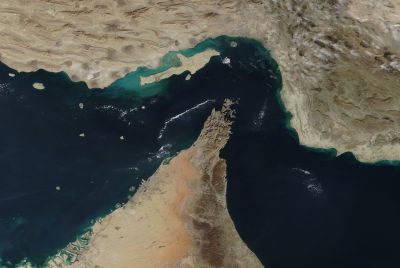
The post escalates longstanding tensions over the strategic waterway, a critical chokepoint through which about one-fifth of global oil passes. Disruptions there have contributed to recent fuel shortages and price spikes in the United States and worldwide, including diesel shortages affecting Australian farmers and broader economic ripple effects.
White House officials did not immediately comment on the president's language or whether the post signals imminent military action. National Security Council spokespeople referred questions to the Pentagon, which also declined immediate comment on operational matters.
The blunt rhetoric comes amid ongoing conflict involving Iran that has already disrupted global energy markets. Earlier reports indicated U.S. concerns over Iran's role in regional instability and its impact on shipping lanes. Trump has repeatedly criticized previous administrations for what he calls weak policies toward Tehran.
The timing of the message — posted on Easter Sunday — drew mixed reactions. Some supporters viewed it as a strong show of resolve from the president, while critics questioned the tone and choice of day for such a stark warning. Trump had issued a separate Easter message earlier in the weekend emphasizing faith and hope.
The Strait of Hormuz reference ties directly to the current fuel supply challenges. Australia, heavily reliant on imported refined fuels, has faced diesel shortages at hundreds of service stations, with national reserves hovering around 29-39 days for key products. Energy experts link part of the crunch to disruptions in Middle Eastern supply routes and Asian refining capacity affected by regional tensions.
Trump's post echoes his long-standing "maximum pressure" approach toward Iran, which he first pursued during his initial term. He has accused Iran of destabilizing the region through proxy groups and nuclear ambitions. Tehran has denied seeking nuclear weapons and blamed U.S. sanctions for economic hardship.
Military analysts noted that targeting power plants and bridges would represent a significant escalation, potentially affecting civilian infrastructure and energy production. Iran's power grid and transportation network could face severe disruption, though experts caution that such strikes carry risks of broader regional conflict and retaliation.
The colorful language — including an expletive and the closing "Praise be to Allah" — is characteristic of Trump's unfiltered social media style. He frequently uses Truth Social to bypass traditional media and speak directly to supporters. The platform, which he launched after being banned from major sites following the Jan. 6, 2021, Capitol riot, remains his primary online outlet.
Reactions poured in quickly across platforms. Supporters praised the tough stance, with some calling it necessary deterrence against Iranian aggression. Critics, including some foreign policy experts, expressed concern that provocative rhetoric could undermine diplomatic efforts or escalate into unintended conflict.
The Biden administration had pursued a mix of sanctions and limited diplomacy with Iran. Trump has repeatedly vowed a harder line, promising to prevent Iran from acquiring nuclear capabilities and to protect vital shipping routes.
The post comes as global oil markets remain sensitive. Any actual closure or threat to the Strait of Hormuz could send energy prices soaring further, exacerbating inflation concerns in the U.S. and abroad. Recent U.S. fuel excise cuts and government efforts to secure alternative shipments reflect attempts to mitigate domestic impacts.
Pentagon officials have previously confirmed heightened naval presence in the region to safeguard maritime traffic. U.S. Central Command has conducted freedom-of-navigation operations in the area for years.
Iranian officials had no immediate public response to the specific post, though state media often denounces Trump's comments as bluster or warmongering. Tehran has warned that any attack on its territory would provoke a strong response, potentially targeting U.S. interests or allies.
Congressional leaders from both parties were briefed on regional developments in recent weeks, though details remain classified. Some lawmakers have urged restraint while others support a firm posture against Iran.
The president's message also touches on broader themes of American strength. Trump has positioned himself as a leader who restores respect for the U.S. on the world stage, frequently contrasting his approach with predecessors.
As of Sunday afternoon, no additional details had emerged about specific military plans for Tuesday. Defense Secretary and Joint Chiefs of Staff declined to confirm or deny operational timelines when asked by reporters.
The incident highlights the intersection of social media, presidential communication and foreign policy. Trump's direct style has both energized his base and drawn criticism for lacking traditional diplomatic nuance.
Energy traders monitored the situation closely, with some futures contracts showing volatility in response to the post. Analysts cautioned that actual military action would have far-reaching consequences for global supply chains already strained by recent events.
Domestically, the fuel situation has drawn attention from farmers, truckers and consumers facing higher prices at the pump. The administration has pointed to incoming shipments and policy measures aimed at stabilizing supplies.
Trump's Easter Sunday activity extended beyond the Iran post. He had shared messages focused on faith earlier, aligning with the holiday's religious significance for Christians celebrating the resurrection.
The full context of U.S.-Iran relations involves decades of hostility, including the 1979 hostage crisis, nuclear negotiations, sanctions and periodic military confrontations. Trump withdrew from the 2015 nuclear deal during his first term, citing its deficiencies.
Supporters argue his pressure campaign brought Iran to the negotiating table previously, while detractors say it isolated the U.S. and empowered hardliners in Tehran.
As Tuesday approaches, international observers watch closely for any signs of movement on the Strait of Hormuz or military posturing in the Persian Gulf. Diplomatic channels reportedly remain active, though public statements suggest hardened positions on both sides.
The president's post, while informal in tone, carries the weight of his office and has already reverberated through global media and financial markets. Whether it serves as effective deterrence or risks escalation remains a subject of intense debate among policymakers and analysts.
For now, the message stands as another example of Trump's willingness to use bold, unconventional communication to address international challenges. The coming days will clarify whether it leads to diplomatic breakthroughs, heightened tensions or direct action in one of the world's most volatile regions.
© Copyright 2026 IBTimes AU. All rights reserved.
- Recommended For You