Trump Posts "GREAT!!!" on Truth Social as Oil Tankers Flow Freely – What It Means for Energy Markets
WASHINGTON — President Donald Trump took to Truth Social early Saturday with a single emphatic word — "GREAT!!!" — accompanied by an image of empty supertankers steaming toward the U.S. Gulf Coast, signaling apparent relief as maritime traffic through the Strait of Hormuz normalized following weeks of high-stakes tensions with Iran.
The post, timestamped at 12:01 a.m. EDT on April 11, 2026, captured a moment of presidential satisfaction amid a rapidly evolving situation in the Persian Gulf. It marked a sharp tonal shift from Trump's earlier expletive-laden warnings that had dominated headlines just days before, when he threatened to bomb Iranian power plants and bridges if the critical waterway remained blocked.
The image attached to the post illustrated a wave of Very Large Crude Carriers (VLCCs) heading toward American refineries, alongside a global map highlighting tanker routes. It appeared to underscore improving conditions for oil shipments after disruptions tied to the U.S.-Iran confrontation that escalated in late March and early April.

Trump's brief exclamation quickly circulated across platforms, with supporters interpreting it as validation of his hardline approach that combined military pressure, negotiations and public ultimatums. Critics, however, viewed the one-word post as characteristic of the president's unpredictable communication style during international crises.
Context of escalating and de-escalating tensions
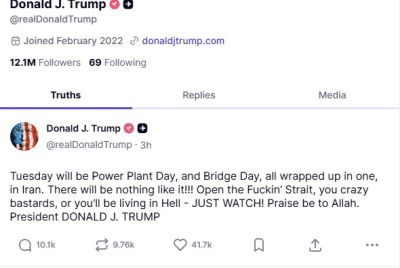
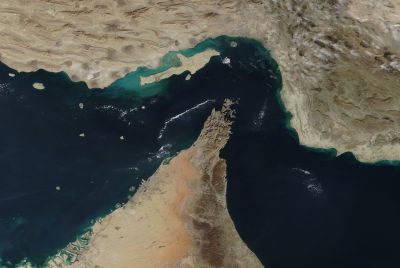
The "GREAT!!!" message arrives against the backdrop of a volatile period. In early April, Trump issued multiple Truth Social posts demanding Iran reopen the Strait of Hormuz — through which roughly one-fifth of the world's seaborne oil passes — or face severe consequences. On Easter Sunday, April 5, he posted a profanity-laced warning: "Tuesday will be Power Plant Day, and Bridge Day, all wrapped up in one, in Iran. ... Open the Fuckin' Strait, you crazy bastards, or you'll be living in Hell — JUST WATCH! Praise be to Allah."
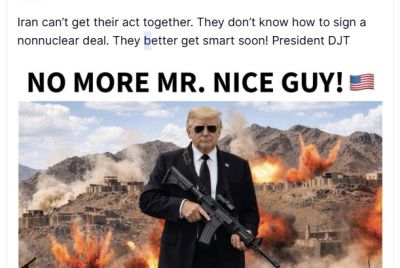
That rhetoric followed reports of Iranian restrictions on tanker movements and came after the assassination of key Iranian figures, creating a power vacuum in Tehran. Trump had given Iran deadlines, warning of "all Hell will reign down" and later stating a "whole civilization will die tonight" if demands were unmet, while expressing hope that a new, more reasonable regime could emerge.
By mid-week, the administration announced serious discussions with Iranian representatives. Trump posted that the U.S. was engaging with a "NEW, AND MORE REASONABLE, REGIME" to end military operations, while keeping forces in position as leverage. A ceasefire or temporary de-escalation appeared to take hold, allowing oil flows to resume without the threatened strikes materializing on the announced timeline.
The Saturday post with tanker imagery suggested tangible results: freer navigation, reduced risk premiums in oil markets and a potential easing of global energy price pressures. Industry analysts noted increased VLCC movements toward U.S. ports, indicating that exporters were once again comfortable routing through the strait.
Market and geopolitical implications
Oil prices reacted positively in overnight trading, with Brent crude dipping below key resistance levels as fears of prolonged disruption faded. Energy experts said the resumption of normal tanker traffic could prevent a spike that might have added dollars per barrel and rippled through gasoline prices at American pumps heading into the summer driving season.
The Strait of Hormuz remains a perennial chokepoint. Any sustained closure or harassment of vessels risks supply shocks, higher inflation and strained relations with allies dependent on Gulf oil. Trump's blend of bellicose posts and subsequent claims of diplomatic progress has drawn both praise for strength and criticism for volatility.
White House officials, speaking on background, described the president's social media activity as a tool to apply maximum pressure while leaving room for negotiation. They pointed to the recovery of U.S. airmen from Iranian territory as evidence of operational success amid the standoff, though details remained classified.
On Truth Social, the platform Trump launched after his previous bans from major sites, the post drew rapid engagement. Supporters hailed it as another win for "America First" energy dominance, while some users expressed lingering concerns over the risks of escalation that had briefly threatened wider conflict.
Trump's communication style in focus
The "GREAT!!!" post exemplifies Trump's longstanding habit of using Truth Social for real-time commentary on unfolding events. From policy announcements to personal reactions, the platform serves as his unfiltered megaphone, often generating immediate media coverage and public debate.
Earlier posts in the Iran sequence showcased a more confrontational tone, mixing threats, religious phrasing and optimistic notes about potential regime change. The shift to a terse positive reaction on Saturday reflected either successful backchannel diplomacy or a strategic pivot after the immediate crisis eased.
Critics, including some within conservative circles, have questioned the wisdom of conducting sensitive foreign policy via social media. They argue that expletive-filled ultimatums and apocalyptic language risk miscalculation by adversaries or alienation of allies. Trump's defenders counter that such directness has forced concessions that traditional diplomacy might not have achieved as quickly.
As of Saturday morning, no formal White House statement had elaborated on the tanker movements or the precise status of U.S.-Iran talks. The Pentagon declined immediate comment on military posture in the region, citing operational security.
Broader energy and national security picture
The episode highlights America's evolving energy landscape. With increased domestic production and export capabilities, the U.S. is less vulnerable to Gulf disruptions than in past decades, yet global markets remain interconnected. Trump has frequently touted U.S. energy independence as a strategic asset, using it to justify assertive postures abroad.
Resumed flows through Hormuz benefit not only U.S. importers and exporters but also global consumers. European and Asian economies, still reliant on Middle Eastern crude, faced potential shortages if the strait had stayed contested.
Looking ahead, analysts watch for signs of lasting stability. A new Iranian leadership, if it materializes as Trump suggested, could reshape regional dynamics, affecting everything from nuclear negotiations to proxy conflicts involving groups like Hezbollah and the Houthis.
The administration continues to insist that Iran will never acquire nuclear weapons, a red line repeatedly emphasized in Trump's posts. Military assets remain positioned to enforce that policy if needed, even as diplomatic channels stay active.
Public and political reactions
On social media and cable news, reactions to the "GREAT!!!" post split along familiar lines. MAGA supporters shared the tanker image with captions celebrating presidential toughness. Opponents mocked the brevity and questioned whether underlying issues had truly resolved or merely paused.
Foreign policy experts noted the challenges of messaging in real time during crises. While social media allows rapid signaling, it can also amplify tensions or create confusion about official policy.
As the weekend progresses, markets will monitor oil shipments for sustained improvement. Any reversal could prompt renewed warnings from the president, whose Truth Social account remains one of the most watched barometers of administration thinking.
For now, Trump's single-word assessment appears to capture a moment of cautious optimism: tankers moving, tensions cooling and the president signaling approval in his signature style.
The post, though short, encapsulated weeks of drama — from Easter threats to reported rescues and negotiations — into an upbeat note that could influence investor sentiment and public perception heading into the coming week.
Whether this marks a permanent de-escalation or merely an interlude remains to be seen. Trump's history suggests he will continue voicing his views directly, for better or worse, on the platform he built.
© Copyright 2026 IBTimes AU. All rights reserved.
- Recommended For You