(VIDEO) Amtrak Maintenance Train Fire in Hudson River Tunnel Injures 5, Halts Service at NYC's Penn Station
Amtrak and NJ Transit services face significant delays following a fire in a Hudson River tunnel.
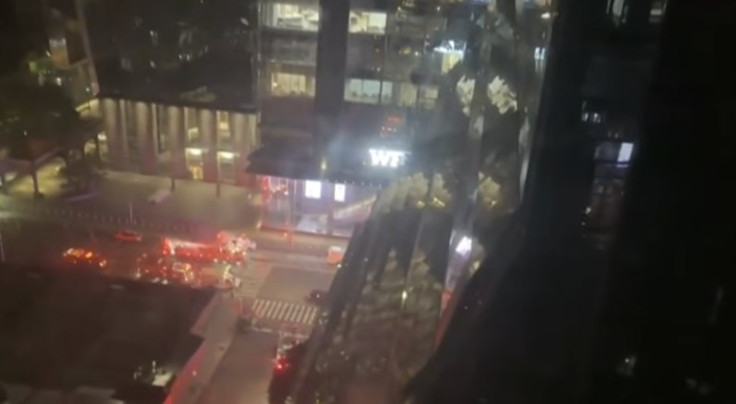
NEW YORK — A fire aboard an Amtrak maintenance vehicle in one of the Hudson River tunnels near New York's Penn Station injured five people and triggered widespread disruptions to rail service Friday morning, affecting tens of thousands of commuters on Amtrak, New Jersey Transit and the Long Island Rail Road.
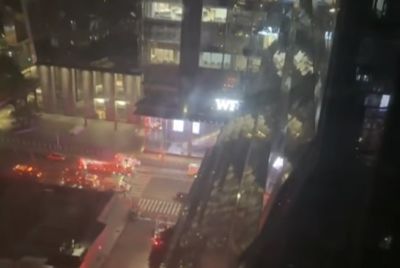
The blaze was reported around 1:30 a.m. on Track 11 at Penn Station, involving an Amtrak contractor maintenance vehicle, authorities said. Firefighters from the New York City Fire Department responded with approximately 100 personnel. The fire was brought under control around 4 a.m. and fully extinguished, FDNY officials confirmed.
New Jersey Transit announced on X that the incident caused "overhead wire damage" in one of the Hudson River tunnels. "Impacts are expected to last through the morning rush hour," the agency posted.
Amtrak stated that service was suspended until at least noon due to maintenance resulting "from a now extinguished fire in the New York area." Lengthy delays were expected for trains traveling north of New York, the agency said.
Two of the five injured individuals were hospitalized. Their conditions were not immediately released. The others were treated at the scene, officials said. The injured are believed to be railroad workers.
Penn Station, located beneath Madison Square Garden in Midtown Manhattan, is one of the busiest transportation hubs in the United States, handling roughly 600,000 passengers daily across multiple rail services. The morning disruptions rippled through the Northeast Corridor, a critical artery for business travelers, tourists and daily commuters between New Jersey, New York and beyond.
NJ Transit suspended rail service between Penn Station New York and Newark Penn Station. Some trains were diverted or originated from alternative stations, creating a chaotic morning for riders. Amtrak canceled or delayed multiple Northeast Regional and Acela services south of New York. Long Island Rail Road trains faced partial suspensions and reroutes, though some service was later restored.
Commuters reported crowded platforms, last-minute changes and heavy reliance on buses, PATH trains and alternative routes. Many turned to ride-sharing services or worked from home as alerts flooded transit apps. Officials urged riders to check real-time updates before heading to stations.
The cause of the fire remains under investigation. Officials have not ruled out electrical issues or mechanical problems with the maintenance vehicle. No immediate link to terrorism or foul play has been suggested.
This incident comes amid ongoing concerns about aging infrastructure in the Northeast's rail network. The Hudson River tunnels, built more than a century ago, are vital but vulnerable chokepoints. Amtrak has long pushed for major repairs and new tunnel construction under the Gateway Program, a multibillion-dollar initiative aimed at modernizing the corridor.
Friday's fire highlighted the region's dependence on limited tunnel capacity. With only a handful of tubes connecting New Jersey to Manhattan, any disruption quickly cascades into major delays.
FDNY crews faced challenging conditions, including heavy smoke and confined spaces typical of tunnel fires. The escalation to a second-alarm response underscored the intensity of the blaze.
Transit advocates and officials used the event to renew calls for infrastructure investment. "Events like this remind us how fragile our system can be," one transportation expert noted in background briefings, though no direct quotes were attributed.
By mid-morning, repair crews were working to restore overhead wires and inspect tracks. Amtrak anticipated gradual resumption of service in the afternoon, but warned of lingering delays into the evening commute.
For context, Penn Station has seen multiple disruptions in recent weeks. Earlier in May, separate track fires and electrical issues caused similar headaches for LIRR and Amtrak riders. A near-strike by LIRR workers had also heightened tensions around reliability just days prior.
The Friday incident affected not only local commuters but also longer-distance travelers. Trains from Philadelphia, Washington and points south faced cancellations or significant holds. Airlines reported a modest uptick in last-minute bookings as some passengers sought alternatives.
Community response included frustration on social media, with hashtags related to the fire trending locally. Union representatives expressed concern for worker safety in tunnel environments.
As the investigation proceeds, Amtrak and partner agencies will review maintenance protocols for work trains operating in sensitive tunnel areas. No timeline for a final report was immediately available.
Penn Station's role as a multimodal hub — serving Amtrak, NJ Transit, LIRR and New York City Subway lines — amplifies the impact of any single event. Daily ridership figures make even short suspensions economically significant for the region.
Officials continue to monitor air quality and structural integrity in the affected tunnel sections. Preliminary assessments suggest the damage was contained to wiring and equipment but could require several hours of intensive repairs.
For riders seeking alternatives, NJ Transit activated bus bridges in some corridors, and PATH service saw increased volume. Grand Central Madison handled some diverted LIRR trains.
The event serves as a stark reminder of the challenges facing America's busiest rail corridor. With summer travel season approaching, reliable service remains a priority for millions.
Authorities have asked anyone with information about the fire to contact investigators. Updates will be provided as service resumes and more details emerge.
© Copyright 2026 IBTimes AU. All rights reserved.
- Recommended For You