Nancy Guthrie Update: 1,000-Year-Old Skeleton Found Near Nancy Guthrie Search Site in Arizona Desert
Discovery highlights the Sonoran Desert's harsh realities and rich history

TUCSON, Ariz. — A YouTuber searching for missing 84-year-old Nancy Guthrie discovered prehistoric human remains less than five miles from her Tucson-area home, authorities and experts confirmed Thursday, highlighting the harsh realities of Arizona's Sonoran Desert where ancient burials and other lost souls frequently surface.
The find, initially sparking online speculation amid the high-profile case, was quickly determined to have no connection to Guthrie's suspected abduction from her Catalina Foothills residence on Feb. 1. University of Arizona anthropologist James T. Watson, who responded to the scene, said the skeleton dates between several hundred and up to 1,000 years old, belonging to a Native American individual from the region's prehistoric past.
A local YouTuber identified as AJ Wysopal came across an exposed bone on May 7 while conducting an amateur search in an ephemeral riverbed near River and Craycroft roads. Police were notified, and a full skeleton was later uncovered at the site. Watson, curator of bioarchaeology at the Arizona State Museum, examined the remains alongside artifacts including ceramics consistent with known archaeological contexts nearby.
"All of that contextual evidence allowed me to be pretty sure that this individual was in fact Native American," Watson said. "The ceramics really sort of drove home that point."
The remains have been transferred to the Tohono O'odham Nation for repatriation, with no further testing planned, officials said. Tucson police emphasized early on that the discovery involved a prehistoric anthropological investigation, not a criminal matter linked to Guthrie.
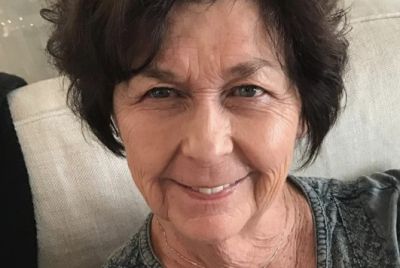
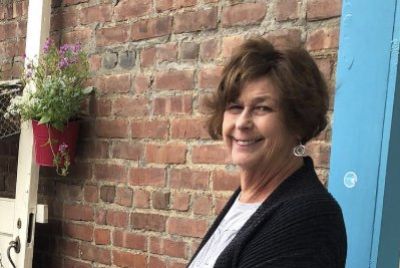
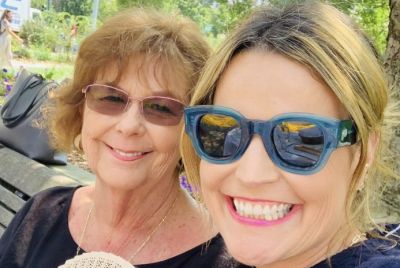
Guthrie, the mother of NBC's "Today" co-host Savannah Guthrie, vanished from her home in the early morning hours of Feb. 1. Authorities treat the case as a suspected kidnapping, with possible abductors previously demanding a $6 million ransom by Feb. 9. A combined reward exceeding $1.2 million remains available for information leading to her whereabouts or recovery. Her family continues to urge tips to the FBI or local hotlines.
The discovery underscores the desert's unforgiving nature and layered history. Watson noted that the Sonoran Desert's terrain, marked by erosion from seasonal flash floods in ephemeral rivers, often exposes long-buried remains. New development on previously untouched land also contributes to such findings.
"The desert there is a pretty harsh environment, and obviously it's been settled for hundreds, thousands of years," Watson told reporters. He added that whether remains are ancient or more recent, "these are human remains" deserving dignity.
Experts estimate dozens of bodies can surface annually in the region through natural exposure or human activity. In addition to archaeological sites, the area near the U.S.-Mexico border sees tragic discoveries of migrants who perish attempting desert crossings. Watson has responded to such cases, noting the vast open spaces where people can become lost, pass away or where remains can be concealed.
"So there [are] a lot of places that an individual could get lost or pass away — or hide a body," he said. "I think...as people start to poke into some of these crevices that don't normally get poked into across the desert, they're likely to find more individuals."
The Guthrie case has drawn intense national attention due to her daughter's prominence. Savannah Guthrie has spoken publicly about the anguish of her mother's disappearance, and the family has coordinated with law enforcement while maintaining a $1 million reward component. As of late May, searches involving cadaver dogs and other resources have continued, though the investigation remains active without public resolution.
Forensic and law enforcement experts have described the desert conditions as particularly challenging, complicating efforts to locate evidence or individuals. Former agents have highlighted "digital blackouts" and other investigative angles in the case, but no arrests have been announced.
The prehistoric remains were found in proximity to a known archaeological site. Watson pointed to ceramic artifacts that aligned with Hohokam cultural traditions, ancestors to modern Native American communities in the Southwest, dating the burial roughly between 650 and 1250 A.D.
Tucson police responded promptly to the YouTuber's report, securing the scene with tape and coordinating with the Pima County Office of the Medical Examiner and university experts. Initial viral videos and social media posts fueled speculation, but authorities moved quickly to clarify the age of the bones.
Watson has stressed respectful handling of any future discoveries during ongoing volunteer or official searches. "Whether it is a thousand years old or 50 years old, these are human remains," he said, urging dignity in treatment.
The incident serves as a cautionary note about amateur involvement in active missing persons cases. While public tips and searches can aid investigations, experts warn they risk disturbing sensitive sites or evidence. In this instance, the find inadvertently illuminated the rich prehistory beneath the desert surface rather than advancing the Guthrie probe.
Guthrie's disappearance has prompted community vigils and flower memorials outside her home. Supporters, including groups like Madres Buscadoras De Sonora, have placed signs in the area calling for her safe return. The case continues to receive coverage as one of the most followed missing persons stories of 2026.
As summer approaches, desert temperatures rise, further hampering physical searches. Investigators encourage anyone with information, regardless of how minor, to contact authorities. Tips can be submitted anonymously to Tucson's 88-Crime hotline or the FBI tip line.
The contrast between ancient remains and a modern mystery has captivated observers, reminding many of the desert's dual role as both preserver of history and keeper of secrets. For the Guthrie family, the focus remains on hope and resolution in their ongoing ordeal.
© Copyright 2026 IBTimes AU. All rights reserved.
- Recommended For You