Buy or Sell Oracle Stock in 2026? Analysts Weigh AI Cloud Surge Against High Valuation Risks
Oracle's cloud and AI advancements fuel stock growth, sparking debate over valuation and future prospects.
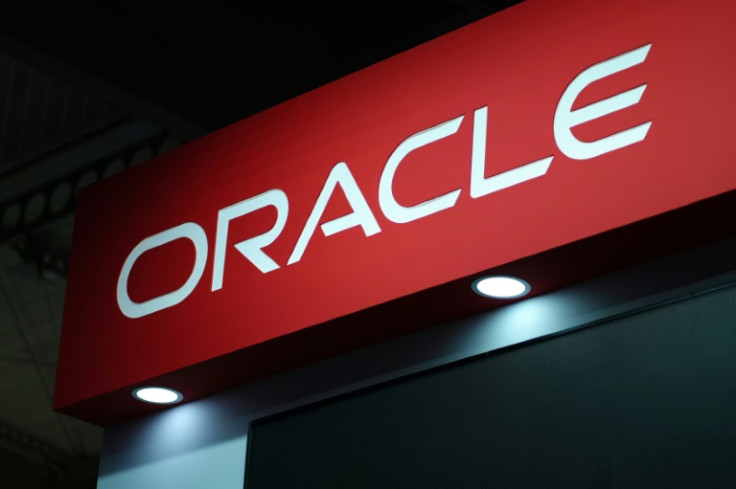
NEW YORK — Oracle Corp. shares have delivered strong gains in 2026, driven by accelerating demand for its cloud infrastructure and artificial intelligence services, leaving investors to debate whether the current premium valuation still justifies buying more shares or if it is time to take profits amid growing competition and elevated expectations.
The database and enterprise software giant has emerged as a major beneficiary of the global AI boom, with its Oracle Cloud Infrastructure (OCI) experiencing rapid adoption by companies seeking high-performance computing resources for large language models and data analytics. As of late May 2026, Oracle stock has risen substantially year-to-date, outperforming broader market indices and reflecting investor confidence in the company's transformation from a traditional software firm to a leading cloud and AI infrastructure provider.
Oracle reported robust fiscal third-quarter 2026 results in March, with cloud revenue growing more than 50 percent year-over-year. Total revenue reached $14.3 billion, while remaining performance obligations — a key indicator of future revenue — hit record levels. The company raised its full-year guidance, citing strong enterprise demand for its multicloud and AI offerings.
Bull Case: AI and Cloud Leadership
Supporters of buying Oracle stock point to its strategic positioning in the AI infrastructure market. The company has formed significant partnerships with major technology players, including a landmark collaboration with OpenAI to provide dedicated cloud capacity for training and inference workloads. Oracle's focus on high-performance, cost-efficient cloud solutions has attracted large enterprises seeking alternatives to dominant hyperscalers.
Analysts highlight Oracle's database dominance as a key competitive advantage. Its Autonomous Database and Exadata Cloud@Customer offerings allow seamless migration of mission-critical workloads to the cloud while maintaining strict security and compliance standards. This "bring your own license" model has proven particularly appealing to large organizations with substantial existing Oracle investments.
Chief Executive Safra Catz has emphasized the company's ability to deliver both growth and profitability. During recent earnings calls, Oracle executives noted strong backlog growth and improving margins in its cloud segment, suggesting the business is reaching an inflection point where investments begin translating into sustained free cash flow expansion.
Valuation Concerns and Bear Case
Critics argue that Oracle's rapid stock appreciation has pushed valuations to levels that leave little margin for error. The stock trades at a forward price-to-earnings multiple significantly above its historical average, reflecting high expectations for continued cloud acceleration. Some analysts caution that any slowdown in AI capital spending or delays in customer migrations could trigger a sharp correction.
Competition remains intense. Microsoft Azure, Amazon Web Services and Google Cloud continue to invest heavily in AI infrastructure, while specialized providers challenge Oracle in specific workloads. The company must also navigate complex geopolitical dynamics, particularly around data sovereignty and export restrictions affecting its international growth.
Oracle's heavy capital expenditure commitments for data center expansion represent another risk factor. While these investments support future growth, they pressure near-term free cash flow and could limit flexibility if economic conditions deteriorate.
Analyst Perspectives
Wall Street remains generally bullish on Oracle, with the majority of covering firms maintaining Buy or Outperform ratings. Average price targets suggest moderate upside from current levels, though some firms have recently trimmed targets citing valuation concerns.
Analysts at firms such as Morgan Stanley and Goldman Sachs have highlighted Oracle's improving competitive position in cloud infrastructure and its ability to win large enterprise deals. However, others recommend a more cautious approach, suggesting investors wait for pullbacks before adding to positions.
The stock offers a modest dividend yield, providing some income support for long-term holders. Oracle has also maintained an active share repurchase program, demonstrating confidence in its intrinsic value.
Strategic Initiatives and Outlook
Oracle continues expanding its cloud regions globally while investing in sovereign cloud solutions to address data residency requirements. The company's acquisition strategy, including key deals in cybersecurity and application software, aims to create a more comprehensive enterprise technology stack.
Looking ahead to the remainder of 2026, investors will watch Oracle's ability to convert strong backlog into recognized revenue and its progress in expanding margins. The company's fiscal fourth-quarter results, expected in June, will provide important signals about the sustainability of its growth trajectory.
Broader industry trends remain supportive. Global enterprise spending on cloud and AI infrastructure is projected to grow significantly through the end of the decade, driven by digital transformation initiatives and generative AI adoption across sectors.
Investment Considerations
For investors considering Oracle stock in 2026, the decision largely depends on time horizon and risk tolerance. Long-term believers in the company's cloud and AI strategy may view current levels as reasonable given growth prospects. Shorter-term traders might prefer waiting for a more attractive entry point following any market volatility.
Diversification remains important. Many portfolio managers recommend pairing Oracle with other technology and software names to balance exposure across the sector. Regular monitoring of quarterly results, customer win announcements and competitive developments is essential.
Oracle's transformation story demonstrates the potential for established technology companies to successfully pivot toward high-growth areas. Its combination of legacy strength in databases and new momentum in cloud and AI creates a compelling long-term narrative, though the stock's elevated valuation requires careful consideration of execution risks.
As the year progresses, Oracle's performance will likely continue reflecting broader sentiment toward artificial intelligence infrastructure spending and enterprise technology investment. Whether the stock represents a buy or sell opportunity ultimately depends on individual assessment of the company's ability to sustain its recent momentum while delivering on ambitious growth targets.
© Copyright 2026 IBTimes AU. All rights reserved.
- Recommended For You