Buy or Sell SanDisk Stock in 2026? Analysts Split on AI-Driven Rally and Valuation Risks
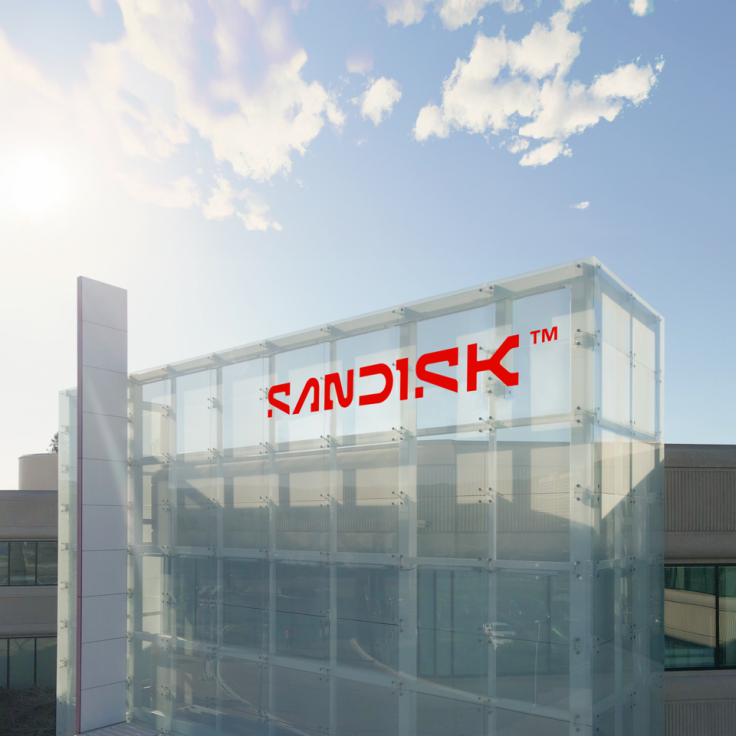
NEW YORK — SanDisk Corporation (NASDAQ: SNDK) has delivered extraordinary returns in 2026, with shares surging over 500 percent year-to-date amid booming demand for NAND flash memory driven by artificial intelligence data centers, leaving investors debating whether the rally has further room to run or if current valuations warrant caution.
The former Western Digital subsidiary, which became an independent publicly traded company following its spin-off in February 2025, has benefited enormously from the global AI infrastructure buildout. Strong multi-year supply agreements and favorable NAND market dynamics have propelled the company's financial performance and stock price to new heights.
SanDisk reported robust fiscal third-quarter 2026 results in late April, with revenue significantly exceeding expectations and earnings showing dramatic year-over-year improvement. The company has secured long-term contracts guaranteeing substantial revenue through 2031, providing greater visibility and stability in the traditionally cyclical memory industry.
Strong AI Tailwinds Support Bull Case
Analysts bullish on SanDisk point to structural demand growth for high-capacity NAND used in AI servers, enterprise storage and consumer electronics. Barclays recently doubled its price target to $2,300 from $1,200, citing innovative multi-year contracts that guarantee at least $42 billion in revenue through 2031, backed by $11 billion in safeguards. These deals provide supply certainty for customers and steady revenue streams for SanDisk.
The company's focus on high-performance SSDs and enterprise solutions has positioned it well as data centers expand to support large language models and generative AI applications. Analysts project continued strong earnings growth, with some forecasting EPS could reach triple digits in coming years if current trends persist.
SanDisk's rebranding efforts and product innovation, including new Optimus and Optimus GX lines, have helped maintain momentum. The stock's inclusion in major indices and strong institutional interest have further supported its upward trajectory.
Valuation Concerns Temper Enthusiasm
Despite the impressive performance, some analysts recommend a more measured approach. SanDisk trades at elevated multiples compared to historical memory sector averages, reflecting high expectations for sustained growth. A recent analysis suggested the stock could face downside risk if NAND pricing weakens or if AI capital expenditure slows.
Western Digital's ongoing sale of its remaining stake in SanDisk, announced earlier in 2026, has added some selling pressure at times but has not derailed the overall bullish sentiment. The parent company's decision to monetize its position was viewed as a positive step for balance sheet management rather than a lack of confidence in SanDisk's prospects.
Market Context and Competitive Position
SanDisk operates in a NAND flash market that has tightened considerably due to AI-driven demand. The company competes with Samsung, Micron, SK Hynix and others, but has carved out a strong position in enterprise and high-end consumer segments.
Global semiconductor industry forecasts remain robust, with memory demand expected to grow significantly through the end of the decade. However, the sector's cyclical nature means periods of oversupply can emerge quickly if new manufacturing capacity comes online faster than expected.
Geopolitical factors, including U.S.-China technology tensions, represent additional variables that could impact supply chains and pricing dynamics. SanDisk has worked to diversify its manufacturing footprint to mitigate these risks.
Analyst Consensus
Wall Street coverage of SanDisk is generally positive but shows a wider range of opinions than more mature technology names. The consensus leans toward Buy, with average price targets implying moderate upside from current levels, though some firms have Hold ratings citing valuation.
Recent upgrades have focused on the company's contract wins and margin expansion potential. However, a minority view suggests the stock's rapid appreciation has already priced in much of the near-term optimism.
Investment Considerations for 2026
Investors considering SanDisk stock face a classic growth-versus-valuation decision. The bull case rests on continued AI infrastructure spending and SanDisk's ability to maintain strong pricing and market share. The bear case centers on potential cyclical downturns in memory pricing and execution risks in a highly competitive industry.
For long-term investors comfortable with volatility, SanDisk offers exposure to a critical component of the AI megatrend. Shorter-term traders may prefer waiting for pullbacks before establishing positions. Diversification across the semiconductor sector is advisable given the inherent cyclicality of memory stocks.
The company's strong balance sheet and focus on high-value enterprise solutions provide some downside protection compared to pure commodity memory plays. However, investors should monitor quarterly results closely for any signs of softening demand or margin pressure.
As 2026 progresses, key catalysts will include additional contract announcements, production ramp updates and broader AI spending trends. SanDisk's performance will likely remain closely tied to the overall health of the artificial intelligence investment cycle.
The remarkable turnaround and growth story since its spin-off demonstrate the potential rewards in the memory sector during periods of strong secular demand. Whether SanDisk represents a buy or sell opportunity in 2026 ultimately depends on individual risk tolerance and conviction in the sustainability of current AI-driven tailwinds.
© Copyright 2026 IBTimes AU. All rights reserved.
- Recommended For You