SanDisk Stock 2026: Buy the AI Storage Leader or Sell After Explosive 492% YTD Run?
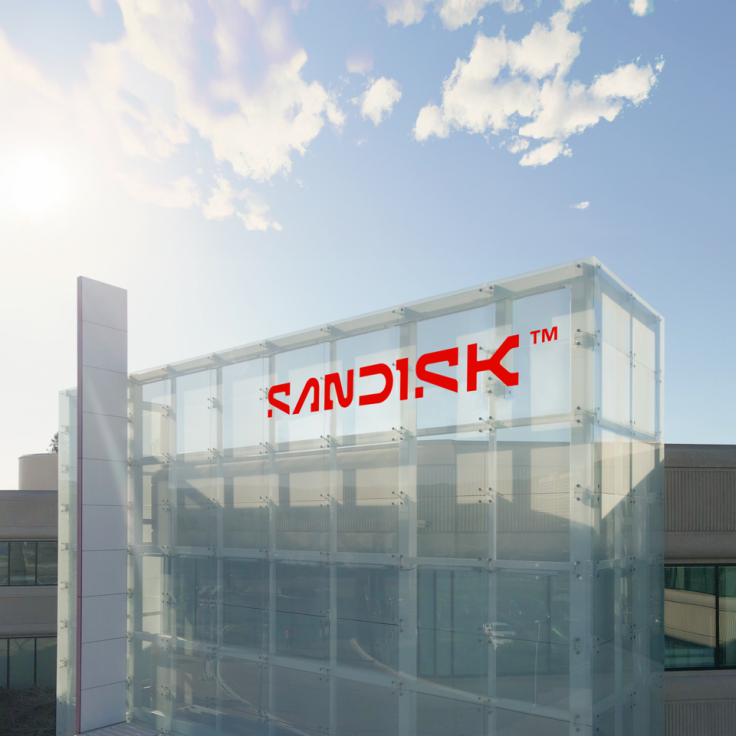
NEW YORK — SanDisk Corporation (NASDAQ: SNDK), the pure-play NAND flash and solid-state storage company that spun off from Western Digital in early 2025, has delivered one of the most extraordinary rallies of 2026, surging roughly 492% year-to-date and pushing its market capitalization above $200 billion. The explosive gains are fueled by insatiable demand for high-capacity storage in artificial intelligence data centers, but investors now face a critical question: Is SanDisk still a buy, or has the rally gone too far?
The former SanDisk brand, long iconic in consumer flash memory, has transformed into a major enterprise player. Its shares have skyrocketed on the back of record NAND pricing, sold-out production capacity, and hyperscaler orders for AI infrastructure. Yet with the stock trading at elevated multiples after such a meteoric rise, analysts are split on whether fresh upside remains or if profit-taking is warranted.
AI-driven demand supercharges results
SanDisk reported blockbuster fiscal third-quarter results in late April, with profits jumping sharply on robust enterprise spending. The company joined Western Digital and Seagate in signaling that AI storage demand remains exceptionally strong, with NAND flash contract prices projected to rise significantly into 2026. Hyperscalers are scrambling to secure capacity for massive "data lakes" required for training and inference workloads.
CEO commentary highlighted sold-out production through much of 2026, with particular strength in high-performance SSDs and enterprise solutions. The company's focus on leading-edge NAND technology has positioned it as a key beneficiary of the AI buildout, where storage has emerged as a critical bottleneck alongside GPUs and high-bandwidth memory.
Valuation concerns mount
Despite the strong fundamentals, SanDisk trades at premium multiples following its run. Some models suggest the stock is now pricing in aggressive growth assumptions, leaving limited margin of safety if AI spending moderates or supply constraints ease. Recent share swaps with Western Digital have also drawn attention, with WDC exchanging SNDK shares for its own stock in strategic moves.
Analyst consensus remains generally bullish, with many maintaining Buy ratings and raising price targets on continued AI tailwinds. However, some voices caution that memory stocks are notoriously cyclical, and the current boom could face headwinds if hyperscaler capex slows or new supply comes online.
Bull case: Structural AI supercycle
Proponents argue SanDisk sits at the heart of a multi-year secular shift. AI models require vast amounts of fast, reliable storage for both training datasets and inference serving. NAND flash, particularly high-density enterprise drives, is essential infrastructure. With production capacity constrained and demand accelerating, analysts forecast sustained pricing power and margin expansion through 2027 and beyond.
Longer-term forecasts are optimistic. Some models project significant upside if SanDisk executes on technology roadmaps and maintains its competitive edge in 3D NAND scaling. The company's independence post-spin-off has allowed sharper focus on flash memory, unencumbered by Western Digital's HDD business.
Bear case: Cyclical risks and valuation
Skeptics point to historical memory cycles, where booms are followed by sharp corrections as new fabs ramp and supply catches up. SanDisk's rapid rise leaves it vulnerable to any disappointment in AI spending forecasts or broader economic slowdowns. At current levels, the stock offers little cushion against downside surprises.
Profit-taking after such dramatic gains is another concern. Shares have pulled back on strong earnings reports in "sell-the-news" reactions, reflecting heightened investor sensitivity. Ongoing equity exchanges with Western Digital also introduce potential selling pressure.
Investment considerations for 2026
For growth-oriented investors, SanDisk offers exposure to one of the clearest AI infrastructure themes. Strong balance sheet, technological leadership, and secular tailwinds support a constructive outlook, provided the company continues executing. Dividend potential and possible special returns to shareholders add appeal for income-focused portfolios.
Value investors may prefer waiting for a pullback or clearer evidence that current pricing power is sustainable. Diversification across the memory sector (including peers like Micron) can mitigate single-stock risk in this volatile industry.
Bottom line: Selective buying opportunity
SanDisk's 2026 performance has been nothing short of historic, driven by genuine fundamental strength in AI storage. While the stock is no longer "cheap," the structural demand outlook suggests further upside for patient investors who believe in the multi-year AI buildout. Near-term volatility remains high, and position sizing is critical.
Whether to buy, hold, or sell depends on individual risk tolerance, time horizon, and conviction in the AI investment cycle. For those bullish on technology infrastructure spending, SanDisk remains a compelling name — but one that demands close monitoring as the memory supercycle evolves. Always consult a financial advisor and conduct thorough due diligence before making investment decisions.
As of mid-May 2026, the consensus leans toward continued strength, but the memory market's cyclical nature means fortunes can shift rapidly. SanDisk has already delivered life-changing returns for early believers — the question now is whether the best is yet to come.
© Copyright 2026 IBTimes AU. All rights reserved.
- Recommended For You