NVIDIA Stock Plunges 4.4% as AI Demand Fears Trigger Sharp Sell-Off in Tech Giant
NVIDIA's stock drops sharply as investors reassess AI spending and market valuations.
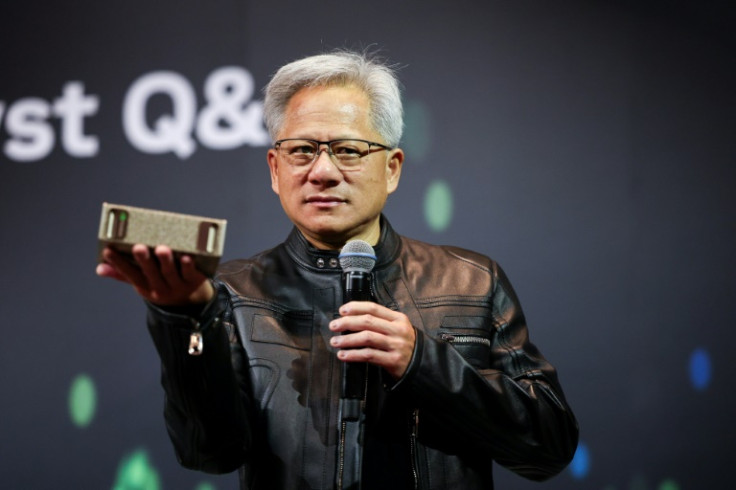
NEW YORK — NVIDIA Corp. shares tumbled more than 4 percent on Friday, closing at $225.32 after shedding $10.42, as investors grew increasingly nervous about potential slowdowns in artificial intelligence spending, high valuations and broader market rotation away from mega-cap technology stocks.
The decline marked one of the semiconductor leader's steeper single-day drops in 2026, wiping out roughly $250 billion in market value and raising fresh questions about whether the long-running AI boom is beginning to show signs of fatigue. After-hours trading pushed the stock even lower to $224.41, extending losses to 0.40 percent.
NVIDIA, whose graphics processing units power much of the world's AI infrastructure, has been a standout performer for years, but Friday's sell-off highlighted growing sensitivity to any hint of softening demand from major cloud providers and enterprise customers. Analysts pointed to a combination of factors including recent comments from Big Tech executives about moderating AI capital expenditure, seasonal slowdown patterns, and profit-taking after a strong run earlier in the year.
"NVIDIA remains the undisputed leader in AI hardware, but the market is clearly taking a pause to reassess valuations and growth sustainability," said Dan Ives, managing director at Wedbush Securities. "This is healthy consolidation rather than a fundamental shift, but it does show how quickly sentiment can turn in this space."
What Drove the Sharp Decline
The sell-off accelerated in the afternoon after several reports suggested some hyperscale customers were reassessing the pace of their AI server deployments for the second half of 2026. While NVIDIA has consistently beaten earnings expectations and raised guidance multiple times, investors appeared to price in the possibility of a more measured growth trajectory going forward.
Broader market dynamics also played a role. The Nasdaq Composite and other technology-heavy indices came under pressure as money rotated into sectors that had lagged during the multi-year AI rally. Treasury yields ticked higher on renewed inflation concerns, adding pressure to high-growth stocks like NVIDIA that trade at premium multiples.
Despite the drop, NVIDIA shares remain up significantly year-to-date, reflecting the company's dominant position in the AI supply chain. The stock has benefited enormously from surging demand for its Blackwell and Hopper architectures, with data center revenue continuing to grow at triple-digit percentages in recent quarters.
CEO Jensen Huang's Vision Remains Bullish
NVIDIA founder and CEO Jensen Huang has repeatedly expressed confidence in the long-term AI opportunity, calling it a "once-in-a-century platform shift." In recent appearances, Huang emphasized that demand for AI infrastructure remains "insatiable" and that the company's next-generation platforms will continue driving explosive growth.
However, Wall Street has grown more attuned to any signals of potential moderation. During the most recent earnings call, management noted strong but not unlimited demand, comments that some investors interpreted as a cautious tone. Friday's trading appeared to reflect those concerns being priced in more aggressively.
Analysts remain overwhelmingly bullish on NVIDIA's fundamentals. The consensus price target sits well above current levels, with most firms maintaining Buy ratings. Goldman Sachs, Morgan Stanley and JPMorgan have all highlighted the company's unmatched competitive moat in accelerated computing and its expanding software ecosystem as reasons for long-term optimism.
Impact on Broader Tech and AI Sector
NVIDIA's decline weighed on the wider semiconductor and technology sectors. Peers such as AMD, Broadcom and TSMC also traded lower, though losses were generally more modest. The sell-off rippled through the AI supply chain, with companies involved in data center construction, memory chips and networking equipment seeing sympathetic moves.
The move also highlighted the concentrated nature of the current bull market, where a handful of mega-cap names have driven much of the gains. Rotation into small-caps, financials and other sectors has been a recurring theme in recent weeks, creating volatility for AI leaders.
Despite the pullback, institutional investors largely viewed the decline as a buying opportunity. Several large funds added to positions on the dip, citing NVIDIA's critical role in enterprise AI adoption and its growing presence in automotive, robotics and sovereign AI projects.
Valuation Concerns Take Center Stage
At current levels, NVIDIA trades at a forward price-to-earnings multiple that remains elevated compared to historical standards, though it has compressed from peak levels. Bulls argue the premium is justified by exceptional growth rates and expanding margins, while bears warn that any meaningful deceleration in AI spending could lead to multiple compression.
The company's enormous market capitalization — still above $5 trillion even after Friday's drop — means even modest percentage moves translate into massive absolute value changes. This dynamic has made NVIDIA a focal point for market sentiment and a bellwether for the health of the AI trade.
What Comes Next for NVIDIA
Looking ahead, all eyes turn to NVIDIA's next earnings report and the ongoing ramp of its Blackwell platform. Management has guided for continued strong growth, but investors will be scrutinizing commentary around customer demand patterns and competitive dynamics.
New product launches, including upcoming consumer and enterprise AI offerings, could provide fresh catalysts. The company's expanding CUDA software ecosystem and full-stack AI solutions also position it to capture more value beyond pure hardware sales.
Longer-term, NVIDIA's leadership in generative AI infrastructure appears secure, with few credible challengers capable of matching its performance and ecosystem advantages in the near term. However, sustained high expectations mean the stock remains vulnerable to any perceived softening in the AI narrative.
Broader Market Context
Friday's NVIDIA move occurred against a backdrop of mixed market signals. While major indices hovered near record highs, underlying breadth has narrowed and volatility has increased. The Federal Reserve's path on interest rates and ongoing geopolitical developments continue to influence risk appetite across asset classes.
For individual investors, the pullback serves as a reminder of the importance of diversification and maintaining a long-term perspective on high-growth technology names. While volatility is inevitable, NVIDIA's fundamental strengths in one of the most transformative technologies of the era continue to support a constructive outlook for patient investors.
As markets digest Friday's decline, attention turns to whether this represents a healthy correction within a broader uptrend or the start of a more meaningful consolidation phase. For now, most analysts see the former, with NVIDIA's dominant competitive position and massive addressable market in AI keeping the long-term thesis intact.
The coming weeks will provide more clarity as earnings season progresses and new data on AI adoption trends emerges. For NVIDIA shareholders, the message remains one of confidence tempered by realism about valuation and growth sustainability in an increasingly scrutinized sector.
© Copyright 2026 IBTimes AU. All rights reserved.
- Recommended For You