Trump Blasts Iran Over Nuclear Deal Failure in Fiery Truth Social Post
WASHINGTON — Former President Donald Trump sharply criticized Iran on Wednesday, April 29, 2026, posting on Truth Social that the country "can't get their act together" and warning Tehran to "get smart soon" on signing a non-nuclear deal, as tensions in the Middle East continue to disrupt global oil markets and shipping routes.

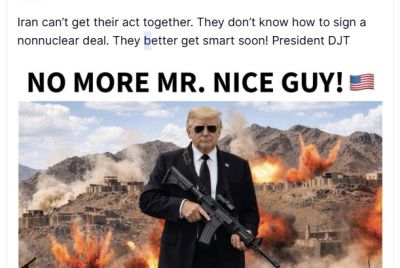
The post, which quickly garnered tens of thousands of likes and reposts, read in full: "Iran can't get their act together. They don't know how to sign a nonnuclear deal. They better get smart soon! President DJT." It came amid ongoing diplomatic stalemates following the Iran conflict that has severely restricted traffic through the Strait of Hormuz and driven oil prices above $100 per barrel.
Trump's message reflects his long-standing hardline stance toward Iran, which he frequently contrasts with the Biden administration's previous approach. During his first term, Trump withdrew the United States from the 2015 Joint Comprehensive Plan of Action (JCPOA), commonly known as the Iran nuclear deal, and reimposed sweeping sanctions. His latest comments suggest he views current negotiations — whether under the current administration or future talks — as ineffective and in need of stronger pressure.
The timing of the post is notable. With the Strait of Hormuz largely restricted for commercial shipping and global energy markets volatile, Trump's intervention adds to the political rhetoric surrounding U.S. foreign policy in the region. Analysts note that any potential deal would require complex negotiations involving multiple international parties, including European nations and regional Gulf states.
Trump has positioned himself as a dealmaker who can achieve results where others have failed. In his post, he implied that Iran's leadership lacks the capability or willingness to reach an agreement that would ease sanctions and normalize its position in global energy markets. His use of the phrase "President DJT" at the end reinforces his continued self-identification with the office despite no longer holding it.
The message quickly spread across conservative media and social platforms. Supporters praised Trump for maintaining pressure on Iran and highlighting what they see as weaknesses in current U.S. diplomacy. Critics, including some foreign policy experts, argued that such public statements could complicate sensitive negotiations and escalate tensions rather than resolve them.
The Iran nuclear issue remains one of the most complex challenges in international relations. The original JCPOA aimed to limit Iran's nuclear program in exchange for sanctions relief. After the U.S. withdrawal in 2018, Iran gradually rolled back its commitments, enriching uranium to higher levels and restricting international inspectors. Recent talks have focused on reviving some form of agreement, but progress has been slow amid mutual distrust and regional conflicts.
Trump's post comes as the UAE announced its exit from OPEC, further complicating Gulf dynamics. The departure of a major producer has added uncertainty to oil markets already strained by Hormuz restrictions. Energy analysts say any diplomatic breakthrough on the nuclear front could help stabilize shipping and production in the region.
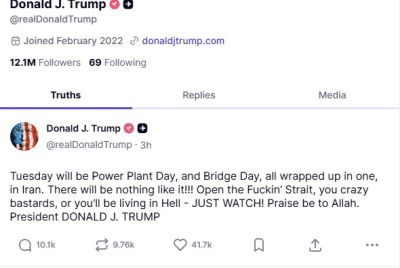
The former president has used Truth Social as his primary platform for commentary since being banned from Twitter (now X) in earlier years. His posts often set the tone for Republican foreign policy discussions and influence conservative media narratives. This latest message fits a pattern of Trump weighing in on international crises with blunt language and personal branding.
Foreign policy experts offer mixed assessments of Trump's approach. Some argue his maximum pressure campaign in the first term successfully brought Iran to the negotiating table, while others contend it isolated the U.S. and allowed Iran to advance its nuclear program. The current situation, with ongoing regional conflict and disrupted energy flows, adds new layers of complexity to any potential deal.
For markets, Trump's comments contributed to volatility in oil futures. Brent crude remained elevated as traders weighed diplomatic risks against physical supply constraints. Shipping companies continue to avoid the strait or pay exorbitant insurance premiums, rerouting around Africa and adding significant costs and delays to global trade.
The White House has not directly responded to Trump's post. Current administration officials have emphasized multilateral diplomacy and coordination with allies in addressing the Iran issue. However, with midterms approaching, foreign policy remains a potent political issue, and Trump's voice carries significant weight within his party.
Iranian officials have not publicly reacted to the specific post, but state media has consistently portrayed U.S. pressure as aggressive and ineffective. Tehran maintains that its nuclear program is for peaceful purposes and that sanctions are the primary obstacle to any agreement.
The broader context includes humanitarian concerns in Iran, where economic pressures have affected ordinary citizens. Any new deal would need to balance non-proliferation goals with sanctions relief that could ease domestic hardships. Regional players, including Israel and Gulf states, also have strong views on any potential agreement.
As the situation evolves, Trump's intervention ensures the Iran nuclear issue remains in the spotlight. His post, while brief, encapsulates a hardline position that resonates with many in his political base and could shape future policy debates if Republicans gain influence in upcoming elections.
For now, the former president's words add another layer to an already complex international challenge. Whether they help or hinder diplomatic efforts remains to be seen, but they ensure that Iran's nuclear ambitions and the broader Middle East situation stay at the forefront of American political discourse.
© Copyright 2026 IBTimes AU. All rights reserved.
- Recommended For You