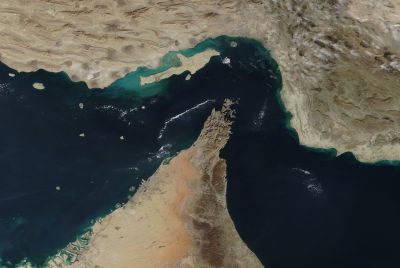
(VIDEO) US and Israel Launch Strikes on Iran: Explosions in Tehran as Trump Announces Major Combat Operations
The United States and Israel launched coordinated military strikes on Iran early Saturday, targeting key leadership, military facilities and nuclear sites in a dramatic escalation that President Donald Trump described as the start of "major combat operations" aimed at dismantling Tehran's regime and eliminating its nuclear capabilities.
Explosions rocked downtown Tehran and other regions across Iran, with smoke rising from multiple sites, according to witnesses and state media reports. Iranian forces responded with ballistic missile barrages targeting northern Israel and U.S. military bases in Gulf Arab states, prompting air raid sirens and reports of shrapnel injuries in the United Arab Emirates.
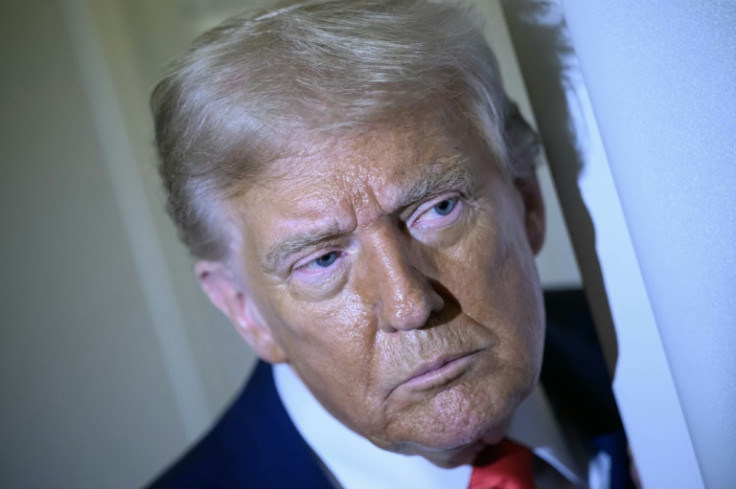
Trump, in a video message posted to social media shortly after the strikes began, vowed to use "overwhelming strength and devastating force" to destroy Iran's ballistic missile program and ensure it cannot develop nuclear weapons. "The hour of your freedom is at hand," he urged Iranians, calling for them to overthrow their government. Israeli Prime Minister Benjamin Netanyahu echoed the sentiment, stating the joint operation seeks to "remove the existential threat posed by the terrorist regime in Iran."
The attacks mark the most significant direct confrontation between the U.S., Israel and Iran since a 12-day air war in June 2025, and follow weeks of stalled negotiations over Iran's nuclear program. U.S. officials described the operation as pre-emptive, citing intelligence of imminent Iranian threats. A senior administration official, speaking on condition of anonymity, told reporters that Israel focused on assassinating top leaders, including Supreme Leader Ali Khamenei and President Masoud Pezeshkian, while U.S. forces struck missile silos and nuclear facilities.
Iran's state-run IRNA news agency reported strikes on an elementary school, claiming at least five civilian deaths, though independent verification was not immediately available. Iranian military spokesman Amir Hatami condemned the assault as "barbaric aggression" and promised a forceful response. Retaliatory missiles targeted Tel Aviv and other Israeli cities, with one man in his 50s lightly injured from shrapnel in northern Israel, according to Magen David Adom medics.
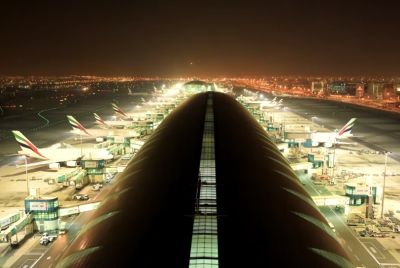
The strikes extended to Gulf allies. Explosions were reported near Abu Dhabi's main airport in the UAE, with authorities confirming one fatality from falling debris. The UAE reserved its right to respond, labeling the Iranian actions an "escalation." Similar blasts occurred in Bahrain, Qatar, Kuwait and Saudi Arabia's Riyadh, raising fears of a broader regional war.
Airspaces over Israel and Iran were closed, and major airlines, including IndiGo, suspended flights to and from the Middle East. The former Iranian crown prince, in exile, signaled plans for street protests, calling it a "moment of destiny."
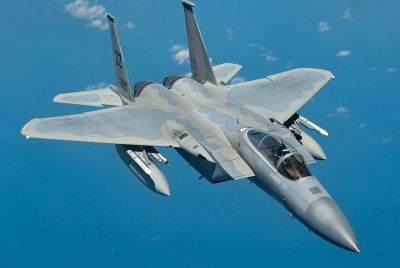
The operation involved over 500 aircraft, including U.S. carrier groups and unprecedented fuel capacities for deep strikes, representing the largest non-war military deployment in recent history. Israeli Defense Minister Israel Katz confirmed the pre-emptive nature, stating it was designed to neutralize threats to Israel.
U.S. officials expect the strikes to be more extensive than last year's limited American action, which hit three sites. A U.S. source described it as "not a small strike," with ongoing waves anticipated. Trump framed the campaign as essential to U.S. national security, accusing Iran's "radical dictatorship" of endangering America.
Background tensions trace to Iran's nuclear ambitions and support for proxy groups like Hezbollah and Hamas, which have clashed with Israel. Recent events include Iran's suppression of domestic protests, with reports of 20,000 civilians killed, prompting international condemnation. Failed diplomacy in early 2026 heightened warnings from Washington and Jerusalem.
International reactions poured in swiftly. The United Nations Security Council scheduled an emergency meeting, with Secretary-General Antonio Guterres urging restraint. Russia and China, Iran's allies, denounced the strikes as "illegal aggression," while European leaders expressed concern over regional stability.
In the U.S., congressional leaders were briefed, with bipartisan support emerging for the action amid partisan divides on Middle East policy. House Speaker Mike Johnson called it a "necessary step," while Senate Minority Leader Chuck Schumer urged caution to avoid wider conflict.
Oil prices surged 15% in early trading, reflecting fears of disrupted Gulf supplies. Stock markets in Asia and Europe opened lower, with defense stocks rising.
Humanitarian groups warned of civilian risks. Amnesty International called for protections, noting Iran's densely populated urban targets. The International Committee of the Red Cross prepared for potential mass casualties.
Social media buzzed with unverified videos of explosions and missile intercepts. On X, users debated the strikes' justification, with some praising the move against Iran's regime and others decrying it as warmongering. One post highlighted Western "compromise" by Israel, questioning involvement in another war.
Analysts predict prolonged engagement. "This could spiral into a full-scale war," said Middle East expert Aaron David Miller of the Carnegie Endowment. "Regime change ambitions raise the stakes enormously."
Iran's Islamic Revolutionary Guard Corps (IRGC) vowed to defend the homeland, with commanders mobilizing reserves. Reports indicated drone swarms and missile launches toward U.S. assets in Iraq and Syria.
As operations continue, global attention focuses on Tehran, where power outages and communication disruptions were reported. The strikes' full scope remains unclear, but they signal a pivotal shift in the Middle East's volatile landscape.
Trump administration officials plan a White House briefing later Saturday. Netanyahu addressed Israelis in a televised speech, urging unity.
The conflict's roots lie in decades of enmity, but Saturday's actions thrust the region into uncharted territory, with potential ramifications for global security, energy markets and international alliances.
© Copyright 2026 IBTimes AU. All rights reserved.
- MOST POPULAR IN Politics & Policy