Iran Halts US Negotiations, Vows Full Blockade of Strait of Hormuz in Escalating Conflict
Iran's decision to halt negotiations and threaten the Strait of Hormuz closure marks a significant escalation in Middle East tensions.

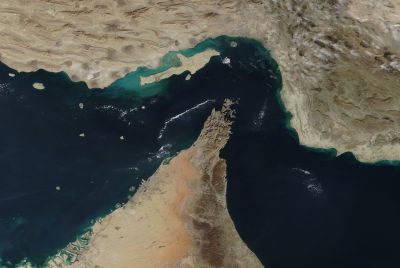
DUBAI, United Arab Emirates — Iran announced Monday it would immediately halt indirect negotiations with the United States and move to completely close the Strait of Hormuz, a critical global energy chokepoint, in retaliation for what it described as repeated ceasefire violations by the US and Israel.
The announcement, reported by state-affiliated news outlet Tasnim, marks a sharp escalation in a conflict now entering its fourth month. It comes despite recent diplomatic efforts to extend a fragile truce and reopen the vital waterway through which about one-fifth of global oil and natural gas supplies once flowed.
"No dialogue will take place" until Israel fully withdraws from occupied areas in Lebanon and ceases attacks in both Lebanon and Gaza, Tasnim reported. Iranian Foreign Minister Abbas Araghchi reinforced this position on X, stating that any violation on one front constitutes a violation on all fronts.
"The ceasefire between Iran and the US is unequivocally a ceasefire on all fronts, including in Lebanon," Araghchi wrote. "Its violation on one front is a violation of the ceasefire on all fronts. The US and Israel are responsible for the consequences of any violation."
Oil prices surged more than 7 percent immediately following the reports, reflecting fears of prolonged disruption to energy supplies from the Persian Gulf. Brent and WTI crude futures, which had retreated in recent weeks amid optimism about a potential deal, reversed course as traders reassessed the risk of extended blockade.
Ceasefire Repeatedly Tested
The US and Israel launched military strikes against Iran on February 28, targeting nuclear facilities and military sites. President Donald Trump has described shifting objectives for the campaign, with preventing Iran from acquiring nuclear weapons remaining a core goal. Iran has insisted its nuclear program is peaceful, although it possesses enough highly enriched uranium to build several weapons if it chose to do so.
A nominal ceasefire has been in place but has been repeatedly violated through tit-for-tat attacks. Over the weekend, the US conducted strikes on Iranian radar and drone sites after Tehran downed an American MQ-1 drone. Iran responded with its own attacks, including actions that prompted Kuwait to report incoming fire from drones and missiles.
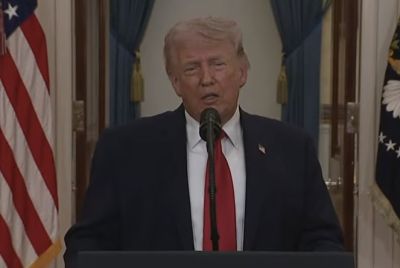
The latest developments signal a breakdown in efforts to reach a diplomatic resolution. Trump met with advisers last week but has yet to make a final decision on extending the ceasefire. In a Truth Social post early Monday, he expressed continued optimism. "Iran really wants to make a deal, and it will be a good one for the U.S.A. and those that are with us," Trump wrote. "Just sit back and relax, it will all work out well in the end — It always does!"
Vice President JD Vance had suggested negotiators were working toward general terms on Iran's nuclear program, with specifics to be addressed later. However, the recent military exchanges have eroded trust on both sides.
Regional and Global Implications
Iran's threat to fully block the Strait of Hormuz carries significant economic consequences. The narrow waterway between the Persian Gulf and the Gulf of Oman is a critical artery for global energy trade. Even partial disruptions have already reduced oil exports from pre-war levels, driving up prices and contributing to inflationary pressures worldwide.
The Gulf region also accounts for 30 percent of globally traded chemical fertilizers. Prolonged closure could exacerbate food security concerns in import-dependent nations. Shipping companies have rerouted vessels, adding costs and delays to global supply chains.
Fighting has also intensified between Israel and Hezbollah in Lebanon. Despite a nominal ceasefire, Israel has extended its occupation deeper into Lebanese territory. Hezbollah, backed by Iran, continues launching drones toward Israel. Iranian officials have framed these actions as interconnected, vowing to activate additional fronts including the Bab el-Mandeb Strait if necessary.
Kuwait, home to U.S. Army Central headquarters, reported its air defenses engaging incoming threats early Monday. The incident highlights how the broader conflict is affecting neighboring states and US military assets in the region.
Diplomatic and Humanitarian Concerns
International actors have urged restraint as military actions continue alongside diplomatic efforts. European nations and Gulf states have called for renewed talks, warning that further escalation could destabilize the entire Middle East. The United Nations and other multilateral organizations continue monitoring the situation closely.
Humanitarian impacts are mounting. Disruptions to energy supplies disproportionately affect developing economies, while civilian populations in affected areas face ongoing risks from military operations. Aid organizations have expressed concern about secondary effects, including higher food and fuel costs.
For global markets, the uncertainty has introduced volatility. Energy futures reacted sharply to the news, while shipping and insurance costs for vessels operating in the region have increased. Investors are closely watching for any signs of diplomatic progress that could ease tensions and restore energy flows.
Strategic Calculations on Both Sides
Iran's decision to halt talks and threaten full closure of the strait appears designed to increase pressure on the US and Israel. By linking the Hormuz blockade to Israeli actions in Lebanon, Tehran aims to broaden the conflict's scope and force concessions across multiple fronts.
The US maintains a significant military presence in the region through bases in Kuwait, Qatar and other partners. Protecting maritime navigation and deterring further Iranian aggression remain key priorities. However, prolonged conflict carries economic and political costs that the Trump administration appears eager to mitigate through negotiation.
The situation remains fluid, with military actions and diplomatic maneuvering occurring simultaneously. Each new incident risks derailing progress, yet both sides continue signaling interest in eventual de-escalation. The coming days may determine whether the latest threats lead to further confrontation or create new incentives for compromise.
For now, the world watches as Iran's actions in the Strait of Hormuz threaten to reshape global energy dynamics while diplomatic channels struggle to contain a conflict that has already disrupted trade, raised prices and heightened regional tensions. The stakes remain high for all parties involved, with far-reaching consequences for international stability and economic security.
© Copyright 2026 IBTimes AU. All rights reserved.
- Recommended For You