US Blockade of Iranian Ports Takes Effect as Trump Warns of 'Brutal' Strikes Amid Failed Talks
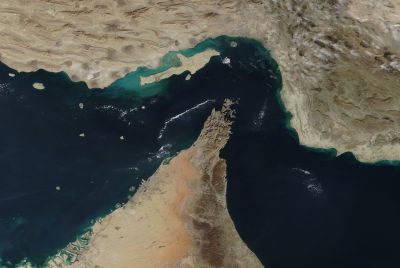
WASHINGTON — The United States imposed a naval blockade on all Iranian ports and coastal areas Monday, escalating a high-stakes confrontation in the Strait of Hormuz after marathon peace talks with Iran collapsed without agreement, sending oil prices surging and raising fears of broader conflict in the Middle East.
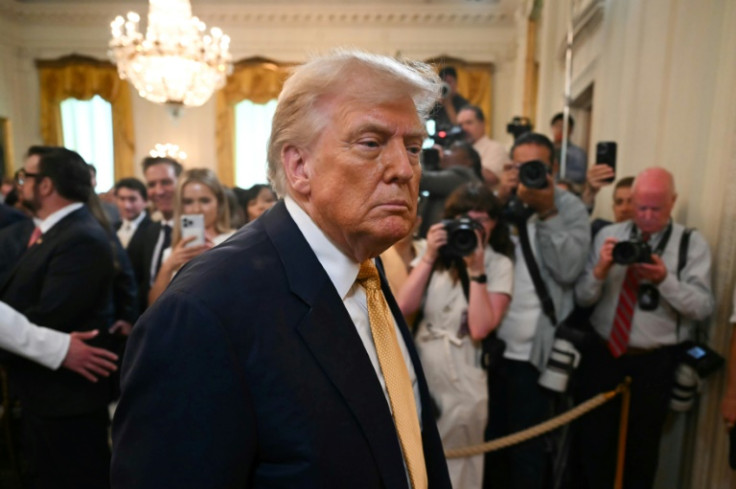
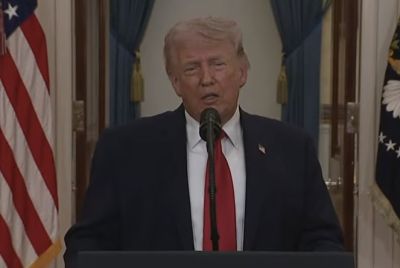
President Donald Trump confirmed the military operation began at 10 a.m. EDT, describing it as necessary to counter what he called Iran's "economic terrorism" and refusal to reopen the critical waterway. The move targets vessels entering or leaving Iranian facilities while aiming to preserve neutral shipping through the strait, through which about one-fifth of global oil supply normally flows.
Trump issued a stark warning on social media shortly after the blockade started: Iranian warships approaching U.S. forces "anywhere close" would be "eliminated" in a "quick and brutal" strike. Hours later, however, he signaled openness to further dialogue, saying he had spoken to "the other side" and that Tehran appeared eager for a deal.
The blockade follows weekend negotiations in Islamabad, Pakistan, led by Vice President JD Vance. The talks, which stretched more than 20 hours, ended in deadlock over core issues including Iran's nuclear program, control of the Strait of Hormuz, sanctions relief and regional security guarantees. Both sides blamed the other for the impasse.
Tensions Boil Over After Ceasefire
The current escalation comes amid a fragile two-week ceasefire in the broader U.S.-Iran conflict, now in its seventh week. Iran had restricted shipping in the strait in response to earlier U.S. and Israeli strikes, effectively weaponizing the chokepoint. The U.S. action is designed to pressure Tehran back to the table on American terms.
Iran responded defiantly, with military officials calling the blockade an "act of piracy" and warning that ports in the Persian Gulf and Gulf of Oman are "either for everyone or for no one." Tehran has threatened retaliation, potentially targeting other shipping lanes such as Bab al-Mandeb via its Houthi allies.
Saudi Arabia is urging Washington to ease the blockade, concerned that further escalation could prompt Iran to disrupt additional routes and devastate Gulf energy exporters. Arab officials expressed alarm over the potential for wider economic fallout.
Oil Markets React Sharply
Energy markets reacted immediately. Brent crude and West Texas Intermediate both climbed toward or above $100 a barrel in early trading, reflecting fears of prolonged supply disruptions. Analysts warned that a sustained closure could add significant inflationary pressure worldwide, particularly affecting import-dependent economies in Asia and Europe.
The International Energy Agency and major consumers are monitoring the situation closely. Shipping companies have already begun rerouting vessels, driving up insurance premiums and freight costs in the region.
Sticking Points in Negotiations
At the heart of the impasse remains Iran's nuclear ambitions. The U.S. demands a long-term suspension — reportedly seeking commitments of up to 20 years — along with limits on ballistic missiles and reduced support for proxy groups. Iran has countered with offers of shorter suspensions, up to five years, while demanding security guarantees, reparations and sanctions relief.
Vice President Vance accused Iran of bad-faith negotiations, while Iranian officials framed the talks as an opportunity for a broader reset in relations. Mediators in Pakistan continue efforts to arrange follow-up discussions, though no date has been set.
The conflict traces back to U.S. and Israeli strikes on Iranian targets earlier in the year, which damaged nuclear facilities and killed senior figures. Iran retaliated by restricting Hormuz traffic, prompting the current cycle of escalation and fragile ceasefires.
Global Reactions and Risks
The United Nations has called for restraint and respect for freedom of navigation. European leaders expressed concern over energy security, while China — a major buyer of Iranian oil — urged de-escalation through diplomatic channels.
Military analysts note the operation carries significant risks. Enforcing a selective blockade in one of the world's busiest shipping lanes requires precise coordination to avoid accidental confrontations. U.S. Navy assets, including destroyers, are conducting mine-clearing and interdiction missions.
Domestically, Trump has framed the action as protecting global commerce while squeezing Iran's revenue. Critics worry the strategy could prolong instability or lead to unintended clashes.
Path Forward Uncertain
As the blockade takes hold, shipping traffic has already slowed dramatically. Maritime trackers report vessels diverting or holding position, awaiting clearer guidance on safe passages.
Trump has tempered earlier vows of a total strait closure, focusing instead on Iranian ports. This calibrated approach aims to maintain pressure without fully halting global energy flows.
The coming days will test whether the blockade forces Iran back to meaningful concessions or triggers further retaliation. With the current ceasefire due to expire April 22, diplomats are racing to prevent a return to open hostilities.
For now, the U.S.-Iran standoff remains a dangerous high-wire act. One miscalculation in the narrow waters of Hormuz could ignite a wider regional crisis with global consequences. Both sides appear to be keeping channels open even as military posturing intensifies — a sign that, despite the tough rhetoric, diplomacy may still have a narrow path forward.
© Copyright 2026 IBTimes AU. All rights reserved.
- Recommended For You