Strait of Hormuz Crisis: US Launches 'Project Freedom' Escorts as Iran Warns of Ceasefire Breach Amid Attacks

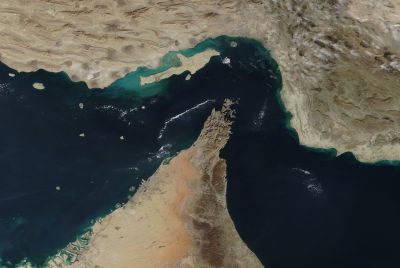
DUBAI, United Arab Emirates — The Strait of Hormuz, the world's most critical oil chokepoint, remained highly volatile Monday as President Donald Trump announced the start of a U.S.-led escort mission dubbed "Project Freedom" to guide hundreds of stranded commercial vessels through the narrow waterway, even as Iran warned that any American interference would violate the fragile ceasefire and a fresh attack on a bulk carrier raised new maritime security alarms. The latest developments come more than nine weeks into the U.S.-Israeli war with Iran, which has effectively paralyzed shipping through the passage that normally carries about 20 percent of global oil and liquefied natural gas supplies.
Trump revealed the operation in a social media post Sunday, stating U.S. forces would begin helping "neutral and innocent" vessels trapped since the conflict erupted on Feb. 28. CENTCOM officials described the mission as a humanitarian effort to relieve stranded crews facing food, water and sanitation shortages, with coordination through a maritime cell supported by aircraft, drones and naval assets. The plan aims to restore safe navigation without direct confrontation, though Tehran immediately labeled it a provocation.
Iranian officials reacted sharply. A lawmaker declared the strait "will not return to the pre-war state," while military sources warned that U.S. escorts could be seen as a ceasefire violation. Foreign Ministry spokespeople reiterated that Iran retains sovereign rights over the waterway and would respond to any perceived threats. Despite the rhetoric, limited commercial traffic continues under strict Iranian oversight for vessels from "friendly" nations, often involving tolls or inspections.
Maritime security incidents persist. On Sunday, the United Kingdom Maritime Trade Operations reported a bulk carrier attacked by multiple small vessels near Sirik, close to the strait's entrance. The northbound ship radioed for help after sustaining damage roughly 11 nautical miles offshore. No casualties were immediately confirmed, but the assault — the latest in a series — underscores ongoing risks even as diplomatic efforts continue.
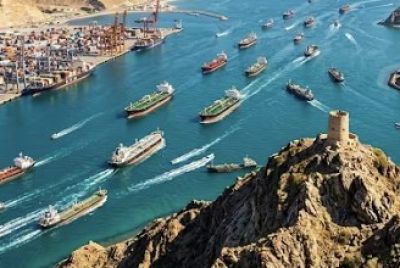
The dual blockade has devastated global energy markets and stranded an estimated 2,000 vessels with around 20,000 seafarers. U.S. forces have redirected dozens of tankers attempting to load Iranian oil, halting billions in revenue for Tehran. Iran, in turn, has restricted passages and laid mines that the Pentagon estimates could take six months to clear fully. Oil prices have surged to four-year highs at times, though some retreat followed diplomatic signals.
The crisis began after U.S. and Israeli strikes targeted Iranian nuclear facilities and assassinated Supreme Leader Ali Khamenei. Iran retaliated by closing the strait to most international traffic, attacking ships and threatening further escalation. The resulting disruption has forced alternative routes, including overland shipments through Syria and higher costs for rerouted tankers around Africa. Insurance premiums for the region have skyrocketed, sometimes 20 times pre-war levels.
Shipping experts describe the situation as unprecedented. Daily transits have dropped to single digits from the normal 125-140 vessels. Analysts at Kpler and SynMax report traffic at roughly 5 percent of normal volumes. Asian refiners face shortages of refined products, while European buyers scramble for alternative supplies. The International Energy Agency has called it the largest supply disruption in modern history.
Trump's announcement signals a shift toward de-escalation on the maritime front while maintaining pressure on Iran. U.S. officials emphasize the mission focuses on humanitarian relief and neutral shipping rather than offensive operations. However, Iran views any U.S. naval presence as hostile. Peace talks remain stalled, with recent Iranian proposals rejected by Washington as "not acceptable."
Regional players watch nervously. Gulf Arab states have quietly supported efforts to reopen the strait while avoiding direct involvement. China and India, major importers of Iranian and Gulf oil, have urged restraint and called for safe passage guarantees. Russia has offered diplomatic mediation but maintains its own interests in energy markets.
For seafarers trapped in the Gulf, the situation grows desperate. Reports describe crews running low on supplies, facing mental health strain and uncertainty about when they can sail home. Maritime unions have appealed to all parties for safe corridors and crew rotations. Some vessels have been at anchor for weeks, burning through fuel just to maintain position.
Longer-term implications extend beyond energy. The crisis highlights vulnerabilities in global supply chains and the strategic importance of maritime chokepoints. It has accelerated discussions about diversifying oil routes, investing in renewable alternatives and strengthening naval cooperation. Insurance and shipping industries face years of elevated risk premiums even if the strait reopens.
As "Project Freedom" begins, the world holds its breath. A successful escort operation could ease immediate humanitarian concerns and stabilize markets. Any clash, however, risks reigniting full-scale confrontation with catastrophic economic consequences. For now, the Strait of Hormuz remains a flashpoint where military posturing, economic warfare and diplomatic maneuvering collide in one of the planet's most dangerous maritime passages.
© Copyright 2026 IBTimes AU. All rights reserved.
- Recommended For You