Did Trump Bomb Iran Yet? Two-Week Ceasefire Deal After Threats Over Strait of Hormuz
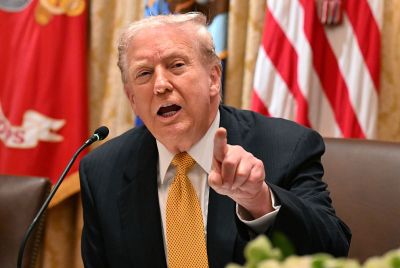
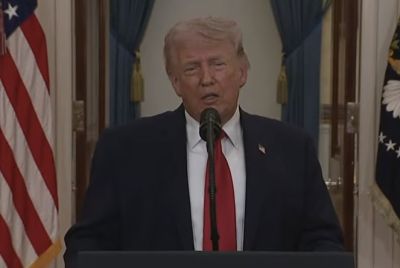
WASHINGTON — President Donald Trump has not launched the threatened large-scale bombing campaign against Iran as of Wednesday, April 8, 2026, instead announcing a conditional two-week suspension of U.S. strikes late Tuesday night, just hours before his self-imposed deadline to strike Iranian power plants and bridges.
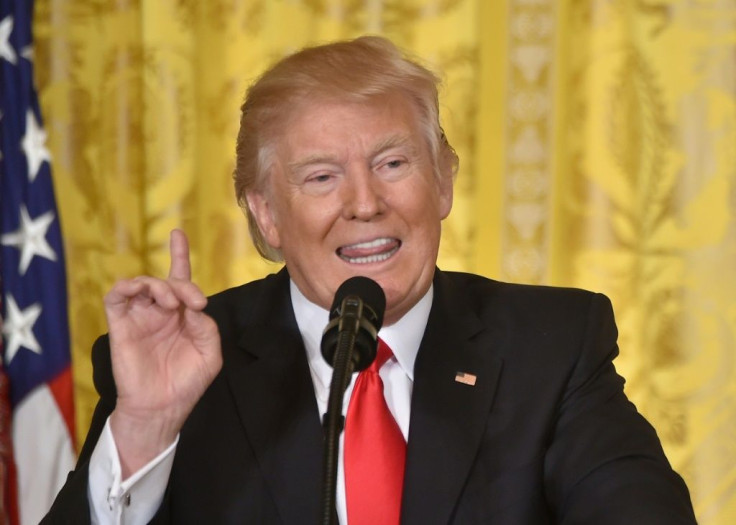
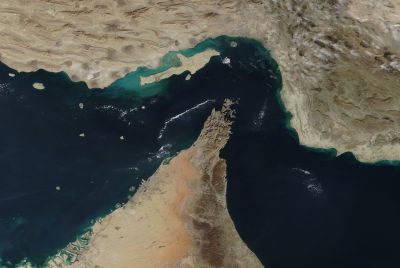
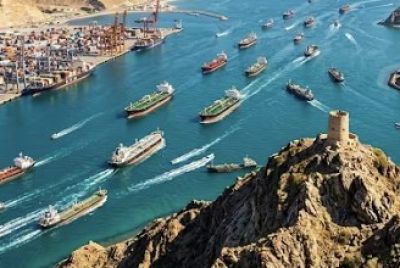
The dramatic de-escalation came after weeks of escalating rhetoric in which Trump warned that "a whole civilization will die tonight" if Tehran failed to reopen the Strait of Hormuz to international shipping. Iran's partial closure of the critical waterway — through which roughly one-fifth of global oil passes — had triggered the latest crisis amid the broader 2026 Iran conflict that began with U.S.-Israeli strikes in late February.
In a Truth Social post Tuesday evening, Trump stated he had agreed "to suspend the bombing and attack of Iran for a period of two weeks," subject to Iran's "COMPLETE, IMMEDIATE, and SAFE OPENING" of the strait. The White House and Iranian officials later confirmed the framework for the temporary ceasefire, with negotiations scheduled to begin Friday in Islamabad, Pakistan.
Background: From Threats to Temporary Pause
The U.S. and Israel launched major strikes against Iranian targets on February 28, 2026, killing Supreme Leader Ali Khamenei and other senior officials in what Washington described as preemptive action against Iran's nuclear program and regional aggression. Iran responded with missile barrages on Israel and attacks on shipping in the Persian Gulf, severely restricting Hormuz traffic and driving up global energy prices.
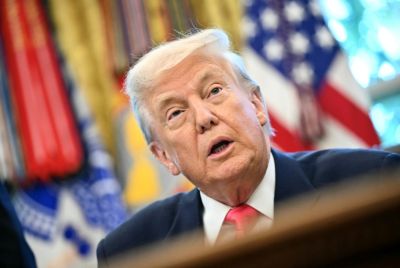
Trump repeatedly set and extended deadlines for Iran to restore free passage. His language grew increasingly bellicose, threatening to destroy every bridge and power plant in the country. On Easter Sunday, he posted: "Tuesday will be Power Plant Day, and Bridge Day, all wrapped up in one, in Iran... Open the Fuckin' Strait... or you'll be living in Hell."
Despite the fiery warnings, no new wave of major U.S. strikes materialized on the April 7-8 deadline. Instead, diplomatic efforts — mediated in part by Pakistan and involving back-channel communications — produced the two-week pause. Iran's Foreign Minister Abbas Araghchi said Tehran would comply with safe passage if attacks ceased.
Current Status and Limited Actions
As of April 8, U.S. forces have not conducted the threatened widespread bombing of civilian infrastructure. However, the broader conflict has already seen significant exchanges:
- Earlier U.S.-Israeli strikes targeted nuclear sites, military installations and leadership.
- Iran launched retaliatory missiles at Israel and harassed shipping.
- Limited U.S. operations, including rescues of downed pilots, continued in recent weeks.
Oil prices dropped sharply on news of the ceasefire, reflecting market relief that the world's most vital energy chokepoint could soon reopen. Analysts estimate full restoration could ease pressure on global supply chains strained since February.
Reactions at Home and Abroad
The announcement drew mixed responses. Supporters praised Trump's "maximum pressure" approach for forcing Iran back to the table without immediate full-scale escalation. Critics, including some international law experts, warned that threats to destroy power plants and bridges risked crossing into war crimes territory by targeting civilian infrastructure.
Israeli Prime Minister Benjamin Netanyahu's office expressed support for the pause, while emphasizing continued vigilance. European allies welcomed the breathing room but urged a more permanent diplomatic solution. China and Russia called for full de-escalation.
In Iran, state media framed the pause as a victory for resistance, though economic strain from sanctions and conflict damage has fueled domestic challenges. Celebrations erupted in parts of Baghdad, Iraq, reflecting regional exhaustion with the fighting.
What Happens Next
The two-week window provides time for talks in Pakistan focused on Hormuz access, sanctions relief, and Iran's nuclear program. Trump described elements of an Iranian 10-point proposal as a "workable basis," though he later expressed skepticism. Both sides have described the ceasefire as temporary.
Military analysts note that U.S. forces remain positioned for rapid action if Iran reneges. Reopening the strait will require verification mechanisms to ensure safe passage for tankers. Any violation could restart the countdown to renewed strikes.
Broader Implications of the 2026 Conflict
The Iran crisis has already reshaped the Middle East. Thousands have died, millions displaced, and global energy markets disrupted. The conflict escalated the Israel-Hezbollah war and drew in proxies across the region. Economically, it has cost hundreds of billions and highlighted vulnerabilities in global oil supply.
For Trump, the episode reinforces his dealmaker image — using brinkmanship to force negotiations. Whether the pause leads to lasting stability or merely delays harder choices remains uncertain. Negotiators face deep mistrust built over decades, complicated by regime change rhetoric from Washington and Tehran's insistence on sovereignty.
Domestically, the situation has divided Americans. Polls show fatigue with Middle East entanglements alongside support for strong action against Iran's nuclear ambitions. Markets reacted positively to the pause, with stocks rising on reduced geopolitical risk.
Looking Ahead
As of April 8, the answer to "Did Trump bomb Iran yet?" is no — not in the massive scale he threatened. The two-week ceasefire offers a fragile off-ramp, but the underlying issues — nuclear concerns, regional influence, and Hormuz security — persist.
Travelers, energy traders, and global leaders will watch the coming days closely. Successful reopening of the strait and productive talks in Islamabad could mark a turning point. Failure risks rapid return to hostilities.
For now, the region breathes a cautious sigh of relief. Diplomacy has won a temporary reprieve, but the stakes remain extraordinarily high in one of the world's most volatile flashpoints.
© Copyright 2026 IBTimes AU. All rights reserved.
- Recommended For You