US-Iran Ceasefire Talks Open in Islamabad Amid Fragile Truce and Deep Mistrust
ISLAMABAD, Pakistan — High-level U.S. and Iranian delegations gathered in Pakistan's capital Saturday for the first direct negotiations aimed at turning a shaky two-week ceasefire into a lasting end to the 2026 Iran war, with both sides deeply divided over core issues including Iran's nuclear program, the Strait of Hormuz and regional influence.
The talks, hosted by Pakistan at the Serena Hotel in central Islamabad, mark the first in-person face-to-face meetings between American and Iranian officials since coordinated U.S.-Israeli strikes on Iran began in late February. Pakistani Prime Minister Shehbaz Sharif, whose government mediated the fragile truce announced April 8, welcomed the delegations and urged both sides to seize the "historic opportunity" for durable peace.
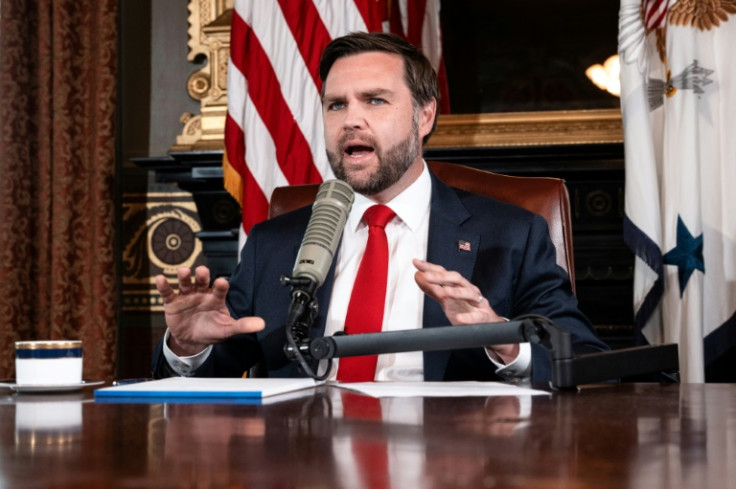
The U.S. team is led by Vice President JD Vance, joined by special envoy Steve Witkoff and senior adviser Jared Kushner. Iran's delegation is headed by Parliament Speaker Mohammad Baqer Qalibaf and includes Foreign Minister Abbas Araghchi. Advance teams arrived Friday, prompting Pakistani authorities to declare a public holiday, impose a security lockdown and establish a "red zone" around the venue.
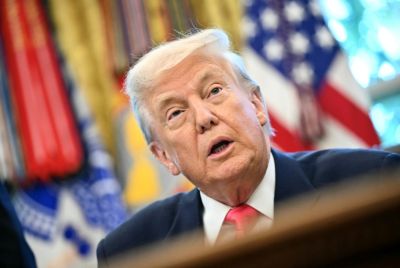
President Donald Trump described Iran's 10-point proposal as "a workable basis on which to negotiate," while Tehran insists the talks must center on its demands: full lifting of sanctions, recognition of its control over the Strait of Hormuz and an end to Israeli military actions in Lebanon. Deep gaps remain, with the U.S. pushing for Iran to halt uranium enrichment, dismantle parts of its ballistic missile program and sever support for regional proxies.
Fragile Ceasefire Already Strained
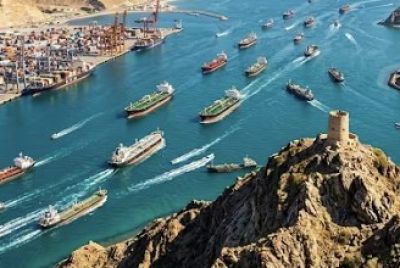
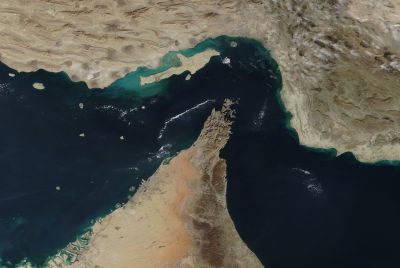
The ceasefire, effective immediately after Trump's announcement April 8, was conditioned on Iran reopening the Strait of Hormuz, a critical chokepoint for global oil flows that was disrupted during the fighting. Iran has partially complied, but shipping remains limited and energy prices continue to fluctuate. Accusations of violations have surfaced on both sides, with Tehran linking progress to a halt in Israeli strikes on Lebanon and Washington demanding verifiable de-escalation.
Iranian officials have expressed skepticism about U.S. intentions, with some hardliners warning they will not negotiate under continued pressure. Israeli officials, not party to the talks, have voiced distrust of the process and signaled readiness to act independently if Iranian threats persist.
Pakistan's role as mediator represents a significant diplomatic achievement for the nuclear-armed nation, which shares a long border with Iran and maintains ties with both Washington and Tehran. Sharif has coordinated closely with Pakistani army chief Gen. Asim Munir, who helped facilitate initial back-channel contacts. China, Saudi Arabia, Turkey, Egypt and Qatar have expressed support for the process.
High Stakes for the Region and Global Economy
The conflict, which killed thousands and disrupted energy markets, erupted after U.S.-Israeli strikes targeted Iranian facilities and reportedly killed Supreme Leader Ayatollah Ali Khamenei. The fighting quickly escalated to involve proxy forces across the Middle East and threats to global shipping.
A successful outcome in Islamabad could reshape the Middle East for generations, potentially paving the way for broader de-escalation, sanctions relief for Iran and stabilized oil supplies. Failure risks renewed escalation, higher energy costs and wider regional instability.
Analysts caution that trust is in short supply. The two sides have presented competing proposals — Iran's 10 points versus an earlier U.S. 15-point framework — with little initial overlap. Key sticking points include the future of Iran's nuclear program, ballistic missiles, support for groups like Hezbollah and the timeline for any sanctions relief.
Talks could extend up to 15 days or more, with the possibility of multiple rounds in Islamabad or elsewhere. Pakistani officials have prepared for a prolonged stay, while security remains extremely tight in the capital.
Domestic Pressures on Both Leaders
For Trump, a durable deal would represent a major foreign policy win early in his second term, demonstrating his ability to end conflicts through pressure and negotiation. He has repeatedly emphasized that Iran must make significant concessions on its nuclear ambitions and regional behavior.
Iranian President Masoud Pezeshkian and the country's leadership face domestic pressure to deliver relief from sanctions without appearing to capitulate. Hardliners in Tehran have drawn red lines, insisting on sovereignty over the Strait of Hormuz and an end to external interference.
Pakistan, caught between its relationships with the U.S., Iran, China and Gulf states, has positioned itself as a neutral facilitator. Success could elevate Islamabad's global standing; failure might expose it to criticism from all sides.
What to Watch in the Coming Days
Delegations are expected to begin substantive discussions Saturday morning local time. Early sessions will likely focus on procedural issues and confidence-building measures before tackling core disputes.
International observers, including diplomats from supporting nations, are monitoring closely. The United Nations and European powers have welcomed the talks while urging restraint.
Oil markets, already volatile, reacted with cautious optimism to the ceasefire but remain sensitive to any signs of breakdown. Global shipping companies continue to monitor the Strait of Hormuz for full reopening.
As the delegations settle into the Serena Hotel under heavy guard, the eyes of the world turn to Islamabad. After weeks of conflict that shook the Middle East and reverberated globally, these talks offer a narrow path toward peace — one fraught with mistrust, competing demands and high geopolitical stakes.
Whether the first U.S.-Iran face-to-face negotiations in years can bridge the divide or collapse under pressure will shape not only the future of the region but the broader international order in 2026 and beyond.
© Copyright 2026 IBTimes AU. All rights reserved.
- Recommended For You