Trump Declares Iran War 'Very Close to Over' as US Blockade Tightens Grip on Hormuz Amid Fresh Talks Hopes
WASHINGTON — President Donald Trump said Wednesday the conflict with Iran is "very close to being over," even as the U.S. Navy enforced a naval blockade of Iranian ports for a second day and diplomats eyed a possible second round of face-to-face negotiations in Pakistan.
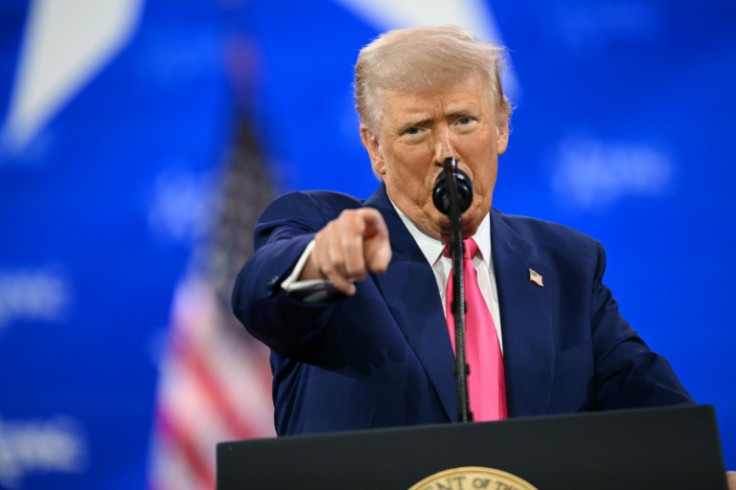
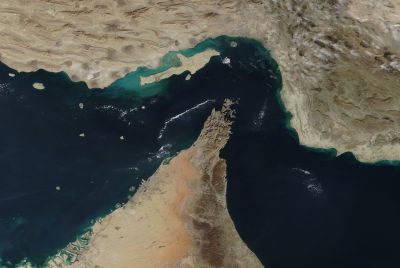
The comments, made during a Fox News interview, came as oil markets steadied and global energy concerns mounted over disruptions in the Strait of Hormuz, the narrow chokepoint through which about one-fifth of the world's oil passes. Brent crude traded below $100 a barrel Tuesday amid hopes for diplomacy, though analysts warned of prolonged volatility if the standoff drags on.
The 2026 Iran war erupted Feb. 28 when the United States and Israel launched massive airstrikes on Iranian military sites, nuclear facilities and leadership targets, killing Supreme Leader Ayatollah Ali Khamenei and dozens of other top officials in what the U.S. called Operation Epic Fury. Iran retaliated with missile and drone barrages across the region, hitting U.S. bases, Israeli territory and Gulf infrastructure. Thousands have died, including at least 1,701 in Iran, more than 2,100 in Lebanon and 13 U.S. service members, with millions displaced.
A fragile two-week ceasefire brokered by Pakistan took effect April 8, halting direct U.S.-Iranian and Israeli-Iranian exchanges of fire. But the truce quickly strained over Iran's refusal to fully reopen the Strait of Hormuz and U.S. demands that Tehran abandon its nuclear ambitions, remove its stockpile of highly enriched uranium and accept strict verification measures.
Talks in Islamabad over the weekend, led on the U.S. side by Vice President JD Vance and involving special envoys, lasted more than 20 hours but ended without a breakthrough. Iran rejected a U.S. proposal for a 20-year moratorium on uranium enrichment and the removal of its highly enriched uranium stockpile, offering instead a shorter "single-digit" pause and dilution of the material. The nuclear issue remained the core impasse, U.S. officials said.
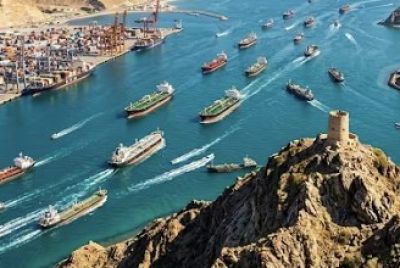
Following the deadlock, Trump announced a naval blockade of Iranian ports starting April 13. U.S. Central Command deployed more than a dozen warships, over 100 aircraft and thousands of personnel to enforce the measure, allowing vessels not bound for or from Iran to transit the strait while halting Iranian-linked trade. Pentagon officials claimed the blockade had "completely halted economic trade going into and out of Iran by sea" in its first full day, though some Iran-linked tankers reportedly slipped through near the Omani coast.
Iran's Islamic Revolutionary Guard Corps insisted the strait remained open and threatened retaliation. Tehran has accused Washington of economic terrorism and warned that any interference with its shipping could spark wider conflict. Some commercial traffic continued, but insurance rates for vessels in the region have soared and Asian buyers of Iranian oil have scrambled for alternatives.
Trump told reporters Monday that Iran had reached out expressing interest in a deal but stressed "Iran will not have a nuclear weapon." He said the U.S. would not accept any agreement allowing Tehran to retain enriched material or the ability to blackmail global energy markets. On Wednesday, he reiterated optimism, hinting that fresh talks could resume in Pakistan "over the next two days" and that something positive "could be happening."
Pakistan has proposed hosting another round and its diplomats are shuttling between the sides. China, which has close ties with Iran, has quietly urged restraint while monitoring the impact on its own energy imports. European allies have expressed concern over escalation but offered limited public support for the blockade.
The conflict has already reshaped the Middle East. Israel has continued limited strikes in Lebanon against Hezbollah, prompting new U.S.-brokered talks between Israel and Lebanon that began this week in Washington — a rare diplomatic opening, though Hezbollah is not participating. Iranian-backed militias in Iraq have launched occasional drone attacks on Gulf targets. Cultural heritage sites, including UNESCO-listed locations, have suffered damage.
U.S. officials say the initial air campaign struck more than 13,000 targets over 38 days, significantly degrading Iran's missile forces, air defenses and nuclear infrastructure at sites including Natanz, Fordow and Isfahan. Iran's stockpile of highly enriched uranium — estimated at more than 450 kilograms before the war — remains a flashpoint. Some material is believed buried deep underground at damaged sites; the U.S. has discussed but not pursued extraction operations.
Iran's economy, already strained by years of sanctions, faces deeper pain from the blockade. Oil exports, its primary revenue source, have been curtailed. The regime has leaned on domestic resilience and appeals to nationalism, but analysts say prolonged isolation could fuel internal unrest.
For the Trump administration, the strategy blends military pressure with diplomacy. Trump has repeatedly claimed the Iranian military was largely "destroyed" and that the war would be short. He has threatened devastating strikes on energy infrastructure, bridges and desalination plants if Iran does not comply, though the ceasefire paused such escalation. Defense Secretary Pete Hegseth and retired Gen. Jack Keane have signaled the U.S. is prepared to maintain control over Hormuz routes indefinitely if needed.
Critics, including some international law experts, have questioned whether aspects of the campaign — including strikes near civilian areas and threats to infrastructure — could amount to violations of the laws of war. The administration maintains all actions were in self-defense and aimed at eliminating imminent threats from Iran's nuclear and missile programs.
Global economic ripples are evident. Fuel shortages have hit parts of Asia. Shipping costs have risen. Stock markets initially dipped on war fears but recovered somewhat on ceasefire news and blockade-related oil price moderation. U.S. allies in Europe and Asia have quietly explored alternative energy arrangements while urging de-escalation.
Inside Iran, the power structure has shifted since Khamenei's death. His son Mojtaba was named supreme leader, but the Islamic Revolutionary Guard Corps has assumed greater operational control. Parliamentary Speaker Mohammad Bagher Ghalibaf and Foreign Minister Abbas Araghchi led the Islamabad delegation, signaling a mix of political and military voices in decision-making.
The two-week ceasefire expires next week, adding urgency to any new talks. U.S. officials say the goal remains a comprehensive agreement ending Iran's nuclear weapons path, ensuring freedom of navigation and addressing regional proxy threats. Iran seeks sanctions relief, reparations and recognition of its sovereignty over the strait.
Analysts caution that even if talks resume, deep mistrust persists. Previous rounds collapsed over similar nuclear and Hormuz issues. A durable deal would require robust verification mechanisms, possibly involving the International Atomic Energy Agency, and buy-in from Israel, which has vowed never to allow Iran a nuclear weapon.
As the blockade continues, U.S. commanders report no major incidents involving Iranian vessels attempting to breach the cordon, though Trump warned any such ships would be "eliminated." The Navy has shared safe transit routes with commercial shipping to minimize disruption to non-Iranian traffic.
Broader regional dynamics remain tense. Direct Israel-Lebanon negotiations could ease one front, but without Hezbollah's involvement, enforcement remains doubtful. Kurdish groups in Iran have seen sporadic clashes, though Trump has ruled out direct U.S. support for separatist militias.
For ordinary Iranians and Americans alike, the human cost is mounting. Families mourn lost soldiers, civilians and loved ones caught in crossfire. Displacement camps strain resources across the region.
Trump's optimistic tone Wednesday contrasted with the military reality on the water. Whether the blockade forces Tehran back to the table — or hardens its resolve — will likely determine if the war truly nears its end or enters a dangerous new phase of economic warfare.
Diplomats in Islamabad, Washington and regional capitals are working against the clock. A second round of talks could begin as soon as this week, Pakistani officials said, with the ceasefire's expiration looming as a deadline for progress or renewed hostilities.
As one senior U.S. official put it, the path forward combines pressure and pragmatism: keep the strait open for global commerce, prevent nuclear breakout and seek an exit that avoids a wider Middle East conflagration.
The coming days will test whether Trump's assessment proves prescient or if the "very close to over" declaration becomes another chapter in a conflict that has already redrawn maps, upended energy markets and claimed thousands of lives.
© Copyright 2026 IBTimes AU. All rights reserved.
- Recommended For You