

(VIDEO) Trump vs Pope Leo: 5 Key Facts on Explosive Feud Over Iran War and Hormuz Blockade
Trump vs Pope Leo: 5 Key Facts on Explosive Feud Over Iran War and Hormuz Blockade
WASHINGTON — President Donald Trump launched a blistering attack on Pope Leo XIV on Sunday, calling the first American-born pontiff "a very liberal person" and declaring "I'm not a fan of Pope Leo" after the Chicago-born leader condemned the U.S.-Israeli military campaign against Iran as driven by a "delusion of omnipotence."
The extraordinary public clash, delivered via Truth Social and remarks to reporters, has intensified a feud that began with Leo's repeated calls for peace and dialogue as tensions in the Middle East escalated. With Trump announcing a naval blockade of the Strait of Hormuz hours earlier after failed talks in Pakistan, the exchange highlights deep divisions over war, nuclear policy and the role of faith in global affairs.
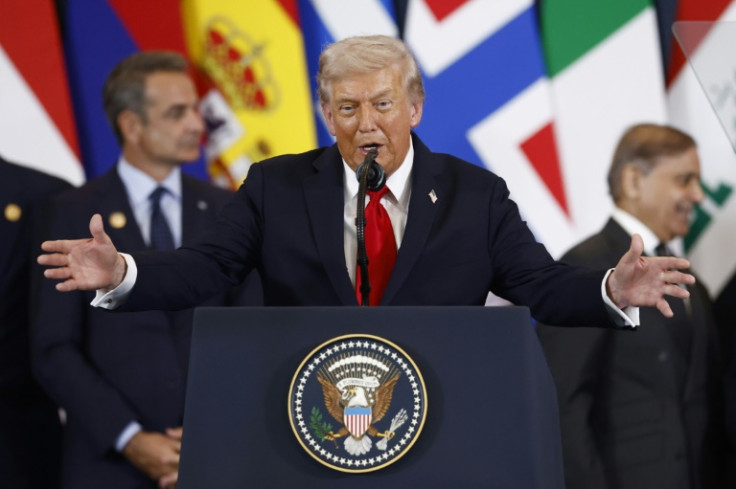
Here are five things you must know today about the Trump-Pope Leo confrontation:
- The Spark: Pope's Strong Condemnation of Iran War Rhetoric Pope Leo XIV has emerged as one of the most vocal critics of the U.S.-Israeli actions against Iran. In his strongest remarks yet over the weekend, during a prayer vigil at St. Peter's Basilica, Leo denounced the "delusion of omnipotence" fueling the conflict and demanded leaders "stop" and negotiate peace. "Enough of the idolatry of self and money! Enough of the display of power! Enough of war!" he declared. On Friday, he posted on X that "God does not bless any conflict" and that disciples of Christ, the Prince of Peace, never side with those who "drop bombs." Leo also called Trump's earlier threat that "a whole civilization will die tonight" if Iran failed to meet demands "truly unacceptable," arguing attacks on civilian infrastructure violate international law. The American pontiff, elected in May 2025, has consistently urged dialogue over escalation since strikes began earlier this year.
- Trump's Sharp Rebuttal: 'Weak on Crime' and 'Terrible for Foreign Policy' Trump responded late Sunday with a lengthy Truth Social post labeling Pope Leo "WEAK on Crime, and terrible for Foreign Policy." He urged the pope to "stop catering to the Radical Left" and suggested Leo's stance effectively tolerated Iran acquiring nuclear weapons. "We don't like a pope that says it's OK to have a nuclear weapon," Trump told reporters after landing in Washington from Florida. He added that Leo is "a very liberal person" and "I don't think he's doing a very good job. I'm not a fan of Pope Leo." The comments marked a stark turnaround from Trump's initial positive reaction to Leo's election as "a great honor for our country." Trump tied the criticism directly to the collapsed Islamabad talks and his new Hormuz blockade order, framing the pope's peace appeals as undermining American strength.
- Unprecedented Nature of the Clash While popes and presidents have often differed — from Vietnam to Iraq — direct, personal public rebukes of this intensity between a U.S. leader and the head of the Catholic Church are rare. Leo, born Robert Francis Prevost in Chicago, is the first American pope, raising initial hopes among some U.S. Catholics for closer Vatican-Washington ties. Instead, his moral critiques of Trump administration policies on immigration, war and religious rhetoric have created tension. The Vatican has emphasized Leo's role as a spiritual rather than political figure, but his pointed language — including criticism of "diplomacy based on force" and religious justifications for military action — has drawn sharp pushback. Historians note the exchange reflects broader cultural battles in American Catholicism and global politics.
- Timing Amid Hormuz Blockade and Market Turmoil The feud erupted as Trump ordered the U.S. Navy to blockade the Strait of Hormuz following the failure of peace talks, sending oil prices surging above $103 a barrel and triggering sharp drops in global stock futures. The blockade targets vessels paying Iranian tolls and aims to clear mines while restoring navigation on U.S. terms. Leo's weekend appeals for an end to the "madness of war" coincided with these developments, amplifying the drama. Analysts say sustained high energy prices could add to inflation pressures worldwide, complicating economic policy as the blockade takes effect. The pope's calls for dialogue have resonated in Europe and among peace advocates, while Trump's "peace through strength" approach garners support from national security hawks.
- Broader Implications for U.S.-Vatican Relations and Global Diplomacy The rift has drawn mixed reactions from U.S. Catholic leaders, with some defending Trump's firm stance on Iran's nuclear ambitions and others expressing discomfort over attacking the spiritual leader of more than 1 billion Catholics, including about 70 million Americans. International observers watch closely as the exchange intersects with ongoing Hormuz tensions, where China and Russia have echoed calls for restraint. Leo is scheduled for a 10-day tour of African countries, focusing on peace and migration — issues where he has also clashed with Trump policies. For now, the Vatican has offered no immediate response, but the public nature of the dispute risks complicating back-channel diplomacy. It underscores how personal, political and religious dimensions can collide during international crises, potentially influencing public opinion on both sides of the Atlantic.
The confrontation arrives as the Iran conflict remains fluid, with a fragile ceasefire frayed and naval operations beginning in the strategic waterway. Trump has emphasized U.S. energy independence as a buffer, while Leo continues to amplify moral appeals against violence.
Catholic commentators note the irony of the first U.S.-born pope facing criticism from a U.S. president over foreign policy. Supporters of Trump view the pope's statements as naive or politically motivated, while Leo's backers see them as a necessary prophetic voice for peace amid civilian suffering.
As markets react to energy shocks and diplomats monitor the Hormuz situation, the Trump-Leo exchange adds another layer of complexity. Whether it leads to further escalation in rhetoric or prompts quiet efforts at reconciliation remains unclear. For millions of Catholics and global observers, the rare public feud between the White House and the Vatican serves as a vivid reminder that even in an era of advanced geopolitics, words from the highest levels — whether from the Oval Office or St. Peter's Square — still carry profound weight.
The coming days will test whether the divide widens or if shared interests in regional stability allow for de-escalation. With Leo preparing international travel and Trump focused on enforcing the blockade, the spotlight remains on how faith, power and policy intersect in one of the world's most volatile regions.
© Copyright 2026 IBTimes AU. All rights reserved.