Pope Leo XIV Tells Trump 'I Have No Fear' After Scathing Attack Over Iran War Stance
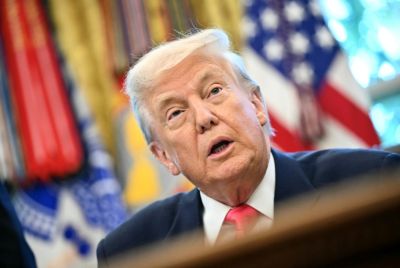
ROME — Pope Leo XIV pushed back firmly Monday against President Donald Trump's blistering personal criticism, declaring aboard the papal plane that he has "no fear of the Trump administration" and will continue speaking out for peace rooted in the Gospel message.
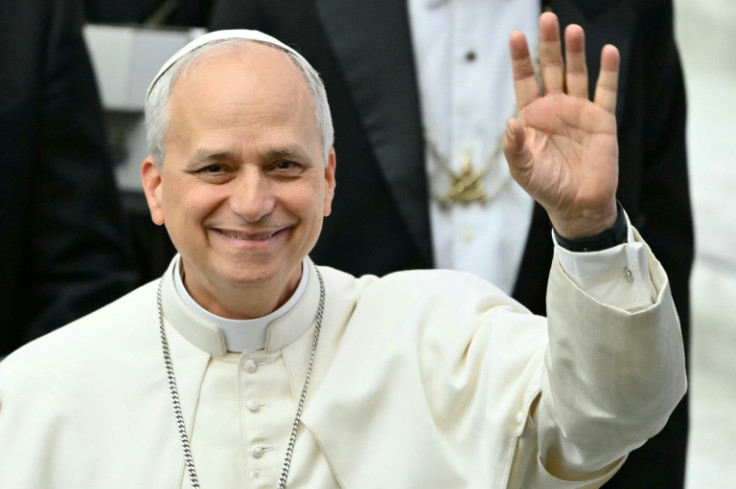
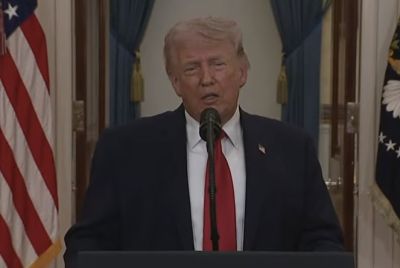
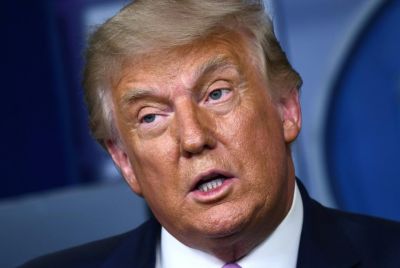
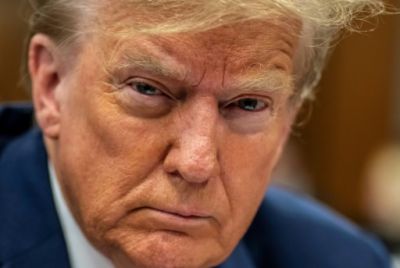
The first American-born pontiff made the remarks en route to Algeria for a 10-day visit to several African nations, hours after Trump unleashed an extraordinary late-night broadside on Truth Social. The president accused Leo of being "WEAK on Crime" and "terrible for Foreign Policy," while claiming the pope was catering to the "radical left" and was too soft on allowing Iran to possess nuclear weapons.
"I have no fear of the Trump administration, or speaking out loudly of the message of the Gospel, which is what I believe I am here to do, what the church is here to do," Leo told reporters, according to multiple accounts from the flight. He added that he had "no intention to debate" with the president, emphasizing that his calls for peace and reconciliation stem directly from Christian teachings rather than political opposition.
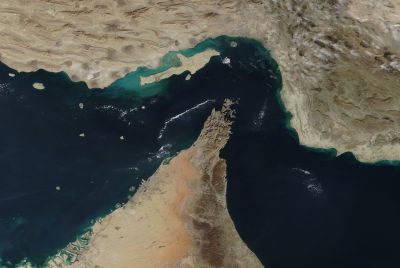
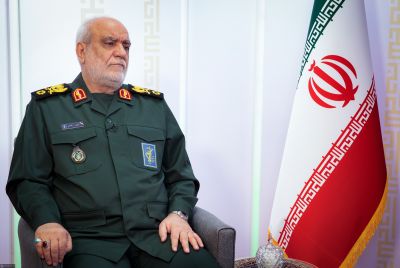
Trump's Sunday night attack came after weeks of growing friction. Leo has repeatedly criticized the U.S.-Israeli military actions against Iran, describing Trump's earlier threat that "a whole civilization will die tonight" if Iran did not comply on the Strait of Hormuz as "truly unacceptable." The pope has urged world leaders to pursue dialogue and find an "off-ramp" to end the conflict, warning against a "delusion of omnipotence" driving escalation.
In his lengthy Truth Social post, Trump wrote that he was "not a big fan" of Leo and suggested the Illinois native was chosen as pope primarily because of his American citizenship to help deal with the Trump administration. "If I wasn't in the White House, Leo wouldn't be in the Vatican," Trump asserted. He also said he preferred the pope's brother Louis, describing him as "all MAGA."
Minutes later, Trump amplified the controversy by sharing an AI-generated image depicting himself in flowing robes with glowing hands, appearing to heal a patient in a hospital bed surrounded by a nurse, a praying woman, military figures and patriotic symbols. The post, widely described as evoking Jesus Christ healing the sick, drew immediate backlash from religious leaders and commentators who called it blasphemous, especially during the Easter season.
The feud marks a sharp departure from the usually cordial, if sometimes tense, relationship between U.S. presidents and the Vatican. While popes and presidents have differed on issues ranging from the Iraq War to immigration, direct personal attacks of this nature are rare. Leo's emergence as one of the most vocal critics of the Iran conflict has positioned the 1.4-billion-member Catholic Church as a moral counterweight to Trump's hard-line foreign policy.
Leo, born Robert Prevost in Chicago, was elected pope in 2025 following the death of Pope Francis. His American background and relatively direct communication style have surprised some observers, who note he has not shied away from addressing geopolitical issues. On Easter and in recent addresses, he has called on leaders to abandon desires for conflict and domination, imploring prayers for peace amid the Middle East crisis.
The timing of the clash coincides with heightened tensions over Iran. Trump announced Sunday that the U.S. Navy would begin blockading ships entering or leaving Iranian ports via the Strait of Hormuz after failed peace talks in Islamabad. The move, set to take effect Monday, has raised fears of further escalation, including potential Houthi retaliation in the Red Sea's Bab el-Mandeb Strait. Oil prices surged in response.
Vatican officials and Catholic commentators expressed dismay at Trump's tone. Some described the AI image as particularly troubling, suggesting it crossed into sacrilegious territory. Others noted the irony of Trump attacking the first U.S. pope while claiming strong support from American evangelicals and conservative Catholics.
White House spokespeople offered limited comment when pressed Monday, with one official reiterating that Trump's foreign policy prioritizes American strength and preventing nuclear proliferation. Trump himself, speaking to reporters after landing in Washington, doubled down, saying he expected the pope to focus on spiritual matters rather than "criticizing the President of the United States" for actions taken to protect the country.
International reactions varied. European leaders and diplomats expressed concern that the public feud could complicate broader diplomatic efforts. Some Muslim-majority nations welcomed the pope's calls for restraint in the Iran conflict. Within the U.S., Catholic bishops remained largely silent as an institution, though individual voices from progressive and conservative wings reflected the nation's polarized views.
Analysts described the exchange as revealing deeper philosophical differences. Trump's "America First" approach emphasizes military leverage and decisive action, while Leo frames peace as a Gospel imperative that transcends national interests. The pope has repeatedly stressed that God does not bless wars or listen to prayers from those who wage them with violence.
Despite the sharp words, Leo appeared calm and focused on his African trip, where he is expected to address issues of poverty, migration and interfaith dialogue. Vatican sources indicated no plans for further direct engagement with the White House over the remarks, with one aide noting the pope's priority remains pastoral leadership rather than political sparring.
The incident has dominated global headlines and social media, with users on both sides of the political spectrum weighing in. Supporters of Trump praised his willingness to confront what they see as liberal influences within the Church, while critics accused him of hubris and disrespect toward a major religious figure. The AI Jesus image in particular sparked memes, outrage and theological debate.
Historically, U.S.-Vatican relations have weathered disagreements, from Ronald Reagan's Cold War policies to Barack Obama's health care mandates and Joe Biden's abortion stance. Yet the current clash feels more personal, amplified by Trump's unfiltered social media style and Leo's willingness to name concerns directly.
As the Hormuz blockade begins and the Iran ceasefire remains fragile, the pope's steady calls for de-escalation continue. Leo has urged Catholics and people of goodwill worldwide to contact leaders and advocate for dialogue over force. Whether his moral authority can influence the trajectory of the conflict remains uncertain, but his Monday response makes clear he will not be silenced by criticism from the White House.
For now, the unusual public feud between the president and the pope adds another layer of drama to an already volatile international landscape. Both men claim to act from deeply held convictions — one prioritizing national security and strength, the other the Gospel imperative of peace. How the tension evolves could shape perceptions of U.S. leadership and the Church's global voice for months to come.
© Copyright 2026 IBTimes AU. All rights reserved.
- Recommended For You