Five of Trump's Most Recent Notable Quotes on the Iran Situation "A whole civilization will die tonight"
WASHINGTON — President Donald Trump issued a series of increasingly stark warnings to Iran this week as the United States sought to pressure Tehran into reopening the Strait of Hormuz and accepting a fragile ceasefire in the ongoing Middle East conflict, blending apocalyptic rhetoric with offers of potential peace.
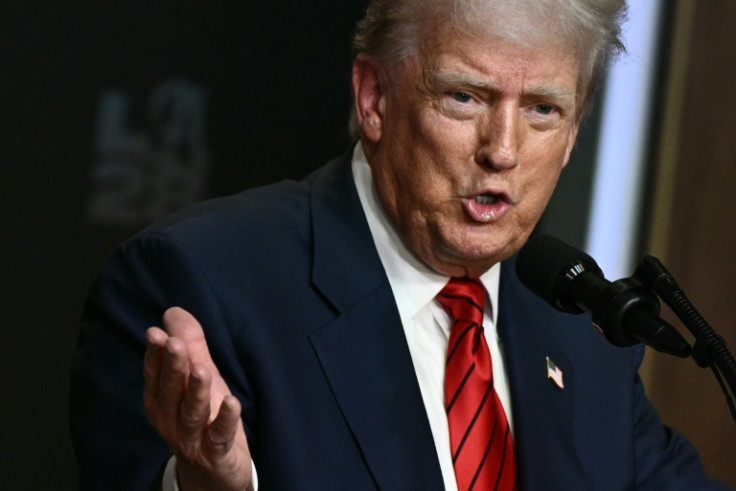
Trump's comments, delivered via Truth Social posts, White House remarks and interviews over recent days, have drawn sharp international condemnation while highlighting the high-stakes diplomacy aimed at ending weeks of escalation involving U.S., Israeli and Iranian forces. The rhetoric peaked Tuesday with a deadline for Iran to comply or face what the president described as devastating consequences for the nation's infrastructure.
Here are five of Trump's most recent notable quotes on the Iran situation, drawn from public statements between April 5 and April 9, 2026:
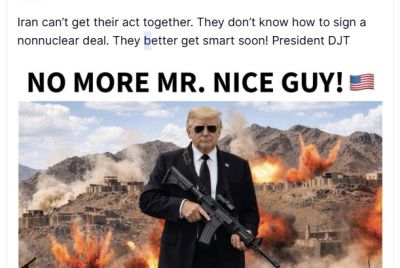
April 5, Truth Social (Easter Sunday post): "Tuesday will be Power Plant Day, and Bridge Day, all wrapped up in one, in Iran. There will be nothing like it!!! Open the Fuckin' Strait, you crazy bastards, or you'll be living in Hell - JUST WATCH! Praise be to Allah."
This expletive-filled message set the tone for the week, directly threatening Iran's energy and transportation infrastructure unless the critical shipping chokepoint was reopened. The post quickly went viral, sparking debate over its tone and potential impact on negotiations.
April 6 or 7, remarks to reporters/Truth Social follow-up: "The entire country could be taken out in one night, and that night might be tomorrow night. ... Because of the power of our military, every bridge in Iran will be decimated, every power plant in Iran will be out of business, burning, exploding and never to be used again. I hope I don't have to do it."
Trump doubled down on the threat of rapid, overwhelming strikes, emphasizing U.S. military superiority while expressing reluctance. He framed the potential action as a last resort to protect global energy flows through the Strait of Hormuz, which carries about 20% of the world's oil and gas shipments.
April 7, Truth Social (deadline day): "A whole civilization will die tonight, never to be brought back again. I don't want that to happen, but it probably will. ... Maybe something revolutionarily wonderful can happen, WHO KNOWS? We will find out tonight, one of the most important moments in the long and complex history of the World."
This post represented the peak of Trump's apocalyptic rhetoric, suggesting near-total destruction if Iran failed to meet the 8 p.m. EDT deadline. He simultaneously hinted at the possibility of regime change leading to a brighter future, blending dire warnings with optimism about "less radicalised minds" prevailing in Tehran.
April 7-8, announcement of ceasefire: "The reason for doing so is that we have already met and exceeded all Military objectives, and are very far along with a definitive Agreement concerning Longterm PEACE with Iran, and PEACE in the Middle East."
Hours before or after the deadline, Trump announced a two-week ceasefire, crediting progress in talks and claiming U.S. goals had been achieved. He described Iran's proposals as a "workable starting point" despite earlier threats, marking a rapid pivot from confrontation to de-escalation.
April 9, Truth Social warning on compliance: "If for any reason it is not [honored], which is highly unlikely, then the 'Shootin' Starts,' bigger, and better, and stronger than anyone has ever seen before. ... NO NUCLEAR WEAPONS and, the Strait of Hormuz WILL BE OPEN & SAFE."
In a follow-up post, Trump stressed that U.S. forces would remain deployed until full implementation, warning of resumed or intensified strikes if Iran breached terms. He reiterated demands for no nuclear weapons and secure navigation in the strait.
The quotes reflect Trump's signature style: blunt, personal and high-pressure negotiating tactics that mix threats with deal-making overtures. They emerged against the backdrop of a conflict that began escalating in recent weeks, with U.S. and Israeli strikes targeting Iranian assets and Iran responding by disrupting shipping in the Strait of Hormuz.
International reaction was swift and largely critical. The United Nations secretary-general expressed being "deeply troubled" by threats that could endanger civilian infrastructure, while Pope Leo XIV and human rights groups like Amnesty International condemned language suggesting large-scale civilian harm. Critics argued the statements risked escalating the conflict further or violating international norms regarding protected sites like power plants.
Supporters, however, viewed the approach as effective hardball diplomacy. Within hours of the Tuesday deadline, Trump announced the temporary ceasefire, citing Iranian willingness to negotiate. Israeli Prime Minister Benjamin Netanyahu's office initially pushed back on some terms, conducting operations in Lebanon that complicated the pause, but Trump claimed a phone call helped scale back activity.
The Strait of Hormuz remains central to the dispute. Iran has used threats to close or disrupt the waterway as leverage, prompting Trump to demand its immediate reopening as a condition for de-escalation. Oil prices fluctuated in response, with Brent crude rising amid uncertainty before easing slightly on ceasefire news.
Analysts note the rapid shift from "Power Plant Day" threats to ceasefire talks illustrates Trump's preference for dramatic pressure followed by claimed victories. The two-week pause is intended to allow negotiations toward a longer-term agreement addressing nuclear issues, regional proxies and security guarantees.
On the domestic front, the statements have divided opinion. Some Republicans praised the tough stance as necessary to deter Iran and protect U.S. interests, while Democrats and some international allies criticized the rhetoric as reckless and potentially illegal under laws of war. Legal experts debated whether targeting civilian infrastructure like bridges and power plants would comply with international humanitarian law.
Trump has also claimed U.S. intercepts show some Iranians urging continued strikes or regime change, though such assertions remain unverified publicly. In one remark, he suggested Iranians were "begging" for action near certain targets, framing it as evidence of internal discontent with the current leadership.
As the ceasefire holds tenuously into its early days, focus shifts to upcoming talks. Trump has signaled optimism about a "definitive Agreement" that could bring broader peace to the Middle East, potentially including normalized relations or reduced proxy conflicts. However, divisions between U.S. and Israeli goals — with Netanyahu emphasizing continued pressure on Iranian allies — pose risks to sustainability.
The episode underscores the volatile nature of U.S.-Iran relations under Trump's second term. His first-term "maximum pressure" campaign featured similar rhetoric, including the 2020 killing of Iranian General Qasem Soleimani. This round, tied to the broader Israel-Iran shadow war that spilled into direct exchanges, has raised global concerns over energy security, nuclear proliferation and humanitarian impacts.
With U.S. forces still positioned in the region and deadlines looming for full compliance, markets and diplomats are watching closely. Oil shipments through the strait have faced disruptions, contributing to economic ripple effects worldwide.
Trump's blend of colorful language, military threats and sudden deal announcements has once again dominated headlines. Whether the current pause leads to lasting de-escalation or renewed confrontation remains uncertain as negotiations begin in earnest.
For now, the president appears to claim partial victory, having used high-stakes rhetoric to force movement on a key chokepoint while avoiding immediate large-scale strikes on Iranian infrastructure. The coming weeks will test whether the approach yields a more stable outcome or further volatility in one of the world's most dangerous flashpoints.
© Copyright 2026 IBTimes AU. All rights reserved.
- Recommended For You