Dow Jones Falls Nearly 500 Points as Oil Volatility and Iran Conflict Weigh on Markets
The Dow Jones Industrial Average tumbled nearly 500 points Wednesday as investors grappled with renewed upward pressure on oil prices and uncertainty surrounding the escalating conflict between the United States and Iran, even as the International Energy Agency announced plans to release a record volume of emergency reserves.
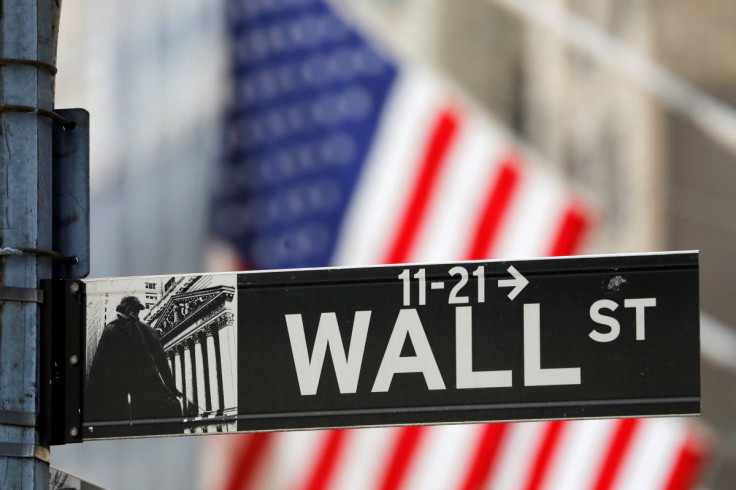
The Dow closed the previous session at 47,706.51 but opened lower at 47,690.76. By midday EDT, the index had declined to approximately 47,221, down about 485 points or 1.02%, according to real-time data from major financial platforms. The intraday low reached near 47,186, with a high of 47,711 before selling accelerated.
Broader markets followed suit but with less severity. The S&P 500 dropped roughly 0.4%, trading around 6,755, while the tech-heavy Nasdaq Composite fell about 0.2%, hovering near 22,654. Volume remained elevated, reflecting heightened trader caution.
The primary driver of the day's losses appeared to be energy market dynamics intertwined with geopolitical risks. Oil futures rose despite the IEA's decision to tap 400 million barrels from global stockpiles — the largest such release on record — aimed at stabilizing supplies amid disruptions tied to the Iran conflict. Brent crude and West Texas Intermediate benchmarks saw swings, briefly pushing higher before paring some gains, but the overall upward bias contributed to inflation fears and cost pressures for U.S. companies.
"The market is hyper-focused on anything related to oil right now," said one strategist cited in market commentary. "Even with the IEA move, the Iran situation shows no signs of quick resolution, and that keeps energy prices elevated and uncertainty high."
The conflict, which has dragged on without clear de-escalation signals, has already contributed to earlier market volatility this month. President Trump's hints at potential swift resolutions have occasionally lifted sentiment, but Wednesday's action suggested traders remained skeptical, prioritizing risk-off positioning.
Adding to the pressure, fresh U.S. inflation data released earlier in the week showed February's consumer price index holding steady but elevated above the Federal Reserve's 2% target. Analysts warned that March figures could spike further due to pass-through effects from higher energy costs, potentially complicating the Fed's monetary policy path in an already uncertain environment.
Individual components of the Dow reflected the broader selling. Shares of consumer staples and industrial giants faced notable declines. Procter & Gamble and Sherwin-Williams were among the heaviest drags, with losses exceeding 1% in some cases, alongside Caterpillar. Energy-related names showed mixed performance, with some benefiting from higher crude but others pressured by broader equity weakness.
On the positive side, select tech and AI-linked stocks provided pockets of resilience. Oracle surged following stronger-than-expected quarterly earnings and guidance, offering some offset in the Nasdaq's more muted decline.
The 30-stock Dow, a price-weighted index of major U.S. blue-chip companies, has experienced significant swings in recent weeks. It hit a 52-week high near 50,513 earlier in 2026 but has pulled back amid the combination of geopolitical headwinds and macroeconomic concerns. The index remains up over 11% year-over-year but has shed ground in March as oil volatility intensified.
Market participants continued to monitor developments in the Middle East closely. Reports indicated no immediate breakthrough in diplomatic efforts, with oil infrastructure risks and supply chain disruptions remaining top concerns. The IEA's reserve release, while substantial, was viewed by some as insufficient to fully counteract potential longer-term shortages if the conflict persists.
Treasury yields jumped in response to the inflation and oil narrative, adding further pressure on growth-sensitive equities. The dollar held firm, underscoring a flight to safety.
Looking ahead, traders will eye upcoming economic indicators, including any fresh jobs or manufacturing data, alongside continued headlines on Iran. Corporate earnings season also remains in focus, with results from major firms potentially influencing sentiment.
Despite the pullback, some analysts noted that the market's reaction could prove temporary if de-escalation signals emerge or if the IEA action successfully caps oil gains. For now, however, caution dominated Wall Street.
The Dow's performance Wednesday underscores the interconnectedness of global events and U.S. equities. As the Iran conflict shows no quick end and energy markets remain turbulent, investors appear poised for continued choppiness.
© Copyright 2026 IBTimes AU. All rights reserved.
- MOST POPULAR IN News