

Dow Jones Futures Today: Point to Modest Decline as Iran Talks Uncertainty Weighs on Wall Street
Dow Jones futures traded lower early Tuesday, March 24, 2026, pointing to a cautious open on Wall Street after a strong rebound the previous session fueled by optimism over potential U.S.-Iran negotiations that later showed signs of fading.
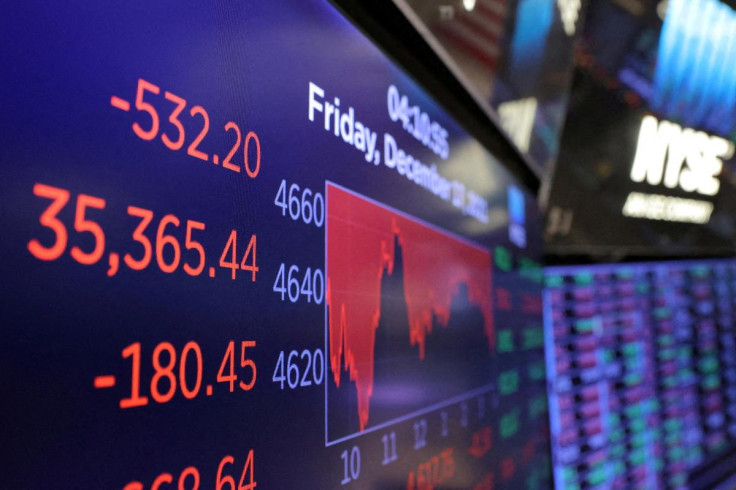
E-mini Dow futures were recently down about 233 points, or 0.50%, near 46,108 as of premarket trading. S&P 500 futures shed around 71.50 points, or 1.07%, while Nasdaq-100 futures dropped roughly 362 points, or about 1.5%. The moves came after the Dow Jones Industrial Average surged 631 points, or 1.38%, to close Monday at 46,208.47 — its best day since the escalation of Middle East tensions.
The volatility reflects ongoing uncertainty surrounding the U.S.-Iran conflict and its impact on global oil prices and inflation expectations. President Donald Trump posted on Truth Social early Monday that the U.S. and Iran had held "very good and productive" talks, sparking a sharp rally in equity futures that briefly sent Dow contracts up more than 1,100 points. Stocks followed through with solid gains as crude oil prices tumbled on de-escalation hopes.
However, Iranian state media later pushed back, stating there were no direct talks underway, prompting futures to give back much of the overnight surge. By Tuesday morning, the initial optimism had cooled, with traders bracing for possible renewed volatility in energy markets.
Oil prices, which had spiked dramatically in recent weeks amid the conflict, fell sharply Monday after Trump's comments but remained elevated overall. West Texas Intermediate crude was trading around recent levels early Tuesday, still well above pre-conflict averages and keeping inflation concerns in focus.
The Federal Reserve's outlook has also shifted amid the turmoil. Interest rate futures now price in little chance of rate cuts before mid-2027, according to the CME FedWatch tool, as higher energy costs threaten to keep inflation stubborn. That outlook weighed on rate-sensitive sectors despite Monday's relief rally.
Wall Street has been on edge for weeks as the Middle East conflict pushed oil prices higher, raising fears of broader economic disruption. The Dow briefly dipped below its 200-day moving average last week before rebounding, underscoring fragile sentiment.
Analysts say the market's reaction to Trump's post highlights how sensitive equities have become to any sign of diplomatic progress. "Any hint of de-escalation provides a lifeline, but skepticism returns quickly when details are scarce," said one strategist at a major investment bank who spoke on condition of anonymity.
Monday's session saw broad participation in the rally. The S&P 500 rose 1.15% to 6,581, while the Nasdaq Composite gained 1.38% to 21,946.76. Energy stocks lagged as oil retreated, but financials, industrials and consumer discretionary names led the advance.
Looking ahead, investors will watch for any fresh developments on the diplomatic front. Additional U.S. comments or Iranian responses could swing markets rapidly. Economic data this week includes housing figures and consumer confidence readings, though geopolitical headlines are likely to dominate.
Corporate earnings season continues, with several major companies scheduled to report in coming days. Results from the technology and industrial sectors will be closely scrutinized for signs of resilience amid higher input costs.
The partial federal government shutdown, now in its sixth week, has added another layer of uncertainty, though its direct impact on markets has so far been limited compared with the Middle East situation. TSA staffing issues at airports have drawn attention, but broader fiscal concerns remain secondary for now.
Broader market context shows the Dow has been range-bound in 2026, trading well below its all-time highs reached earlier in the year. Persistent inflation worries tied to energy costs have kept the Federal Reserve on hold longer than many investors anticipated at the start of the year.
Technical analysts note that a sustained move above the 46,500-47,000 level on the Dow could signal renewed bullish momentum, while a drop below recent lows near 45,000 might open the door to further selling.
International markets showed mixed performance overnight. European stocks were little changed as traders weighed the same geopolitical risks. Asian markets closed mostly lower, with Japan's Nikkei retreating on concerns over global growth.
Currency markets reflected caution, with the U.S. dollar holding firm against major counterparts. Treasury yields edged higher, with the 10-year note yield hovering near recent levels as investors balanced growth worries against inflation risks.
For individual investors, the current environment calls for caution. Portfolio managers recommend maintaining diversified holdings and keeping some cash on hand to take advantage of volatility. Those with exposure to energy or defense sectors have seen gains in recent weeks, while pure growth names have faced pressure.
Retail trading activity has picked up during the swings, with many using futures and options to express short-term views on the conflict's outcome. However, professionals warn against overreacting to headline-driven moves.
Looking further out, the path for the Dow and broader indexes will likely hinge on three key factors: resolution or escalation in the Middle East, the trajectory of oil prices, and any signals from the Federal Reserve on future policy.
If diplomatic efforts gain traction and oil prices moderate, equities could extend Monday's rebound. Conversely, prolonged uncertainty or renewed supply disruptions could pressure stocks and keep volatility elevated.
Wall Street opens at 9:30 a.m. Eastern Time. Traders will monitor early price action for clues on whether Monday's gains can hold or if profit-taking will dominate.
In the meantime, Dow Jones futures today signal a modestly lower start, but the session remains highly fluid. Any new comments from Washington or Tehran could quickly alter the trajectory.
The coming hours and days will test whether the relief rally can evolve into something more sustained or if geopolitical risks will keep markets on a roller-coaster ride.
© Copyright 2026 IBTimes AU. All rights reserved.