Dow Jones Futures Tumble on Trump Hormuz Blockade: Oil Surges Above $100 as Iran Tensions Escalate
NEW YORK — U.S. stock index futures slid Monday as President Donald Trump ordered a naval blockade of the Strait of Hormuz following the collapse of weekend peace talks with Iran, sending oil prices surging back above $100 a barrel and reigniting inflation and growth fears on Wall Street.

Dow Jones Industrial Average futures fell as much as 580 points in early premarket trading before paring some losses to trade down roughly 300-490 points, or about 0.6-1.0%, around 47,600-47,800. S&P 500 futures dropped approximately 0.5-0.7%, while Nasdaq-100 futures declined a similar percentage, reflecting broad risk-off sentiment as traders weighed the potential for disrupted global energy supplies.
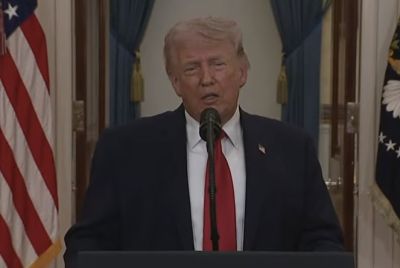
The move came after Trump announced on Truth Social that the U.S. Navy would begin blockading ships entering or leaving Iranian ports via the critical waterway, which carries about 20% of the world's oil. The decision followed failed negotiations in Islamabad, with both sides blaming the other for the impasse. Iran responded defiantly, raising the specter of retaliation that could include disruptions at the Bab el-Mandeb Strait in the Red Sea through its Houthi allies.
West Texas Intermediate crude futures jumped more than 7-9%, climbing above $100 per barrel, while Brent crude traded near $102. The sharp energy rally added pressure on equities, as higher fuel costs threaten to fuel inflation and squeeze corporate margins at a time when investors had hoped for de-escalation after a fragile ceasefire earlier in April.
Analysts described the market reaction as relatively muted compared to earlier spikes in tensions, suggesting investors have grown somewhat desensitized to geopolitical headlines or are betting on a quick resolution. Still, the developments wiped out some of last week's solid gains, during which the Dow, S&P 500 and Nasdaq posted their best weekly performances since November, buoyed by temporary ceasefire optimism that had sent oil plunging as much as 13-15%.
On Friday, April 10, the Dow Jones Industrial Average closed at 47,916.57, down 269 points or 0.56%, while the S&P 500 slipped 0.11% to 6,816.89 and the Nasdaq Composite rose 0.35% to 22,902.89. For the week, the S&P 500 gained about 3.6%, the Nasdaq climbed roughly 4.7%, and the Dow rose 3%, marking a relief rally after earlier volatility tied to the Iran conflict.
The latest flare-up has highlighted the vulnerability of energy-dependent sectors. Energy stocks, which had weakened on ceasefire hopes, faced renewed selling pressure in futures trading, while airlines, consumer discretionary names and other oil-sensitive companies came under scrutiny. Conversely, defense and certain commodity-related shares showed relative resilience.
Market strategists offered mixed views on the durability of the sell-off. Some noted that previous rounds of escalation had produced sharp but short-lived moves, with equities recovering as diplomatic channels remained open. Others warned that a prolonged blockade or Houthi retaliation could remove significant oil supply from global markets, pushing prices toward $150 or higher and forcing central banks to rethink rate-cut timelines.
Federal Reserve officials have closely monitored energy-driven inflation risks. With the central bank already navigating a complex backdrop of tariff policies and fiscal developments under the Trump administration, sustained higher oil prices could delay expected easing later in 2026. Bond yields edged higher in early trading, with the 10-year Treasury yield rising modestly as investors priced in stickier inflation.
Broader economic data this week, including retail sales and housing figures, will provide additional context, but geopolitical headlines are likely to dominate sentiment. Earnings season is also approaching, with major banks and industrial giants set to report, potentially offering insight into how companies are hedging against energy volatility.
The Dow Jones Industrial Average, a price-weighted index of 30 blue-chip stocks, has shown particular sensitivity to energy and industrial names in recent sessions. Its recent recovery toward the 48,000 level had been fueled by hopes of stabilized oil markets and resilient corporate earnings. A sustained pullback could test support levels near 47,000, analysts said.
International markets reflected similar caution. Asian stocks opened lower, with Japan's Nikkei declining around 1%, while European futures pointed to a soft start. Gold, a traditional safe-haven asset, gained ground as uncertainty mounted.
Trump's blockade announcement framed the action as necessary to prevent Iran from profiting off tolls and to restore freedom of navigation. U.S. Central Command indicated the operation would target Iranian-linked traffic while protecting routes for Gulf allies. However, the asymmetric risks posed by Iranian proxies have left traders wary of unintended escalation.
Wall Street veterans recalled similar episodes in past decades when Hormuz tensions spiked oil prices and weighed on equities, only for markets to rebound once diplomacy advanced or alternative supply routes eased bottlenecks. Saudi Arabia and other producers have indicated willingness to tap spare capacity, though Red Sea disruptions could complicate logistics.
For individual investors, the volatility underscores the importance of diversification and avoiding knee-jerk reactions to headlines. Financial advisers recommend focusing on long-term fundamentals, such as corporate balance sheets and innovation in sectors less exposed to energy costs, including technology and health care.
As trading begins Monday on Wall Street, all eyes will remain on oil price action, any further statements from the White House or Tehran, and potential naval developments in the Persian Gulf. A swift de-escalation could stabilize futures and support a rebound, while prolonged uncertainty risks deeper losses and renewed inflation concerns.
The Dow Jones futures movement serves as an early barometer for the week ahead. With the blockade set to take effect and diplomatic backchannels reportedly still active, markets face a test of resilience amid one of the more volatile geopolitical episodes of 2026.
Whether this represents a temporary setback or the start of a more sustained risk-off period will depend on how quickly tensions ease — and how effectively global energy markets adapt to the latest disruption at one of the world's most vital chokepoints.
© Copyright 2026 IBTimes AU. All rights reserved.
- Recommended For You