Winter Prep for Your Aluminium Outdoor Furniture: To Cover or Not to Cover?
Discover the best practices for maintaining aluminium outdoor furniture during winter months.
Winter's rolling in, and suddenly everyone's scrambling around asking the same question about their outdoor furniture: should I cover it up or just leave it be? When it comes to aluminium outdoor sets, the answer isn't quite as straightforward as you might think.
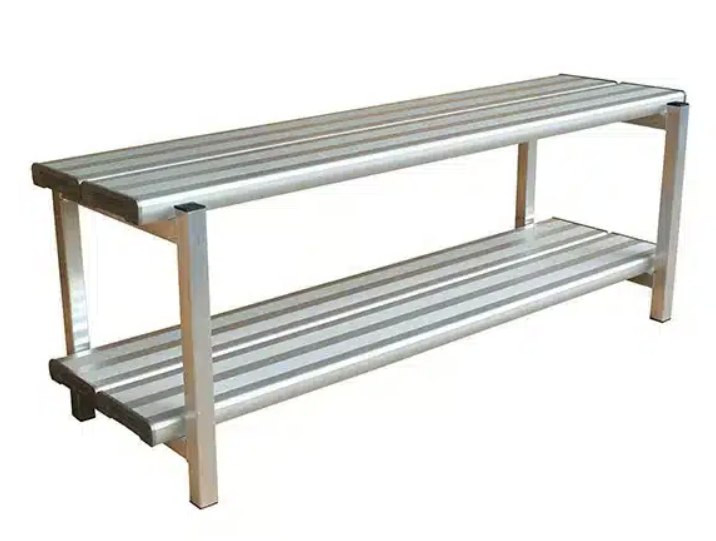
Here's the thing about aluminium furniture. It's pretty much built to handle whatever Mother Nature throws at it. Unlike timber that can warp or steel that rusts, aluminium laughs in the face of rain, snow, and those crazy temperature swings we get during winter. But that doesn't mean you should just ignore it completely.
The Great Cover Debate
Look, covering your outdoor furniture seems like the obvious thing to do, right? Actually, it's not always necessary with quality aluminium pieces. The metal itself won't rust or deteriorate from moisture exposure. But here's where it gets a bit more interesting.
Covers can sometimes do more harm than good if you're not careful about it. Picture this: you've carefully wrapped your outdoor dining set in what you think is a waterproof cover, feeling pretty pleased with yourself. Then a few months later, you pull off that cover to find mildew, trapped moisture, or even some corrosion on metal fittings that aren't aluminium.
The thing is, most covers aren't completely waterproof despite what the packaging says. They trap humidity and create this weird little microclimate that can actually accelerate problems rather than prevent them.
When Covering Makes Sense
But wait, don't write off covers entirely just yet. There are definitely situations where they're worth considering.
If your area gets particularly harsh weather, like heavy snow loads or frequent hailstorms, a good quality cover can prevent physical damage. Those cheap plastic covers from the hardware store? Skip them. You want something breathable that allows air circulation while still providing protection.
UV protection is another consideration. Even though we're talking about winter prep, that autumn and early spring sun can be surprisingly intense. Quality Felton aluminium outdoor furniture is designed to handle UV exposure, but covers can help maintain that fresh appearance longer.
The Smart Alternative
Here's what most people don't think about: proper positioning and cleaning matter more than covering in most cases.
Moving your furniture to a more sheltered spot can be just as effective as covering it. Under an eave, closer to the house, or even just repositioning it so prevailing winds don't constantly batter it. Sometimes the simple solutions work best.
Cleaning before winter hits is actually crucial. Any dirt, leaves, or organic matter left sitting on surfaces can cause staining or encourage mildew growth. A quick wash down with mild soap and water, then letting everything dry completely, sets you up for success.
The Cushion Question
Now, cushions and fabric elements? That's a different story entirely. Even water-resistant outdoor fabrics benefit from being stored indoors or in a dry shed during the worst winter months. They'll last longer and look better when spring arrives.
Some people get fancy and just remove the cushions while leaving the frames outside. Honestly, this approach works pretty well for most situations.
What Actually Matters
The truth is, good quality aluminium outdoor furniture is designed to live outside year-round. That's kind of the whole point. Worrying excessively about winter protection often creates more problems than it solves.
Focus on the basics: keep it clean, ensure good drainage around the area, and maybe shift pieces to slightly more protected positions if extreme weather's forecast. Your furniture will thank you come spring, and you won't have spent half your weekend wrestling with covers that probably weren't helping anyway.
Winter prep doesn't have to be complicated. Sometimes the best protection is simply buying quality pieces in the first place and then letting them do what they're designed to do.
© Copyright 2026 IBTimes AU. All rights reserved.
- Recommended For You