Australian MP Demands Harry and Meghan Cover Full Security Costs on Private Tour
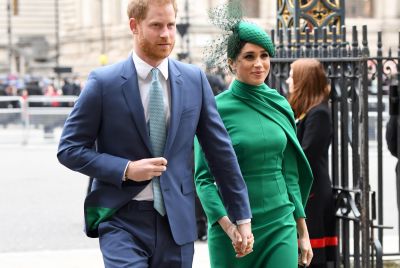
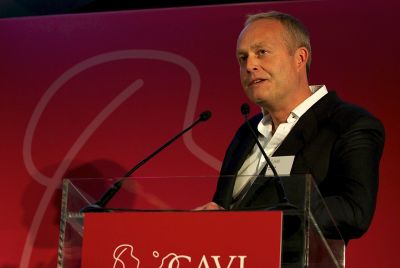
MELBOURNE, Australia — A Victorian libertarian MP has issued a blunt challenge to Prince Harry and Meghan Markle, demanding the Duke and Duchess of Sussex personally reimburse police for any extra security provided during their upcoming private visit to Australia this week. David Limbrick said the wealthy couple should "pay for it in full" rather than risk Australian taxpayers subsidizing protection amid their tour of Melbourne and other cities.

Limbrick's comments, made Monday, come as speculation grows over policing costs for the Sussexes' first trip Down Under since stepping back as senior working royals in 2020. The couple is scheduled for a series of private, business and philanthropic engagements in Melbourne, Sydney and possibly Canberra between April 15 and 19. While their representatives insist the tour is privately funded, police in Victoria and New South Wales have confirmed they will deploy additional resources to ensure public safety.
"There is a fee structure for police support in Victoria, but if Harry and Meghan want any goodwill, they will pay for it in full," Limbrick told reporters. The MP, who represents the South Eastern Metropolitan Region in Victoria's Legislative Council, framed the issue as one of basic fairness. He pointed out that the Sussexes, who have built a multimillion-dollar lifestyle through media deals, public appearances and commercial ventures, are no longer entitled to automatic royal protection.
The backlash echoes a Change.org petition titled "No Taxpayer-Funding or Official Support for Harry & Meghan's Private Visit to Australia!" that has gathered more than 43,000 signatures. Critics argue that any extra policing diverts resources from everyday community needs in a state already facing budget pressures. Supporters of the couple counter that credible threats — including online harassment and occasional protests — justify standard public safety measures regardless of who foots the bill.
Victoria Police and NSW Police have both stated they will conduct operations "to ensure public safety is maintained" and may require "additional security measures" during the visit. Neither force has detailed exact costs or confirmed reimbursement agreements. In Victoria, police routinely assess events and deploy resources as needed, while NSW has indicated operations will minimize disruption to the community.
The debate revives long-running questions about the Sussexes' security since Megxit. In the UK, Harry has fought legal battles to restore taxpayer-funded protection when visiting Britain, citing ongoing risks to himself and his family. Australian authorities face a similar dilemma: treat the couple as high-profile private citizens capable of hiring private security, or provide standard policing that inevitably carries public cost.
Limbrick's intervention highlights growing frustration in parts of Australia. During the couple's 2018 royal tour as working royals, security and logistics were covered under official protocols. This time, without formal royal status, expectations of self-funding are higher. The MP argued that millionaires should not expect ordinary taxpayers to subsidize personal protection, especially when Victoria Police already operates under fee structures for special events and VIP support.
Harry is reportedly set to speak at the InterEdge Psychological Safety Summit in Melbourne for a mid-five-figure fee, while Meghan is expected to headline a luxury "Her Best Life" wellness retreat in Sydney priced at around $3,000 per guest. These paid engagements have fueled accusations that the couple is monetizing their royal-adjacent status while seeking public resources for safety. Their team has pushed back, describing the trip as focused on "listening, learning and supporting communities" and dismissing funding concerns as a "moot point."
Public sentiment remains divided. Some Australians welcome the visit as an opportunity for the couple to engage on mental health, veterans' issues and philanthropy. Others view it through the lens of past controversies, including Harry's memoir "Spare," the couple's Netflix series and high-profile interviews. A former NSW Police minister told media that many monarchists would be "horrified" at the prospect of taxpayer support, given the couple's treatment of the late Queen and current King.
Security experts say protecting high-profile figures like the Sussexes involves complex measures: advance sweeps for listening devices, close protection teams, crowd management and intelligence assessments. Private security for the family is estimated to cost millions annually, but governments often absorb baseline policing costs for public safety during visits. The question is whether "additional" resources triggered by the couple's presence should be fully recovered.
Victorian Premier Jacinta Allan's government has not publicly detailed plans or costs. Police sources emphasize risk-based deployments rather than celebrity treatment. Limbrick positioned his call not as personal hostility but as a principled stand for limited government and taxpayer equity. He has a track record of criticizing public spending and overreach.
The episode fits a pattern seen in other countries. In Colombia in 2024, the Sussexes faced similar scrutiny over security during a vice-presidential invitation. In the UK, repeated court cases and Home Office resistance have kept the issue alive. Australia's republican undercurrents and sensitivity to royal visit expenses amplify the debate here.
For ordinary Victorians and New South Welsh, the practical impact is modest but symbolic. Police budgets are finite; every extra officer assigned to a VIP detail is one less available for routine patrols, traffic or emergency response. Limbrick's demand for full reimbursement aims to preserve that balance.
The Sussexes' representatives have maintained silence on Limbrick's specific remarks. Archewell Foundation activities continue, and the couple has kept a relatively low profile in recent months while focusing on family life in Montecito, California. Any Australian engagements are expected to avoid traditional royal walkabouts, partly due to the security and logistical costs involved.
As the visit draws near, authorities will finalize risk assessments. Transparency around any cost-recovery agreements could ease public concerns. Without clear reimbursement, criticism is likely to intensify, with social media and commentary sections already buzzing with calls for the couple to "pay their own way."
The controversy underscores broader tensions in the post-royal era. Harry and Meghan have sought independence and new income streams while retaining elements of royal prestige and facing associated risks. Governments, meanwhile, must navigate public accountability, legal obligations for safety and political optics.
For now, Limbrick's straightforward message — "pay for it in full" — has crystallized one side of the argument. Whether the Sussexes, Victoria Police or event organizers ultimately cover extra costs will shape how this private tour is remembered in Australia: as a low-key philanthropic trip or another flashpoint in the ongoing debate over celebrity, entitlement and taxpayer responsibility.
The coming days will test whether goodwill can be maintained without public subsidy — or whether the MP's challenge forces a clearer financial boundary for high-profile private visits.
© Copyright 2026 IBTimes AU. All rights reserved.
- Recommended For You