US and Iran Exchange Strikes Near Strait of Hormuz Testing Fragile Ceasefire in Volatile Region
Renewed military exchanges between US and Iran heighten tensions in the Middle East, impacting global markets and diplomatic efforts.
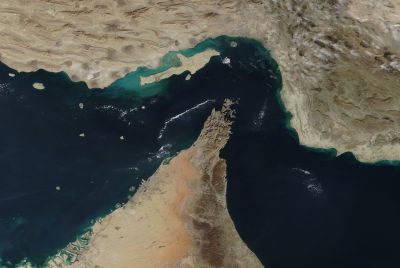
WASHINGTON — U.S. and Iranian forces traded strikes early Thursday around the Strait of Hormuz, further straining a fragile ceasefire and raising fears of renewed escalation in the Middle East as diplomatic efforts continue in the background.
Iran's Islamic Revolutionary Guard Corps said it targeted a U.S. air base in retaliation for American strikes on Iranian drones and a launch facility near the critical waterway. The U.S. described its actions as defensive measures to counter imminent threats.
The exchanges occurred hours apart, testing the limits of a truce established in early April following months of direct confrontations that had disrupted global energy flows. The Strait of Hormuz, through which roughly one-fifth of the world's oil passes, remains a flashpoint for international tensions.
Sequence of Events
U.S. forces struck Iranian drones and a ground control station in Bandar Abbas that was preparing to launch another unmanned aircraft, according to a U.S. official. In response, Iran launched an attack on what it called the originating U.S. air base. Kuwait's military reported intercepting hostile drones and missiles in the same timeframe, though it stopped short of assigning blame.
Iran had earlier fired warning shots at vessels attempting to transit the strait, according to state-linked media. The U.S. strikes marked the second such action this week, which Washington framed as consistent with ceasefire terms while Tehran condemned them as violations.
Trump Administration Stance
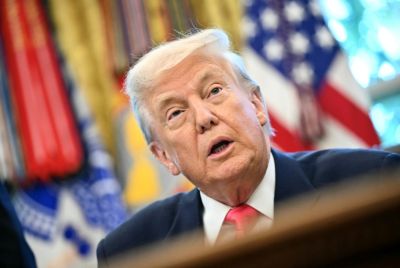
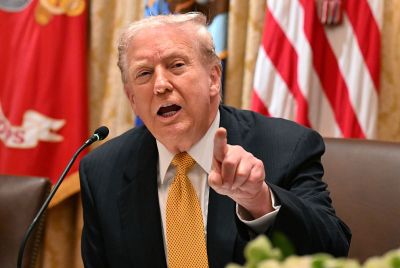
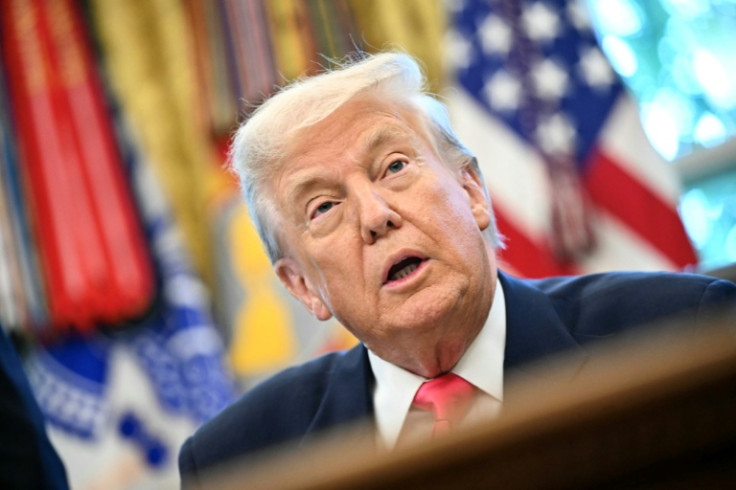
President Donald Trump addressed the situation on Wednesday, signaling a firm negotiating position. He rejected any perception of weakness or urgency driven by domestic politics.
"They thought they were gonna outwait me. You know, 'We'll outwait him. He's got the midterms.' I don't care about the midterms," Trump said during a cabinet meeting.
The White House dismissed Iranian claims of a potential memorandum of understanding that would ease port blockades in exchange for reopening the strait. Officials emphasized that any deal must include strict limitations on Iran's nuclear activities and regional proxy support.
Parallel Escalation in Lebanon
The developments coincided with fresh Israeli strikes on Hezbollah targets in southern Lebanon. The Israeli military reported operations against Hezbollah infrastructure in Tyre, north of Israeli-occupied zones. A deadly missile strike also hit an apartment building in Sidon, Lebanon's third-largest city.
Lebanese authorities reported intensified activity with strikes across more than 150 sites in recent days. The nominal ceasefire between Israel and Hezbollah, agreed last month, has seen near-daily violations. Health officials have recorded at least 3,269 deaths and 9,840 injuries in the broader conflict period.
Market and Global Repercussions
The renewed tensions contributed to immediate market reactions. Oil prices rose on concerns over potential disruptions to shipping lanes, while Asian equities, including Australia's S&P/ASX 200, declined amid risk-off sentiment. The Australian benchmark closed down 1.43 percent at 8,592.9.
Energy analysts warned that prolonged instability could exacerbate global inflationary pressures and affect supply chains already strained by earlier disruptions. Shipping companies have rerouted vessels, increasing costs for international trade.
Diplomatic Context
Despite the military exchanges, both sides have indicated that negotiations persist through intermediaries. The ceasefire, while imperfect, has prevented full-scale war since April, though sporadic incidents continue to erode trust.
U.S. officials characterized recent actions as limited and necessary to deter Iranian aggression, including drone activity and attempts to restrict navigation. Iran has maintained its right to respond while expressing readiness for talks under certain conditions.
International observers, including European diplomats, have called for restraint to avoid miscalculation that could draw in additional regional and global actors. Kuwait's involvement in intercepting projectiles highlights spillover risks to Gulf neighbors.
Iran's Military Posture
CNN analysis has highlighted Iran's efforts to disperse and protect its extensive missile arsenal amid ongoing threats. The country's Islamic Revolutionary Guard Corps plays a central role in both conventional and asymmetric responses in the region.
The latest incidents underscore the fragile nature of the current pause in hostilities. Analysts note that proxy networks, including Hezbollah in Lebanon, add layers of complexity to any potential comprehensive agreement.
Broader Regional Dynamics
The interconnected conflicts involving Iran, the United States, Israel and various militant groups have created a volatile environment. Progress toward de-escalation remains incremental, with core disputes over nuclear capabilities, regional influence and maritime security proving difficult to resolve.
For the United States, balancing military deterrence with diplomatic outreach reflects a strategy aimed at protecting allies and maintaining freedom of navigation without committing to open-ended conflict. For Iran, demonstrating resilience while signaling openness to talks serves both domestic and international audiences.
Economic and Humanitarian Toll
Beyond immediate security concerns, the situation carries significant humanitarian implications. Prolonged tensions have displaced populations, strained resources and complicated aid delivery across affected areas. In Lebanon, ongoing operations have compounded challenges for civilians already facing difficult conditions.
Economically, uncertainty around the Strait of Hormuz affects energy markets worldwide. Countries dependent on imported oil monitor developments closely, with potential ripple effects on inflation and growth forecasts.
Outlook and Next Steps
As Thursday progressed, attention focused on whether the tit-for-tat strikes would lead to further escalation or serve as a momentary pressure release within ongoing negotiations. Diplomatic channels remain active, though public statements from all parties reflect entrenched positions.
President Trump's comments suggest no immediate concessions, prioritizing strength in any eventual deal. Regional actors, including Gulf states, continue advocating for stability to protect economic interests and civilian safety.
The coming days will likely feature increased diplomatic activity as mediators seek to restore calm and prevent a return to broader hostilities. Markets and military forces alike will remain on heightened alert pending clearer signals of de-escalation.
The latest exchanges serve as a reminder of the region's persistent volatility. While the ceasefire has held in a limited sense, underlying issues continue to drive periodic flare-ups with global implications.
For now, the focus remains on containing the situation and advancing talks toward a more durable arrangement. International calls for restraint and renewed dialogue have grown louder as the world watches developments closely.
© Copyright 2026 IBTimes AU. All rights reserved.
- Recommended For You