Trump Warns of Renewed Strikes if Iran Fails to Honor 'Real' Ceasefire Deal
WASHINGTON — President Donald Trump warned Wednesday that U.S. military forces will remain positioned around Iran and stand ready to resume combat operations if Tehran fails to fully comply with what he called the "real agreement" reached in a fragile two-week ceasefire, as tensions over the Strait of Hormuz and ongoing regional strikes threaten to unravel the delicate truce.
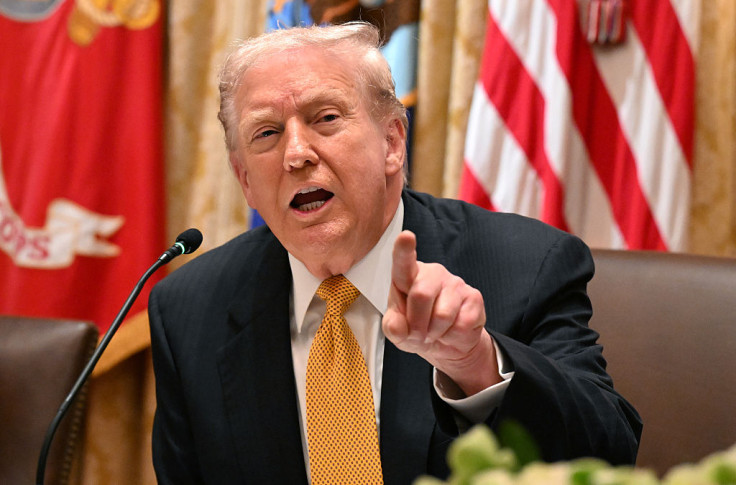
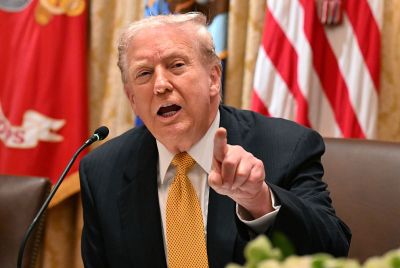
In a Truth Social post early Wednesday, Trump stated that all U.S. ships, aircraft and military personnel, along with additional ammunition and weaponry, would stay in place "until such time as the REAL AGREEMENT reached is fully complied with." He added a stark warning: "If for any reason it is not, which is highly unlikely, then the 'Shootin' Starts,' bigger, and better, and stronger than anyone has ever seen before."
The comments came less than 24 hours after Trump announced the two-week ceasefire with Iran on Tuesday evening, just hours before his self-imposed deadline for Tehran to reopen the Strait of Hormuz or face devastating strikes on Iranian infrastructure, including bridges and power plants. The agreement, which also involves Israel, was intended to pause more than a month of direct conflict that began in February 2026 and had escalated dramatically in recent weeks.
Trump had earlier escalated his rhetoric dramatically on Tuesday, warning that a "whole civilization will die tonight, never to be brought back again" if Iran did not meet his demands. He later pulled back from immediate action after what he described as a "workable" 10-point proposal from Iran, though he later dismissed some media reports of the plan's details as a "made up HOAX."
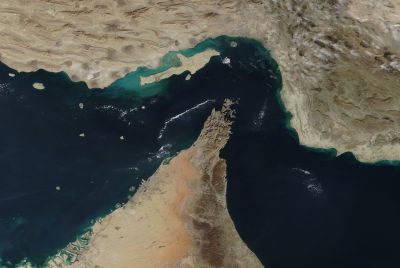
The ceasefire is contingent on the safe and complete reopening of the Strait of Hormuz, the narrow waterway through which roughly one-fifth of global oil supplies normally pass. Vessel traffic through the strait remained negligible as of Thursday morning, with shipping data showing hundreds of tankers still anchored or rerouted. Iranian media reported suspensions in tanker traffic, citing risks from possible sea mines and Israeli strikes on Lebanon, while the White House described such reports as "false."
Iranian officials offered mixed signals. Parliament Speaker Mohammad Bagher Qalibaf called negotiations with the U.S. "unreasonable" and accused Washington of violating several of Tehran's conditions for ending the fighting. Iranian state media suggested Tehran might formalize new tolls on ships passing through the strait, a move the White House has opposed.
Despite the public friction, both sides claimed elements of victory. Trump described the pause as allowing time to finalize a longer-term peace agreement in the Middle East, while Iranian statements framed the ceasefire as a successful stand against U.S. and Israeli pressure. Vice President JD Vance echoed the president's hard line, warning that failure to honor the deal would bring "serious consequences."
The fragile truce faces multiple challenges. Israel has continued operations against Hezbollah in Lebanon, which Iran views as a violation of the broader de-escalation spirit. Reports of new drone and missile activity in the Gulf region emerged shortly after the ceasefire announcement, though it remained unclear whether they breached the terms.
Background to the Escalation
The conflict intensified after U.S. and Israeli strikes targeted Iranian facilities earlier in 2026. Trump repeatedly framed the military campaign as highly successful, claiming U.S. forces had "met and exceeded all military objectives" and left Iran's capabilities "substantially degraded."
The Strait of Hormuz became the central flashpoint. When Iran restricted traffic in response to the strikes, global oil prices spiked before easing on ceasefire news. Major shipping companies have diverted vessels around the Cape of Good Hope or explored limited alternative pipelines, but full resumption of normal flows depends on verifiable safe passage.
Trump has emphasized that U.S. forces will not withdraw until compliance is assured. "We are helping with the traffic buildup in the Strait of Hormuz," he posted, adding that "there will be lots of positive action! Big money will be made."
International reactions have been cautious. Allies including the United Kingdom have offered to assist with reopening the strait, while analysts warn that any misstep could rapidly reignite direct hostilities. Some legal experts previously raised concerns that threats to destroy civilian infrastructure could violate international law, though the White House has denied plans involving nuclear weapons or indiscriminate attacks.
Market and Global Impact
Oil prices showed modest volatility Wednesday, with Brent crude rising more than 2% after earlier sharp declines on ceasefire hopes. Energy traders remain wary, monitoring both Hormuz traffic and any signs of renewed Iranian restrictions.
The ceasefire has also affected broader regional dynamics. Lebanon continues to see Israeli strikes, straining the agreement's scope. Gulf Arab states have expressed relief at the pause but remain concerned about long-term stability and potential Iranian retaliation through proxies.
What Comes Next
The two-week window is intended to allow negotiations, possibly beginning in Islamabad, to solidify a more permanent arrangement. Trump has signaled optimism about a "definitive Agreement concerning Longterm PEACE with Iran, and PEACE in the Middle East," while maintaining maximum military pressure as leverage.
Critics, including some Democrats in Congress and international observers, have condemned the apocalyptic tone of Trump's earlier statements. Supporters argue the tough approach forced Iran to the table after weeks of escalation.
For now, the situation remains fluid. Shipping companies await clear guidance on safe transit, naval forces stay on high alert, and diplomats work behind the scenes to prevent the ceasefire from collapsing within its first days.
Trump's latest warning serves as a reminder that while the immediate threat of wider war has receded, the path to lasting de-escalation is narrow and heavily conditioned on verifiable compliance — particularly the full reopening of the Strait of Hormuz. Any perceived violation, whether real or perceived, could trigger the renewed "shootin'" the president has promised would be unprecedented in scale.
As the ceasefire enters its second day, global markets, energy security and millions of lives in the region hang in the balance. The coming weeks will test whether the fragile agreement can hold or whether the region slides back into open conflict.
© Copyright 2026 IBTimes AU. All rights reserved.
- Recommended For You