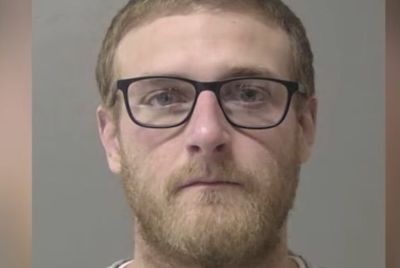
Victoria Cross Hero Ben Roberts-Smith Arrested on 5 War Crime Murder Charges in Afghanistan Case
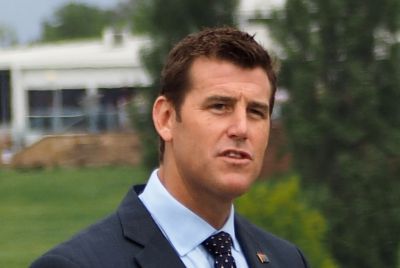
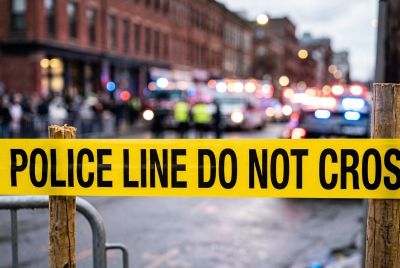
SYDNEY — Australia's most decorated living soldier, Victoria Cross recipient Ben Roberts-Smith, was arrested Tuesday at Sydney Airport and is expected to face five counts of the war crime of murder over the alleged unlawful killings of Afghan civilians and detainees between 2009 and 2012, the Australian Federal Police announced.
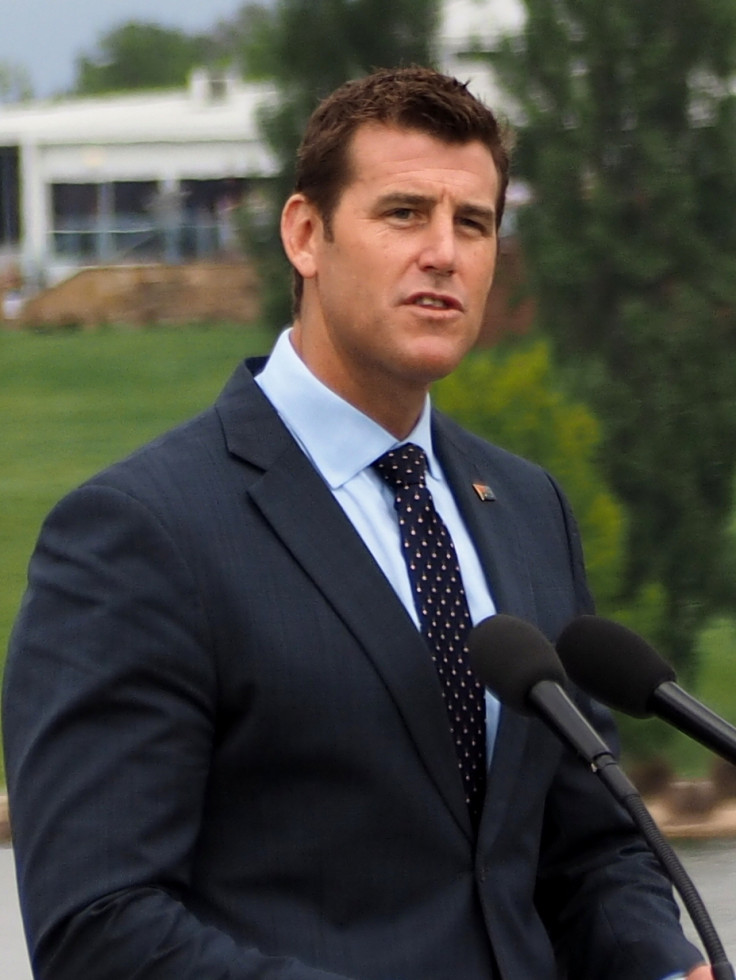
The 47-year-old former Special Air Service Regiment corporal was taken into custody upon arrival from Brisbane and is due to appear in a New South Wales court later Tuesday, AFP Commissioner Krissy Barrett said at a news conference. He faces a maximum penalty of life imprisonment if convicted.
The charges stem from a joint investigation by the AFP and the Office of the Special Investigator into alleged war crimes committed by Australian forces in Afghanistan. Police allege the victims were not taking part in hostilities at the time of the incidents in Uruzgan Province.
Specific allegations include one count that Roberts-Smith intentionally caused the death of a person on or about April 12, 2009, at Kakarak, and another that he aided, abetted, counselled or procured another person to cause a death on the same day and location. Three further counts relate to causing or procuring murders of civilians in Darwan and Syahchow, according to details released by authorities and reported across Australian media.
Roberts-Smith, who left the Australian Defence Force in 2013, has long denied any wrongdoing. He previously launched a high-profile defamation lawsuit against Nine newspapers over reports alleging he murdered unarmed prisoners and committed other breaches during his deployments. In 2023, a Federal Court judge ruled the newspapers' allegations were substantially true on the balance of probabilities, finding he was responsible for or complicit in four unlawful deaths.
An appeal against that ruling was dismissed in 2025, with the High Court declining further intervention in September 2025, clearing a path for criminal proceedings. The latest arrest marks a significant escalation after years of investigation following the landmark 2020 Inspector-General of the Australian Defence Force report, which identified credible evidence of 39 unlawful killings by Australian special forces.
The case has divided Australia, pitting admiration for Roberts-Smith's battlefield bravery against growing scrutiny of special forces conduct during the nation's longest war. He was awarded the Victoria Cross for Australia — the country's highest military honor — for "most conspicuous gallantry" in a 2010 battle at Tizak, where he charged enemy positions under heavy fire while carrying a wounded comrade and continued fighting despite injuries.
Before the allegations surfaced, Roberts-Smith was a national hero, featured prominently at the Australian War Memorial and in recruitment campaigns. He worked in corporate roles after leaving the military, including as a general manager for Seven West Media, but resigned in 2023 following the defamation loss.
Witnesses described the arrest Tuesday morning as swift, with plainclothes officers approaching Roberts-Smith on the tarmac or inside the terminal shortly after his flight landed. He was reportedly cooperative as he was led away.
AFP Commissioner Barrett described the investigation as "challenging," relying heavily on eyewitness testimony from fellow SAS members, forensic evidence and other materials gathered over five years. She emphasized that the alleged victims were unarmed and not participating in hostilities, underscoring the gravity of war crime classifications under the Commonwealth Criminal Code.
The developments come amid broader accountability efforts for Australian operations in Afghanistan from 2005 to 2016. Only a handful of soldiers have faced charges so far, with one former SAS trooper, Oliver Schulz, previously charged with a war crime murder in a separate 2012 incident.
Roberts-Smith's supporters, including some politicians like Pauline Hanson, have rallied to his defense, arguing he is being unfairly targeted and that the focus should remain on his service and valor. Critics, including veterans' groups and human rights advocates, say the charges represent a necessary reckoning with a "warrior culture" in elite units that allegedly tolerated or encouraged unlawful killings, sometimes as "blooding" initiations for new soldiers.
The 2020 Brereton report, which prompted the special investigator's office, painted a troubling picture of a small number of special forces members involved in unlawful deaths, often of prisoners or civilians. It recommended criminal investigations into 19 individuals. Roberts-Smith has maintained that his actions were lawful engagements in the heat of combat and that witnesses against him were motivated by personal grudges.
Legal experts say the criminal case will face a higher burden of proof — beyond reasonable doubt — compared to the civil defamation proceedings. Prosecutors will likely rely on testimony from former comrades who have already given evidence in the earlier trial, alongside any new material. Roberts-Smith is expected to plead not guilty, setting up what could become one of Australia's most closely watched trials in years.
The arrest has reignited national debate about how Australia honors its war dead and veterans while addressing potential misconduct. Some have called for the Australian War Memorial to review exhibits featuring Roberts-Smith, while others argue the presumption of innocence must prevail until a jury decides.
Prime Minister Anthony Albanese's office has been briefed but declined immediate detailed comment, stating the matter is before the courts. Defence Minister Richard Marles has previously stressed the importance of accountability without prejudging individual cases.
For many Australians, the saga represents a painful collision between national pride in military service and uncomfortable questions about the human cost of prolonged conflict in Afghanistan. The war claimed 41 Australian lives and left hundreds physically or psychologically scarred, yet the war crimes allegations have tainted the legacy of elite units once seen as untouchable.
Roberts-Smith's family has not issued a public statement Tuesday, though he has previously spoken of the toll the accusations have taken on his personal life, including the breakdown of his marriage and financial strain from legal battles.
As he prepares to face court, the former soldier who once embodied Australian military excellence now confronts the possibility of spending the rest of his life behind bars. The proceedings will test not only the strength of the evidence but also society's willingness to confront dark chapters in its recent military history.
The AFP urged anyone with further information to come forward, emphasizing the investigation remains active. Updates are expected as Roberts-Smith appears in court and formal charges are laid.
This case underscores the long shadow cast by Australia's involvement in Afghanistan and the painstaking work required to deliver justice decades after the events in question.
© Copyright 2026 IBTimes AU. All rights reserved.
- Recommended For You