Kuwait International Airport Resumes Partial Operations After Months-Long Closure
Kuwait International Airport has resumed partial operations after a two-month closure due to regional security concerns, restoring vital air links and boosting the national economy.

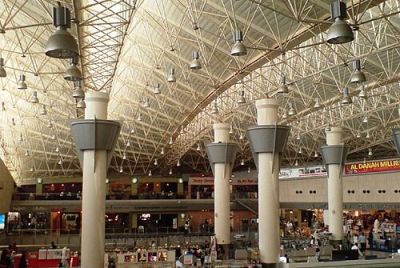
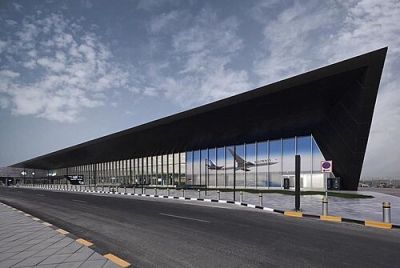
KUWAIT CITY — Kuwait International Airport remains only partially operational today, with just Terminals 4 and 5 handling a restricted number of flights as the facility continues its slow recovery from a two-month suspension triggered by regional security concerns and infrastructure damage.
The Directorate General of Civil Aviation (DGCA) has confirmed that only Kuwait Airways in Terminal 4 and Jazeera Airways in Terminal 5 are currently running limited services. Total daily flights — both departures and arrivals — are still below 100, far from the airport's normal capacity. Terminal 1, which sustained significant damage, remains closed for repairs with no reopening timeline announced.
Acting Director General of Civil Aviation Sheikh Hamoud Mubarak Al-Sabah described the current phase as a "careful and gradual return to service." "Safety remains our absolute priority," he said. "We are working methodically to restore operations while ensuring every flight meets the highest security and technical standards."
The airport's near-total closure, which lasted nearly eight weeks, severely disrupted Kuwait's connectivity. More than 200,000 passengers were affected, with many rerouted through Dubai, Doha and Riyadh. The national carrier Kuwait Airways operated a temporary dual-hub model from bases in other Gulf states during the suspension.
Jazeera Airways, the country's leading low-cost carrier, has centralized all its operations in Terminal 5 and is gradually rebuilding its schedule. A company spokesperson said the airline is "thrilled to be back home" but acknowledged the recovery is still in its early stages. Flights are currently limited to daytime hours between 6 a.m. and 6 p.m., with plans to expand toward 24-hour operations once infrastructure and staffing allow.
International carriers including Emirates and British Airways have resumed a small number of flights, but many routes remain suspended or operating at reduced frequencies. Passengers are being urged to check directly with airlines for real-time updates, as schedules remain highly fluid.
Economic Toll of the Prolonged Closure
The extended shutdown had a significant impact on Kuwait's economy. Aviation supports tourism, trade, finance and thousands of jobs. Businesses reliant on air cargo reported major losses, while the tourism sector saw sharp declines in visitor numbers during the peak spring travel period.
The reopening, even in limited form, brings some relief. However, with daily flight numbers still well below normal levels, full economic recovery is expected to take several more months. Officials anticipate a stronger rebound during the summer travel season if operations continue to scale up safely.
Security and Infrastructure Challenges
The closure was prompted by regional developments, including drone strikes and security threats that forced authorities to suspend operations as a precaution. Repairs to damaged infrastructure in Terminal 1 and enhanced security protocols across the airport have been major priorities.
Aviation experts note that Kuwait's experience highlights the vulnerability of critical infrastructure in geopolitically sensitive regions. The swift but cautious reopening reflects improved coordination among Gulf aviation authorities and a commitment to passenger safety.
Enhanced screening measures remain in place, leading to longer processing times at Terminals 4 and 5. Passengers are advised to arrive earlier than usual and to check flight statuses multiple times before heading to the airport.
Passenger and Industry Reactions
Travelers have expressed a mix of relief and frustration. Many Kuwaiti and expatriate residents welcomed the partial return of flights on social media, with posts celebrating the ability to fly directly again. However, others voiced disappointment over limited destinations and ongoing schedule uncertainties.
Aviation industry analysts view the current situation as a positive but incomplete step. "Kuwait's quick decision to resume limited operations shows resilience," said one regional aviation consultant. "However, full recovery will depend on completing repairs to Terminal 1 and restoring confidence among international carriers."
The DGCA continues to work closely with airlines and international partners to expand the flight schedule safely. Officials say they are prioritizing routes with the highest demand while maintaining strict safety standards.
Looking Ahead for Kuwait Aviation
With Terminals 4 and 5 now semi-operational, authorities are focusing on scaling up capacity and preparing Terminal 1 for eventual reopening. Long-term development plans for the airport, including modernization projects, remain active and are expected to support future growth once full operations resume.
The incident has also prompted broader discussions about aviation resilience in the Gulf region. Neighboring countries provided support during the closure, strengthening ties among regional aviation authorities.
For travelers planning to use Kuwait International Airport in the coming weeks, the advice is clear: verify all flight details directly with airlines, allow extra time for security procedures, and remain flexible as schedules continue to evolve.
As flights slowly return and passengers begin to reconnect with the world, Kuwait International Airport's partial reopening marks an important step toward normalcy. While challenges remain and full capacity is still some time away, today's limited operations represent progress and renewed hope for Kuwait's aviation sector and broader economy.
The skies above Kuwait are once again seeing increasing activity, symbolizing resilience and a cautious but determined return to connectivity after a difficult period. Officials and airlines alike are committed to restoring full service as safely and quickly as conditions allow.
© Copyright 2026 IBTimes AU. All rights reserved.
- Recommended For You