Kuwait International Airport Remains Closed Amid Repairs as New Terminal 2 Targets Late 2026 Opening
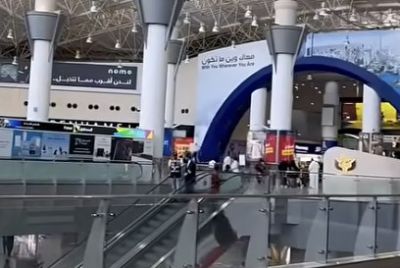
KUWAIT CITY — Kuwait International Airport did not open for regular passenger operations on Friday despite circulating online speculation, with authorities confirming that existing terminals stay closed while the ambitious new Terminal 2 project advances toward a targeted completion in the final quarter of 2026.

The Directorate General of Civil Aviation has repeatedly urged the public to rely only on official channels for updates, denying unverified claims about imminent reopenings or partial operations at terminals including Jazeera Airways' facility. As of April 17, 2026, all main passenger terminals — T1, T4 and T5 — remain shuttered following damage from regional drone strikes earlier in the year, forcing carriers like Kuwait Airways and Jazeera Airways to reroute services through Saudi Arabia's King Fahd International Airport in Dammam.
Travelers continue to face significant disruptions, with bus transfers arranged for limited flights operating from the Saudi facility, a journey of about four-and-a-half hours by road. National carriers have resumed some routes to destinations in India and the United Arab Emirates via alternative gateways, but full resumption at Kuwait International Airport awaits safety assessments, infrastructure repairs and official clearance.
The closure, now stretching several weeks, stems from incidents that affected radar systems, fuel storage and structural elements at the existing airport. Officials have emphasized that any decisions on resuming flights will be announced formally, countering social media rumors that have caused confusion among passengers and the public.
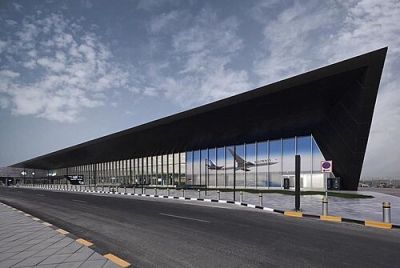
Meanwhile, attention has shifted to the long-term modernization effort centered on the new Terminal 2, a flagship $4.3 billion to $5.8 billion project designed to transform Kuwait into a competitive regional aviation hub. Designed by the renowned firm Foster + Partners and constructed primarily by Turkey's Limak İnşaat, the massive 700,000 to 750,000 square-meter facility aims to handle up to 25 million passengers annually once fully operational.
Construction on Terminal 2, which began in 2017, has reached advanced stages, with progress reported at around 70% to 81% in late 2025 depending on the specific metrics tracked by government agencies. The Central Agency for Public Tenders has set a firm deadline of Nov. 30, 2026, for completion of all civil works, paving the way for systems integration, testing and eventual passenger services in the last quarter of the year.
The terminal features a striking architectural design with a tri-wing concrete-shell roof, extensive glazed openings to maximize natural light while managing the intense desert sun, and sustainable elements targeting LEED Gold certification. Planners have incorporated cultural touches, including a refreshing waterfall feature in the baggage claim area, to create an elegant first impression reflecting Kuwaiti hospitality.
Key infrastructure components already delivered as part of the broader modernization program include a new 4.58-kilometer third runway and a 70-meter-tall air traffic control tower, both opened in late 2025 to boost capacity even before the main terminal comes online. Additional elements under construction encompass a central power building, water storage facilities, security structures, electrical substations and a 3.5-kilometer utility tunnel connecting the terminal to supporting systems.
Once operational, Terminal 2 is expected to significantly enhance Kuwait's connectivity, positioning the country to compete with established Gulf hubs in Dubai, Doha and Abu Dhabi for long-haul transfer traffic and business travel. The project forms the cornerstone of a comprehensive $5.8 billion airport expansion initiative aimed at modernizing facilities, improving passenger experience and increasing state revenue from aviation and logistics.
Experts highlight the terminal's focus on sustainability and efficiency, including explosion-proof facades suited to the regional environment, advanced baggage handling systems and spacious layouts to reduce congestion. The design emphasizes passenger comfort with state-of-the-art amenities, technology integration for seamless check-in and security processes, and provisions for future growth.
Delays have plagued the project over the years, with the original target dates pushed back multiple times from earlier expectations around 2022 or 2025. Officials and contractors have attributed setbacks to technical challenges, supply chain issues and the scale of the undertaking, but recent statements affirm commitment to the November 2026 civil works deadline.
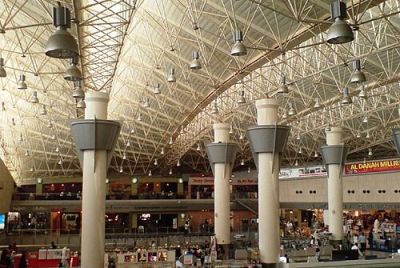
The existing airport, which has served Kuwait since the 1960s with incremental expansions, currently operates with limited terminals while T2 rises on the site. Terminal 3 was permanently closed to facilitate construction, and damage from recent events has further constrained capacity at the older facilities.
Regional geopolitical tensions contributed to the current closure, with airspace restrictions and infrastructure impacts forcing a temporary pivot to neighboring countries. Bahrain, Iraq and Israel reopened or partially restored their airspaces following a temporary ceasefire agreement in early April, raising hopes for Kuwait, but authorities have cautioned against premature optimism.
Jazeera Airways' CEO has publicly stated that the airline's dedicated terminal is fully prepared and ready to resume operations as soon as airspace and airport clearance is granted, underscoring the readiness of some components despite the broader shutdown.
For ordinary travelers, the situation has meant canceled or rerouted flights, with thousands affected since the disruptions began. Airlines have worked to accommodate passengers through alternative routes, but the inconvenience has highlighted the strategic importance of completing the new terminal to build resilience against future incidents.
Economists and aviation analysts view the Terminal 2 project as vital for Kuwait's economic diversification efforts beyond oil, potentially spurring tourism, trade and foreign investment. Enhanced capacity could support more international routes, cargo operations and even private aviation growth in the Gulf region.
The government has maintained oversight through bodies like the Government Performance Monitoring Agency, which has tracked progress closely. Public updates emphasize transparency and the project's role in elevating Kuwait's global profile.
As construction continues, workers focus on interior fit-outs, mechanical and electrical systems, and integration of cutting-edge aviation technology. Trial operations and certification processes will follow civil completion, ensuring the facility meets international safety and operational standards before welcoming its first passengers.
Looking ahead, successful delivery of Terminal 2 could mark a new chapter for Kuwaiti aviation, reducing reliance on older infrastructure and providing a modern gateway befitting the nation's ambitions. In the interim, authorities continue repairs at the current airport while urging patience and verification of information from credible sources.
Travelers planning trips to or from Kuwait are advised to check with their airlines for the latest arrangements and monitor official announcements from the Directorate General of Civil Aviation. Limited services via Dammam are expected to continue until normal operations can safely resume at home.
The new terminal's eventual opening will not only restore full capacity but aim to exceed it, equipping Kuwait International Airport with facilities capable of handling growing demand well into the future. With its blend of innovative design, sustainability and scale, the project stands as one of the most significant infrastructure endeavors in the Gulf in recent years.
While today brought no reopening, the steady progress on Terminal 2 offers a clear horizon for recovery and expansion. Kuwait's aviation sector remains focused on resilience in the short term and visionary growth in the long term, as the desert nation prepares to unveil its futuristic new gateway late next year.
© Copyright 2026 IBTimes AU. All rights reserved.
- Recommended For You