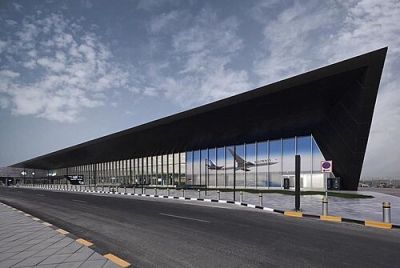
Kuwait International Airport Not Open Today April 3 2026: Remains Closed After Drone Strikes and Damage
KUWAIT CITY — Kuwait International Airport (KWI) remained closed to regular commercial passenger and most cargo flights on Friday, April 3, 2026, as authorities continued safety assessments and repairs following multiple drone attacks that damaged radar systems, fuel storage facilities and other infrastructure amid escalating regional tensions.

The Directorate General of Civil Aviation and the Public Authority for Civil Aviation have not announced any reopening timeline, leaving thousands of travelers stranded or forced to make alternative arrangements. Official flight status pages on the airport website showed no scheduled commercial operations, with messages indicating "no flights found" for arrivals and departures on April 3.
The closure, which began in late February and was compounded by further incidents in March, stems from a series of drone strikes linked to the ongoing U.S.-Iran conflict. Attacks damaged critical radar equipment on March 28 and struck fuel storage tanks on or around April 1, causing fires that required extended firefighting efforts. No casualties were reported in the incidents, but the physical damage has rendered normal operations impossible for the time being.
Kuwait Airways and other carriers have suspended or heavily curtailed services to and from Kuwait City. Some limited operations have shifted to nearby alternatives such as Dammam in Saudi Arabia, where Kuwait Airways resumed a small number of flights to London, Cairo and Istanbul in late March and early April. Passengers holding bookings are being advised to contact airlines for rebooking options, with many offered bus transfers or rerouting through other Gulf hubs.
Impact on Travelers and Airlines
The prolonged shutdown has created significant hardship for passengers. Hundreds of flights have been canceled since late February, affecting routes to major destinations including London, New York, Dubai, Cairo, Istanbul and Asian cities. Kuwait Airways, the national carrier, has issued repeated notices urging travelers to check with local offices or the airport for updates. Many international airlines, including British Airways, Lufthansa, Air India and others, have extended suspensions or rerouted services.
Travelers already in Kuwait or planning trips have been urged to explore overland options through Saudi Arabia or use neighboring airports in Bahrain, Qatar or the UAE where possible. Some airlines have arranged special repatriation or evacuation flights under strict security protocols, but these remain limited in number and capacity.
The economic ripple effects are substantial. Kuwait International Airport normally handles millions of passengers annually and serves as an important regional transit point. The aviation sector contributes significantly to the country's economy, and prolonged closure is affecting tourism, business travel and expatriate movements.
Security and Repair Efforts
Kuwaiti authorities have described the drone attacks as deliberate strikes on civilian infrastructure, with some reports attributing them to Iranian-linked groups. The Civil Aviation Authority has coordinated with military and emergency services to secure the site, extinguish fires and assess structural damage. Radar systems, essential for safe air traffic control, suffered significant damage in one attack, further complicating any quick resumption of flights.
Cabinet-level meetings have focused on aviation recovery, economic safeguards and coordination with international partners. Officials stress that reopening will occur only after comprehensive safety inspections, repairs to damaged facilities and clearance of Kuwait's airspace. Experts estimate that full restoration could take weeks or even months, depending on the extent of repairs needed and the broader security situation in the region.
Regional Aviation Context
The situation at Kuwait International Airport mirrors challenges faced by other Gulf aviation hubs amid the conflict. Several countries have imposed temporary airspace restrictions, leading to rerouting of flights, increased costs and reduced connectivity. Neighboring airports in Dubai, Abu Dhabi, Doha and Dammam have absorbed some diverted traffic, but capacity constraints and insurance issues for flights over certain areas continue to complicate operations.
Kuwait's closure has placed additional pressure on alternative routes and airports, with some carriers reporting higher demand for flights into Dammam or other nearby facilities.
Long-Term Outlook and Recovery Plans
Despite the current crisis, Kuwait maintains ambitious plans for its aviation sector. Terminal 2 at Kuwait International Airport, currently under construction, is part of a larger expansion project aimed at increasing capacity to 25 million passengers annually. Officials hope that once the security situation stabilizes, these developments will help the airport rebound strongly.
In the interim, the government is working to support affected airlines, passengers and businesses. Compensation schemes, rebooking assistance and potential financial aid for the aviation sector are under discussion.
For travelers planning journeys involving Kuwait, the advice remains unchanged: do not travel to the airport without confirmed flight details from your airline. Check official sources, including the Kuwait Airports website, airline apps and the Directorate General of Civil Aviation for the latest updates. Passengers with existing bookings should contact their carrier immediately to explore rebooking, refund or alternative routing options.
As of April 3, 2026, Kuwait International Airport is not open for normal commercial operations. While limited special flights may occur under exceptional circumstances, the vast majority of scheduled passenger services remain suspended. Authorities continue to monitor the situation closely, with hopes that diplomatic progress and completed repairs will allow a safe and gradual resumption of services in the coming weeks.
The closure serves as a stark reminder of how geopolitical tensions can rapidly disrupt global travel networks, even in major hubs that normally operate with high efficiency and volume. Travelers and businesses affected by the shutdown are encouraged to remain patient and flexible as the situation evolves.
© Copyright 2026 IBTimes AU. All rights reserved.
- Recommended For You