Kuwait Airport Reopening Delayed Indefinitely as Safety Checks Continue Amid Regional Tensions
KUWAIT CITY — Kuwait International Airport remains closed to all commercial passenger flights as of April 23, with no official reopening date announced despite high-level government inspections and growing frustration among travelers and airlines.

The Directorate General of Civil Aviation has repeatedly denied rumors of an imminent resumption, stressing that operations will restart only after full safety clearances, infrastructure repairs and regional airspace approvals are completed. The airport has been shuttered since Feb. 28, when drone strikes linked to the broader U.S.-Iran conflict damaged fuel depots, radar systems and other facilities, forcing a complete suspension of civilian flights.
Prime Minister Sheikh Ahmad Abdullah Al-Ahmad Al-Sabah visited the airport on April 19 accompanied by the defense minister and the head of civil aviation. During the tour, officials briefed him on reopening plans, safety measures and readiness protocols. The prime minister emphasized the need for thorough coordination to ensure smooth operations once conditions allow, but stopped short of setting any timeline. State media described the visit as focused on final preparations, yet aviation authorities later clarified that no decision on resumption had been issued.
Aviation experts and travel analysts now estimate a gradual reopening could begin in late May or early June at the earliest, though some caution that full normalcy might not return until later in the summer. The delay stems from ongoing technical evaluations, structural assessments and the need for formal clearance amid lingering security concerns in the region, even after a fragile ceasefire took hold in early April.
Kuwait is currently the only Gulf Cooperation Council country without an operational international airport. Neighboring nations including Bahrain, Qatar and the United Arab Emirates have restored varying levels of service, leaving Kuwaiti travelers to rely on alternative routes. Kuwait Airways has shifted many operations to a temporary hub at King Fahd International Airport in Dammam, Saudi Arabia, with ground transfers arranged for passengers. Jazeera Airways and other carriers have similarly adjusted schedules or offered rebooking options through Dubai, Doha and other hubs.
The prolonged closure has created significant disruptions. Thousands of expatriate workers, business travelers and families have been forced to reroute, often facing higher costs and longer journeys. Freight operations have also suffered, with chilled goods and medical supplies experiencing extended delays. Exporters and importers report added logistical challenges as shipments are trucked across borders.
Damage from the February strikes included impacts to fuel storage and navigation equipment, necessitating detailed inspections and repairs. Authorities have prioritized safety, rejecting any rushed reopening that could compromise passenger security. The Civil Aviation Authority has urged the public to ignore unverified social media claims, noting that official announcements will come only through approved channels.
Regional tensions tied to the U.S.-Iran confrontation triggered the initial closure and subsequent incidents. While a ceasefire extension has reduced large-scale hostilities, sporadic concerns over airspace safety persist. Kuwaiti officials maintain that reopening depends on confirmed stability, completed repairs and coordination with international aviation bodies.
For travelers holding tickets to or from Kuwait, airlines recommend checking directly with carriers for updates. Many flights remain canceled or rerouted through April 30 and beyond. Passengers are advised to monitor official DGCA statements and airline apps for the latest information.
The economic impact on Kuwait has been notable. The aviation sector supports tourism, business connectivity and the movement of the large expatriate population. Hotels, ground transport and related services have seen reduced activity, while airlines face revenue losses from suspended routes.
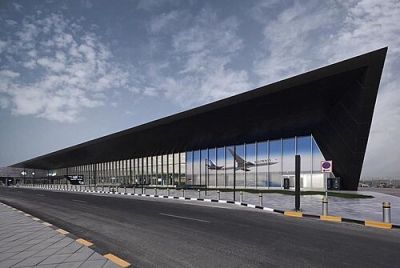
New Terminal 2 at the airport, a major modernization project designed by Foster + Partners, was already targeted for full operations in late 2026 and remains unaffected by the current closure. That long-term upgrade aims to position Kuwait as a stronger regional hub, but short-term recovery focuses on restoring existing facilities.
As April 23 approached without fresh announcements, speculation continued online, only for authorities to push back firmly. The prime minister's visit fueled hopes of progress, yet the absence of a concrete date underscores the cautious approach being taken.
Travelers planning trips are encouraged to explore alternatives such as flying into Dammam or other nearby airports with onward road or connecting flights. Insurance providers have reminded policyholders to review coverage for disruptions caused by geopolitical events.
Looking ahead, any reopening is expected to be phased, beginning with limited flights and ramping up as confidence in safety grows. Full restoration of pre-closure schedules could take weeks or months depending on how quickly assessments conclude and demand rebounds.
Kuwait Airways and Jazeera Airways have signaled readiness to resume once clearance is granted, with both carriers preparing staff and aircraft for a return to normal operations. International partners are also monitoring the situation closely for potential schedule adjustments.
The situation highlights the vulnerability of aviation infrastructure in conflict zones and the ripple effects across the Gulf. While optimism exists that calm skies will allow a return to service, officials continue to prioritize safety over speed.
Until an official date is confirmed, Kuwait International Airport stays offline, leaving passengers to adapt and authorities to complete the meticulous work required for a secure restart. Updates will be critical in the coming weeks as repairs advance and regional dynamics evolve.
© Copyright 2026 IBTimes AU. All rights reserved.
- Recommended For You