Kuwait International Airport Remains Closed to Commercial Flights Amid Regional Tensions

KUWAIT CITY — Kuwait International Airport stayed shuttered Monday with no commercial passenger flights operating, as the Directorate General of Civil Aviation continued to deny rumors of an imminent reopening and cited persistent security concerns tied to the broader U.S.-Iran conflict. Travelers hoping to fly in or out of the Gulf nation on April 13, 2026, faced continued disruption more than six weeks after the facility first suspended normal operations.
The airport, officially known as Kuwait International Airport (KWI), has been closed to regular commercial traffic since February 28, 2026, when authorities grounded flights amid escalating missile and drone threats across the region. Multiple attacks, including drone strikes on fuel tanks and radar systems in late March, caused fires and infrastructure damage that further complicated any quick resumption of services.
Directorate General of Civil Aviation (DGCA) spokesperson Abdullah Al-Rajhi reiterated Thursday that no official approvals have been issued for restarting flights. He dismissed social media claims suggesting a resumption, urging the public to rely only on verified government channels. As of Monday, departure and arrival boards on the official airport website showed no scheduled commercial movements, with messages indicating "no flights found."
The closure stems directly from the Iran conflict that erupted in late February. Iranian forces launched missile and drone barrages targeting Gulf states in retaliation for U.S. and Israeli strikes, including the assassination of Supreme Leader Ali Khamenei. Kuwait, home to major U.S. military assets and a key logistics hub, found itself in the crossfire. A drone strike on March 24 hit a fuel storage tank at the airport, sparking a visible fire but causing no casualties. Another reported attack days later damaged radar infrastructure.
Even after a fragile two-week ceasefire took effect around April 8, Kuwaiti airspace and the airport remained closed. U.S. Embassy security alerts advised American citizens to shelter in place earlier in the month and explore overland routes to Saudi Arabia's Dammam Airport for onward flights. Commercial aviation authorities have not announced a timeline for safe reopening, citing ongoing assessments of damage and threat levels.
Kuwait Airways and Jazeera Airways, the country's main carriers, have postponed or canceled all flights originating from or destined for KWI. Kuwait Airways has redirected some international routes through Dammam in Saudi Arabia, where passengers complete check-in procedures at Al Khiran Mall before busing across the border. The airline has issued refunds or rebooking options for affected tickets, particularly those in March and April.
The economic and humanitarian impact has been significant. Kuwait hosts a large expatriate workforce, including hundreds of thousands from India, the Philippines, Egypt and other countries. Many foreign workers and residents have been stranded, relying on limited overland options or rerouting through open hubs such as Dubai, Doha or Bahrain. Freight operations for essential goods, including medical supplies and food, have shifted to road transport or alternative ports, driving up costs and delays.
Regional aviation has adapted unevenly. While some Gulf carriers resumed limited services elsewhere, Kuwait's closure has compounded pressure on neighboring airports. Airlines report capacity strains as passengers reroute, and insurance premiums for flights near the conflict zone remain elevated. The International Air Transport Association has called for coordinated regional efforts to restore connectivity once security conditions permit.
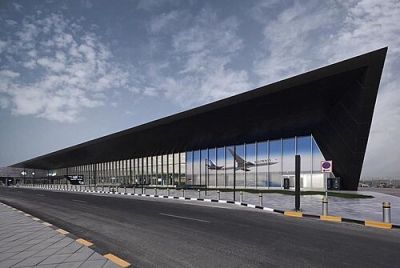
Kuwait's government has emphasized passenger safety above all. Officials note that repairs to damaged fuel facilities, radar systems and terminal infrastructure could take weeks or months. The airport's expansion projects, including a new terminal designed to handle up to 25 million passengers annually, were already underway before the crisis; those long-term plans now face additional setbacks.
Travelers checking "Kuwait International Airport open today" on search engines or flight trackers receive consistent advisories: the facility is not operational for commercial flights. Flight status websites such as FlightStats and the official airport portal confirm low or zero activity, with any rare movements limited to military, humanitarian or evacuation-related flights not open to the public.
The broader context involves the Strait of Hormuz disruptions and oil price volatility that have gripped global markets. Kuwait, a major oil exporter, has seen its energy infrastructure indirectly affected by the same regional instability. A full reopening of KWI would signal improving conditions, but analysts caution that any resumption must include thorough safety evaluations and de-escalation guarantees.
For those with existing bookings, airlines recommend contacting customer service directly. Many carriers have extended flexible rebooking policies through at least the end of April. Passengers are advised to monitor the DGCA website, Kuwait Airways announcements and embassy alerts for the latest guidance.
The situation has drawn international attention. Embassies from the United States, Australia and other nations have updated travel advisories, warning citizens against non-essential travel to Kuwait and recommending alternative departure routes. Overland travel to Saudi Arabia has become a primary option for those needing to leave urgently, though it requires valid visas and carries its own logistical challenges.
Inside Kuwait, daily life continues under heightened security protocols. The Ministry of Interior had previously urged residents to shelter during specific threat windows, but routine activities have largely resumed outside aviation. However, the absence of air links has isolated the country somewhat from global travel networks, affecting business, tourism and family visits.
Experts say the closure highlights the vulnerability of Gulf aviation to geopolitical shocks. Despite advanced infrastructure and a strategic location, reliance on a single major international gateway leaves the system exposed. Long-term, Kuwait may accelerate diversification of air routes and invest further in resilience measures.
As Monday afternoon local time approached with no change in status, airport authorities reiterated their commitment to transparency. Updates will come through official channels only, they stressed, amid a flood of unverified social media posts fueling false hope among stranded passengers.
The human stories behind the statistics are numerous. Families separated by the closure share frustrations online. Business travelers report canceled meetings and lost opportunities. Migrant workers worry about remittances and job security when return flights remain uncertain.
Looking ahead, any reopening will likely occur in phases. Initial limited flights for repatriation or essential travel could precede full commercial resumption. Safety certifications, airspace coordination with neighbors and damage repairs will dictate the pace. The fragile U.S.-Iran ceasefire, now under strain with new naval actions in the Strait of Hormuz, adds another layer of uncertainty.
For now, Kuwait International Airport stands quiet. Runways that once bustled with hundreds of daily flights see minimal activity. Terminal halls, normally filled with travelers, remain largely empty except for essential staff conducting assessments.
Travelers planning trips involving Kuwait are urged to explore alternatives and build flexibility into itineraries. Checking airline apps, official government sites and reputable news sources remains the best defense against rapidly changing developments.
The crisis serves as a reminder of how interconnected global travel is — and how quickly conflict can ground dreams of departure or arrival. As diplomats work behind the scenes and engineers survey damage, passengers worldwide wait for the moment when Kuwait's skies reopen and normalcy returns to one of the Gulf's key aviation hubs.
Until that day, the answer to "Is Kuwait International Airport open today?" remains a clear and consistent no for commercial flights, with authorities focused on security, repairs and the safety of all who depend on the gateway.
© Copyright 2026 IBTimes AU. All rights reserved.
- Recommended For You