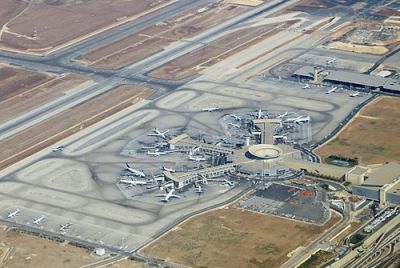
Kuwait International Airport Remains Closed April 2026: No Commercial Flights as Security Concerns Persist
KUWAIT CITY — Kuwait International Airport (KWI) remained closed to all regular commercial passenger flights as of Sunday, April 12, 2026, with the Directorate General of Civil Aviation (DGCA) continuing to deny widespread rumors of an imminent reopening.

The airport has been shuttered since Feb. 28, 2026, due to ongoing political and security concerns in the region, including tensions linked to broader Middle East conflicts and reported drone activity that prompted precautionary measures. Officials have repeatedly stressed that no official approvals for resuming operations have been granted, urging travelers to rely solely on verified government channels for updates.
DGCA spokesperson Abdullah Al-Rajhi addressed the latest wave of misinformation on Thursday, explicitly debunking social media claims — including some falsely attributed to airlines — that suggested flights would restart. "The information is incorrect," Al-Rajhi stated, according to reports from Arab Times and other regional outlets. "No decision has been made regarding the reopening of air traffic, and updates will be announced through official communication channels only."
The official airport website reflected the shutdown, with both arrivals and departures pages showing no scheduled flights and a message indicating no results could be found for current searches. Kuwait Airways and other carriers advised passengers to contact local offices for the latest information on booked flights, with many April services eligible for refunds or rebooking.
Background of the Closure
The suspension began on Feb. 28 amid escalating regional instability. Authorities cited safety risks to passengers, crew and aircraft as the primary reason for closing Kuwaiti airspace to commercial operations. Subsequent incidents, including reported drone strikes in late March that damaged radar systems and infrastructure, further extended the closure indefinitely.
Even after a U.S.-Iran ceasefire announced around April 7, the airport stayed shut. Safety assessments and repairs to affected facilities are ongoing, with no confirmed timeline for reopening. Experts estimate that full restoration of normal operations could take weeks or months, depending on the extent of any physical damage and the evolving security environment.
Kuwait's strategic location in the Gulf makes its airspace critical for regional connectivity, but officials have prioritized caution over speed. Limited cargo or special flights may have operated under strict protocols, but regular passenger services — including those by Kuwait Airways, Jazeera Airways and international carriers — remain suspended.
Impact on Travelers and Airlines
The prolonged closure has disrupted thousands of passengers, with ripple effects across the Gulf and beyond. Travelers with bookings in April have faced widespread cancellations, forcing many to seek alternatives via neighboring hubs such as Dammam in Saudi Arabia or Bahrain International Airport. Airlines have offered full refunds or rebooking options, but options remain limited as demand surges for rerouting.
Social media has been flooded with frustration from expatriates, business travelers and families. Posts seeking clarity on when flights might resume have gone viral, often accompanied by unverified claims that authorities have had to repeatedly refute. Kuwaiti authorities have warned against relying on unofficial sources, emphasizing that misleading information causes unnecessary confusion and anxiety.
Kuwait Airways issued passenger notices directing customers to monitor official updates. Similar advisories came from other carriers operating routes to Dubai, Riyadh, Doha, London and Indian cities. Some reports noted nine or more additional cancellations in early April tied to the ongoing airspace restrictions, compounding the hardship for those already affected.
The economic impact extends to tourism, business and the local aviation sector. Kuwait serves as an important transit point for routes between Europe, Asia and the Middle East, and the shutdown has forced airlines to adjust networks, adding costs and inconvenience for passengers.
Official Response and Safety Priorities
The DGCA has maintained a firm stance on transparency. In multiple statements this month, officials reaffirmed their commitment to passenger safety and said decisions on reopening would be based solely on thorough risk assessments. Repairs to any damaged infrastructure, combined with enhanced security protocols, remain prerequisites for resuming operations.
Prime Minister and other government figures have been briefed on the situation, with emphasis placed on coordinating with regional partners. While some optimism emerged after the recent ceasefire, authorities have cautioned that stability must be sustained before commercial flights can safely return.
Travelers planning trips to or through Kuwait are strongly advised to:
- Check the official Kuwait Airport website and DGCA channels regularly
- Contact their airline directly for booking-specific advice
- Consider flexible travel insurance that covers disruptions from force majeure events
- Explore alternative routes via open neighboring airports
Broader Regional Aviation Context
Kuwait's situation reflects wider challenges in Gulf aviation amid periodic geopolitical flare-ups. Neighboring countries have experienced temporary disruptions as well, though many have managed to maintain limited operations or quick recoveries. Kuwait's decision to fully suspend activities underscores a conservative approach to risk management in an era of advanced drone and missile threats.
Industry analysts note that once the airport reopens, a phased resumption is likely, starting with domestic or short-haul flights before scaling to full international schedules. Airlines are reportedly prepared to restart services quickly once approvals are granted, but passenger confidence and operational readiness will take time to rebuild.
As of Sunday afternoon local time, flight tracking platforms such as Flightradar24 and FlightAware showed no commercial activity at KWI, consistent with official reports. Weather conditions were not a factor in the closure, which stems entirely from security considerations.
For now, Kuwait International Airport remains closed, with no commercial flights operating. The DGCA continues to monitor the situation closely and has promised timely updates when conditions allow for safe resumption of services.
Travelers affected by the shutdown are encouraged to remain patient and prioritize verified information sources. The aviation authorities' repeated calls for caution reflect the high stakes involved in ensuring the safety of all who use Kuwait's airspace.
While the exact date for reopening remains uncertain, officials maintain that safety will not be compromised for the sake of expediency. In the meantime, the region's travelers continue to adapt, with many rerouting through alternative gateways in the Gulf.
© Copyright 2026 IBTimes AU. All rights reserved.
- Recommended For You