Is Bahrain International Airport Open? Airport Remains Closed on Easter Sunday 2026
Bahrain — Bahrain International Airport stayed closed to all commercial flight operations on Easter Sunday, April 5, 2026, as the kingdom's airspace remained fully shut down under orders from the Bahrain Civil Aviation Affairs for safety reasons tied to ongoing regional conflict.

The official airport website and flight information pages continued to display clear notices stating that all arrivals and departures are suspended. No flights operated in or out of the facility, with live trackers such as FlightStats and Flightradar24 showing zero scheduled activity. Travelers hoping to fly on the holiday faced continued uncertainty as the suspension, which began in early March, showed no signs of immediate reversal.
Authorities have maintained the closure to prioritize passenger and crew safety amid heightened security threats in the Gulf. The measure stems from broader geopolitical tensions, including reported Iranian missile and drone activity targeting energy and infrastructure sites across the region, with incidents affecting Bahrain and neighboring countries in recent weeks. Civil defense teams responded to related fires and incidents, though officials emphasized that airport infrastructure itself sustained no major operational damage.
Bahrain Airport Company and the Civil Aviation Affairs have repeatedly updated the public via the airport's website, social media and news releases. The latest statements confirm: "Flight operations remain temporarily suspended due to the closure of Bahrain's airspace, as mandated by the Bahrain Civil Aviation Affairs. This measure is in place to ensure the highest level of safety for our passengers and employees."
Gulf Air, the national carrier, has shifted operations to King Fahd International Airport in Dammam, Saudi Arabia, as a temporary hub. The airline extended these alternative flights through late April 2026 for several routes, including services to London, Mumbai, Nairobi, Cairo and other destinations. Passengers receive ground transport support between Bahrain and Dammam, along with rebooking options or refunds without penalty for affected tickets. Many other carriers have issued similar waivers, allowing changes or cancellations through mid-April or later.
Flight tracking sites and third-party monitors like Skyscanner and Trip.com reflected the shutdown, with departure and arrival boards either empty or noting widespread cancellations. Some older scheduled listings appeared as delayed or canceled, but real-time data confirmed no commercial movements at Bahrain International Airport (BAH).
The suspension has stranded or disrupted thousands of travelers since early March, when the airspace first closed. At its peak, hundreds of flights faced cancellation in a single day, with Bahrain repeatedly ranking among the hardest-hit airports in the Gulf. Ripple effects reached airlines including Emirates, Qatar Airways and Saudia, forcing reroutes and schedule adjustments across the Middle East.
For those with upcoming travel, authorities strongly advise contacting airlines directly rather than heading to the airport. Rebooking is available for travel dates extending into June in many cases, and refunds are offered for bookings made before certain cutoff dates in March. Passengers should monitor official channels — the Bahrain Airport website (bahrainairport.bh), Gulf Air and the Civil Aviation Affairs — for any developments.
Regional context has fueled the prolonged closure. Reports from April 5 described fresh Iranian drone and missile activity sparking fires at facilities in Bahrain, Kuwait and the UAE, though details on casualties and damage varied. Bahrain hosts the U.S. Navy's 5th Fleet, adding to its strategic sensitivity. Several governments, including Australia and the United States, have issued elevated travel advisories for Bahrain, with some urging citizens to reconsider or avoid non-essential travel due to risks of further escalation and armed conflict.
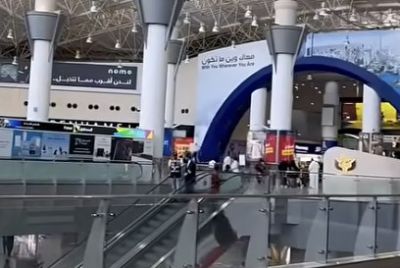
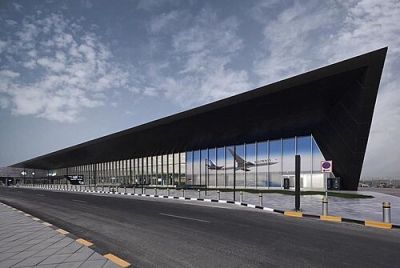
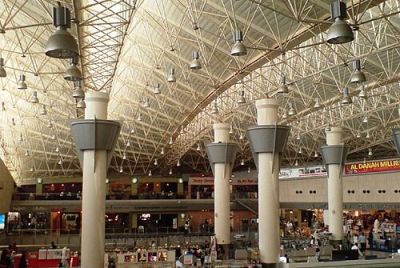
The airport terminal itself remains accessible for limited ground services, but no passenger processing for flights occurs. Technical systems continue operating normally for non-flight purposes, according to earlier statements. Ground staff and airline representatives have assisted affected passengers with rebooking and logistics, though long waits and limited availability have been reported at alternative hubs like Dammam.
Aviation experts note that airspace closures in conflict zones are not uncommon but can extend when threats persist. Recovery will likely involve coordinated assessments by Bahraini authorities, international partners and airlines once conditions stabilize. No firm reopening date has been announced, leaving many holiday travelers — including those planning Easter visits or business trips — to adjust plans at short notice.
The situation underscores the vulnerability of Gulf aviation to regional instability. Bahrain International Airport, a key connector for routes between Europe, Asia and the Middle East, normally handles millions of passengers annually. Its temporary shutdown has shifted traffic to nearby hubs, increasing pressure on airports in Saudi Arabia, the UAE and Qatar.
Travelers already in Bahrain or planning to arrive via land or sea routes face different considerations. Road borders with Saudi Arabia remain operational in most cases, though security checks may be heightened. Ferry services to other Gulf destinations could offer limited alternatives, but capacity is constrained.
For international visitors, embassies recommend registering with their home governments and preparing contingency plans. Insurance policies covering trip disruption or geopolitical events may provide some relief, though standard policies often exclude war-related claims.
As Easter celebrations unfolded globally with themes of hope and renewal, many in Bahrain and the wider region dealt with the practical challenges of disrupted travel. Families separated by the shutdown turned to video calls, while business travelers explored virtual options or extended stays.
Officials continue monitoring the situation closely and have pledged to resume operations as soon as the airspace can be safely reopened. In the meantime, safety remains the overriding priority.
Passengers with bookings through April are encouraged to check airline apps and websites frequently. Gulf Air and other carriers have set up dedicated helplines and online portals for rebooking support.
While the airport building stands ready, its runways and skies stay quiet on this Easter Sunday. The people of Bahrain and international travelers await clearer skies and the return of normal flight schedules in the days or weeks ahead.
© Copyright 2026 IBTimes AU. All rights reserved.
- Recommended For You