Is King Khalid International Airport Open? Airport Remains Open But Faces Ongoing Flight Cancellations
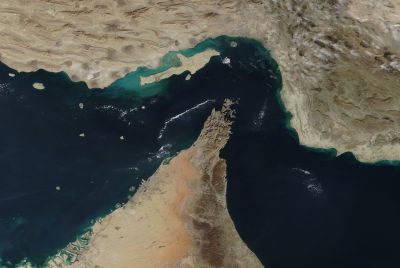
RIYADH, Saudi Arabia — King Khalid International Airport (RUH), Saudi Arabia's main aviation gateway serving the capital, continues to operate normally as of March 23, 2026, despite widespread regional disruptions stemming from the ongoing U.S.-Israeli conflict with Iran that has roiled Gulf airspace and travel patterns since late February.
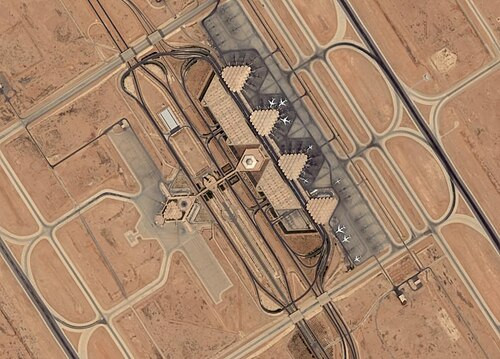
Airport authorities and multiple travel advisories confirm the facility remains fully open and operational 24/7, with terminals, runways, check-in, security and baggage services functioning without interruption. The official airport website (kkia.sa) urges passengers to verify flight status via its WhatsApp helpline at 920020090 or airline channels, emphasizing that while the physical infrastructure is unaffected, schedules face significant volatility due to airspace restrictions, security assessments and airline adjustments.
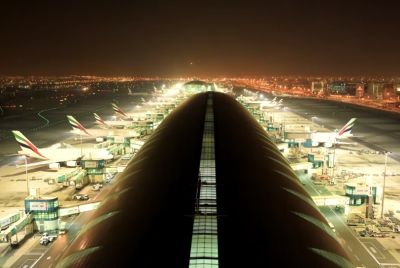
The conflict's ripple effects have led to patchy operations rather than outright closure. Early March saw major cancellations, with reports from Semafor on March 6 noting most flights grounded one night amid threats and restrictions. Saudi airspace has stayed open as a relative safe corridor compared to neighbors, positioning Riyadh as a key exit and transit point for stranded Gulf travelers. Al Arabiya English highlighted Riyadh's role in accommodating rerouted passengers, with emergency coordination activated by March 12 to handle influxes from disrupted routes.
Recent updates reinforce this status. As of mid-March, sources including The Traveler and Travel and Tour World described the airport as "open and fully operational" even as commercial flights remain curtailed. Public advisories from March 17-23 point to reduced schedules, late-notice cancellations and extended delays, particularly on international routes to the UAE, Qatar, Kuwait, Bahrain, India and parts of Europe. Airlines like Saudia extended suspensions to select destinations through mid-March, while carriers such as Air France, KLM, Cathay Pacific and LOT Polish Airlines canceled or limited services to Riyadh amid broader Gulf suspensions.
Flight tracking data from platforms like Flightradar24 and FlightAware show activity persisting, albeit at lower volumes than typical for the season. Weather remains clear—scattered clouds, around 84°F (29°C) with light winds—as reported in real-time conditions, posing no additional operational hurdles. No blanket shutdowns or closures appear in official channels or recent news, contrasting with temporary halts elsewhere in the region.
The disruptions trace to heightened risks from missile and drone threats, prompting advisories from bodies like the European Union Aviation Safety Agency (EASA) urging caution in Saudi airspace. Travelers face challenges planning departures or connections, with some stranded for days. Airport staff have worked through backlogs, and Saudi authorities have prioritized logistical support for affected passengers.
Amid the turbulence, positive developments highlight resilience. On March 23, King Khalid International Airport received global acclaim at the Skytrax World Airport Awards in London, named "World's Most Improved Airport" among over 560 evaluated worldwide. It also earned "Best Airport" in the 30-40 million passengers category, ranked 14th overall on the best airports list, and placed second for "Best Airport Staff in the Middle East." The awards, announced during the Passenger Terminal Expo, recognize operational enhancements and service improvements under Riyadh Airports Company management.
The recognition coincides with a major infrastructure overhaul completed earlier in 2026. A February terminal reallocation project—the largest in the airport's history—reassigned airlines across Terminals 1-5, boosting annual capacity from 42 million passengers in 2025 to a projected 56 million by year-end, a more than 33% increase. The transition, executed over 10 days in mid-February, aimed to streamline operations and support Riyadh's ambition as a global hub.
Travelers are advised to check status repeatedly due to the fluid situation. The U.S. Embassy in Riyadh issued alerts in mid-March urging American citizens to depart via commercial means amid potential threats, while noting major airports like King Khalid remain accessible despite airspace fluctuations.
As the conflict enters its fourth week, King Khalid's ability to stay open has provided a vital lifeline for regional mobility. While full normalcy remains elusive—with many carriers operating limited or exceptional flights—the absence of closure underscores Saudi Arabia's strategic positioning in a volatile landscape. Passengers should monitor airline apps, the airport's official channels and tools like FlightAware for real-time updates before heading to the facility.
The airport's dual story of disruption and achievement illustrates the broader challenges facing Gulf aviation in 2026: balancing security imperatives with ambitious growth goals. For now, King Khalid International Airport stands ready, its gates open even as the skies above remain unpredictable.
© Copyright 2026 IBTimes AU. All rights reserved.
- MOST POPULAR IN Politics & Policy