Is Beirut–Rafic Hariri International Airport Open Today? Airport Remains Open with Limited Operations
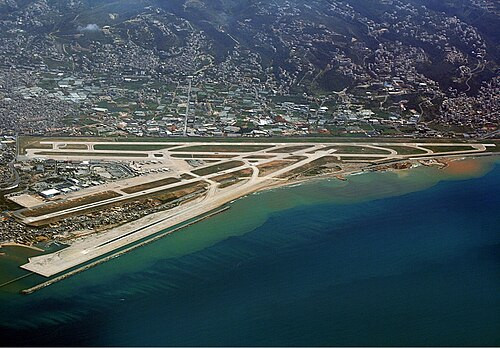
BEIRUT, Lebanon — Beirut–Rafic Hariri International Airport (BEY), Lebanon's sole major international gateway, continues to operate on March 23, 2026, despite the broader Middle East turmoil stemming from the U.S.-Iran conflict and related Israeli military actions. While the facility has not closed, flight activity remains severely curtailed, with widespread cancellations, reduced schedules and reliance primarily on Lebanon's national carrier, Middle East Airlines (MEA), for limited arrivals and departures.
Real-time flight information from the official airport website shows a sparse schedule for Monday. Arrivals include a successful landing from Cairo by MEA flight ME1307 at approximately 07:37 local time (instead of the scheduled 08:00), but numerous others — such as Turkish Airlines TK830 from Istanbul, flydubai FZ157 from Dubai and EgyptAir MS709 from Cairo — appear as cancelled. Departures follow a similar pattern, with many international routes scrubbed and only a handful of regional flights proceeding.
Flight tracking platforms like FlightAware, Flightradar24 and FlightStats confirm low overall traffic. The airport's arrival delay index stands at zero, reflecting minimal congestion but also drastically reduced volume. Weather conditions remain benign — temperatures around 14°C with light winds — meaning disruptions stem entirely from security and geopolitical factors rather than meteorological issues.
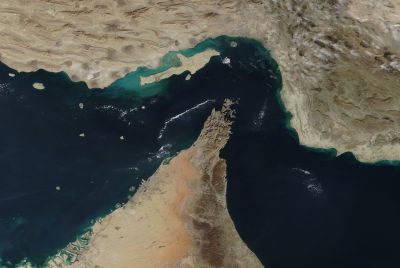
The airport's persistence in staying open contrasts sharply with closures or severe restrictions at other regional hubs. Since the U.S.-Israel campaign against Iran intensified in late February 2026, many Middle Eastern airports — including those in Tehran, Baghdad, Amman and parts of the Gulf — have faced temporary shutdowns or major halts. Beirut's decision to maintain operations has been attributed to indirect assurances that the facility itself would not be targeted, as reported by Lebanon's transport minister in early March interviews. Officials have described the situation as "very challenging and uncertain," but emphasized a commitment to keeping Lebanese airspace accessible since the conflict's outset.
Middle East Airlines has borne the brunt of keeping connectivity alive. MEA continues to operate a skeleton schedule of around four flights per day in recent weeks, focusing on regional routes to Cairo, Baghdad, Erbil and select European destinations where permissions allow. The carrier's website and flight status pages indicate ongoing efforts to maintain service, though passengers are advised to check frequently as schedules can change abruptly. Other international carriers — including Turkish Airlines, flydubai, Aegean, Air France-KLM and Lufthansa Group — have extended cancellations to Beirut through late March, April or beyond, citing the volatile security environment.
U.S. Embassy in Beirut alerts, updated as recently as March 20, confirm the airport's operational status while urging caution. "Commercial flights are currently offered by Middle East Airlines, operating out of Beirut Rafic Hariri airport," the embassy stated. "Americans should strongly consider departing on one of these flights if they believe it is safe to do so." The advisory notes frequent cancellations and recommends verifying directly with airlines rather than relying on general information.
Passenger experiences reflect the strain. Reports from earlier in March describe quiet terminals with long waits for limited flights, last-minute changes and challenges for those attempting repatriation or outbound travel. The airport's southern location near Beirut's suburbs — areas that have seen Israeli strikes in proximity — adds to the tension, though no direct hits on runways or terminals have been confirmed.
Lebanon's government and airport authority have prioritized keeping the facility functional as a lifeline for the diaspora and essential travel. Unlike Ben Gurion in Israel, which faces stricter caps and more cancellations amid direct threats, Beirut has avoided full airspace closure. However, the conflict's ripple effects — including missile interceptions, regional airspace restrictions and insurance concerns for carriers — have slashed overall capacity.
For travelers, the advice is clear: Check official sources like beirutairport.gov.lb for live updates, MEA's site for flight status and apps like Flightradar24 or FlightAware for real-time tracking. Passengers should arrive early — at least three hours prior — and prepare for potential disruptions, as the situation evolves rapidly with developments in the wider U.S.-Iran confrontation.
As of midday March 23 local time, no new closure announcements have emerged. The airport's ability to remain open underscores Lebanon's determination to preserve connectivity amid regional instability, though the limited flight options highlight the ongoing challenges for international travel to and from Beirut.
© Copyright 2026 IBTimes AU. All rights reserved.
- MOST POPULAR IN Politics & Policy