Greenland Crisis Escalates as Trump Renews Push for US Control Amid Danish Military Buildup
NUUK, Greenland — Tensions over Greenland's future intensified this week as President Donald Trump renewed calls for US acquisition or expanded control of the vast Arctic island, prompting Denmark to deploy additional elite forces and Greenland's leaders to firmly reject any change in sovereignty. The diplomatic standoff, now in its fourth month, continues to strain transatlantic relations and raise concerns about Arctic security.
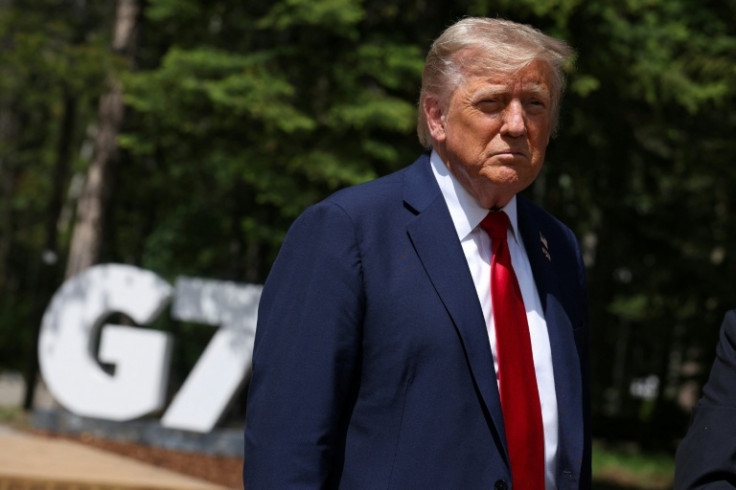
Trump, speaking at a White House event on May 6, reiterated that the United States "needs" Greenland for national security reasons, citing potential threats from Russia and China in the resource-rich region. He stopped short of repeating earlier tariff threats but maintained that a deal must be reached. Danish and Greenlandic officials responded swiftly, emphasizing that Greenland is not for sale and remains part of the Kingdom of Denmark.
Greenland's Prime Minister Jens-Frederik Nielsen stated categorically that the island "is not a piece of ice" and reaffirmed its commitment to Denmark. "When faced with the choice between the US and Denmark, Greenland chooses Denmark," he said, echoing earlier parliamentary statements.
Military Posturing and Defense Measures
Denmark has responded to the pressure by significantly bolstering its military presence. Hundreds of elite Danish combat soldiers trained in Arctic warfare have been deployed to Greenland, including senior officers. Reports indicate Denmark prepared contingency plans, including potential runway destruction at key airfields, in case of any US military action — though both sides have publicly ruled out force.
NATO discussions are underway for a possible permanent "Arctic Sentry" mission in Greenland, modeled after initiatives in the Baltic region. European leaders, including those from France and Canada, have opened or expanded consulates in Greenland as a show of solidarity.
Economic and Diplomatic Fallout
Trump's earlier threats of 10-25% tariffs on several European nations opposing the move were paused after talks in Davos in January, but the underlying dispute lingers. Negotiations have explored increased US military basing rights, resource access, and blocking adversarial mining activities without full sovereignty transfer.
Greenland, with its population of around 56,000, holds vast untapped reserves of rare earth minerals, uranium and other critical resources essential for green technology and defense. Its strategic location makes it vital for Arctic monitoring and potential missile defense systems.
The crisis has triggered psychological strain among residents, with Greenland's government monitoring mental health impacts. Many locals express anxiety over the uncertainty, though daily life continues amid heightened international attention.
Background of the Dispute
Trump first floated acquiring Greenland in 2019 during his first term. The idea resurfaced strongly in late 2025 and escalated in early 2026, with the administration arguing that Denmark cannot adequately defend the island against growing Russian and Chinese interest in the Arctic. Greenlandic and Danish leaders counter that existing NATO frameworks and bilateral agreements suffice.
A high-stakes January meeting in Washington between US, Danish and Greenlandic officials produced little progress, with both sides claiming different interpretations of the outcome. Subsequent talks have focused on security enhancements rather than outright purchase.
International Reactions
European allies have expressed concern that the dispute weakens NATO unity. Some view Trump's approach as a distraction from other global priorities, including the situation in the Middle East. China and Russia have watched developments closely, with analysts warning that prolonged instability could create openings for their influence in the Arctic.
Bipartisan US congressional delegations have visited Denmark and Greenland to ease tensions and explore cooperative security arrangements. However, a small number of Republican lawmakers have introduced symbolic measures supporting Greenland as a potential US territory.
Economic Implications
Greenland's economy, heavily reliant on fishing, tourism and Danish subsidies, faces uncertainty. Potential US investment in infrastructure or mining could bring opportunities, but most residents prioritize maintaining autonomy and their relationship with Denmark.
Global markets have shown sensitivity to the rhetoric, with occasional spikes in rare earth and shipping costs tied to Arctic tensions. Energy security analysts note that while Greenland itself produces little oil, its location affects broader shipping routes and strategic calculations.
Looking Ahead
As summer approaches in the Arctic, military exercises and diplomatic talks are expected to continue. Denmark has called a snap election partly centered on the Greenland issue, while US officials maintain that talks are "on a good trajectory" despite public differences.
For Greenlanders, the crisis has thrust their homeland into the global spotlight like never before. Whether it leads to enhanced security cooperation, greater autonomy, or continued uncertainty remains to be seen. What is clear is that the island's strategic importance in a warming Arctic with melting ice and new shipping routes has elevated it from a remote territory to a central player in great power competition.
The situation serves as a reminder of how quickly geopolitical flashpoints can emerge in the 21st century. As stakeholders navigate security needs, resource interests and self-determination, the future of Greenland will likely shape broader Arctic dynamics for years to come.
© Copyright 2026 IBTimes AU. All rights reserved.
- Recommended For You