Israel Pounds Lebanon with 100+ Airstrikes, Killing 300+ as US-Iran Ceasefire Frays
BEIRUT — Israeli forces unleashed one of the heaviest barrages of the 2026 conflict on Lebanon on April 8, launching more than 100 airstrikes in a matter of minutes and killing at least 250 to 300 people, officials said, dealing a severe blow to a fragile U.S.-Iran ceasefire just hours after it was announced.

The deadliest day in months saw waves of strikes hammer alleged Hezbollah targets across Beirut, Tyre, southern villages and other areas, flattening buildings, damaging critical infrastructure and overwhelming hospitals already strained by months of fighting. Lebanon's Health Ministry reported more than 1,000 wounded, with rescue teams still pulling bodies from rubble on April 10.
Prime Minister Benjamin Netanyahu's office confirmed the operation targeted more than 100 Hezbollah command centers and military sites. Israeli officials described the action as necessary to degrade the Iran-backed group's capabilities, insisting the U.S.-Iran truce did not extend to Lebanon. "There is no ceasefire in Lebanon," Netanyahu stated, while simultaneously authorizing direct talks with the Lebanese government aimed at disarming Hezbollah and potentially normalizing relations.
The timing shocked the region. The massive assault came less than 24 hours after the Trump administration brokered a two-week ceasefire with Iran aimed at de-escalating broader hostilities and reopening the Strait of Hormuz. Iran and Pakistan, involved in brokering the deal, insisted the pause applied to Hezbollah operations as well. Tehran warned it could withdraw from the agreement if attacks on its ally continued.
Lebanese President Joseph Aoun condemned the strikes as "barbaric," while the United Nations issued strong rebukes. The World Health Organization reported Lebanon's health system nearing collapse after treating hundreds in a single day. Rescue workers described scenes of devastation in densely populated neighborhoods, with the Qasmieh bridge — a vital link to southern Lebanon — severely damaged, threatening aid delivery.
Human Rights Watch and other monitors documented strikes in civilian areas, raising questions about proportionality. Beirut-based researchers noted the attacks appeared designed to exploit the brief window before diplomatic momentum could solidify. Hezbollah responded with rocket barrages into northern Israel, further escalating cross-border fire.
The violence fits into a pattern that resumed in early March 2026, when major fighting between Israel and Hezbollah reignited amid the wider U.S.-Iran confrontation. Over 1,500 Lebanese have died in the current round, according to health officials, with hundreds of thousands displaced. Southern Lebanon has borne the brunt, but strikes have increasingly hit the capital.
Netanyahu's surprise announcement of direct talks with Lebanon offered a potential diplomatic off-ramp even as military operations continued. Israeli officials said discussions would focus on implementing U.N. Resolution 1701, which calls for Hezbollah to withdraw north of the Litani River and for the Lebanese army to secure the border. Lebanon has long lacked full control over its territory due to Hezbollah's influence.
The dual track — continued strikes alongside proposed negotiations — drew mixed reactions. Supporters of Israel viewed it as necessary pressure to achieve lasting security. Critics, including some U.S. allies, warned it risks unraveling the fragile Iran ceasefire and igniting a wider regional war.
Iran's response has been measured but firm. Officials conditioned continued participation in upcoming Pakistan talks on a halt to Lebanon strikes. Some Iranian-linked media suggested renewed mining or restrictions in the Strait of Hormuz in retaliation, though shipping data on April 10 showed only minimal traffic amid uncertainty.
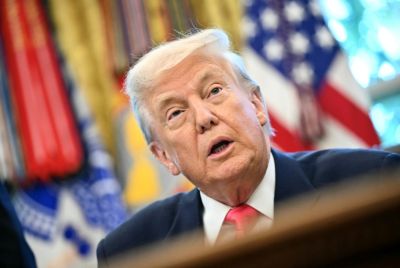
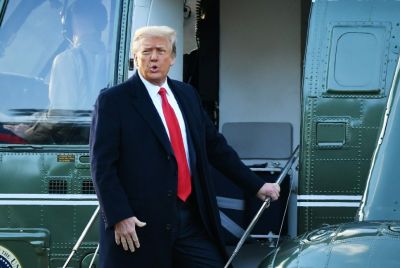
In Washington, the Trump administration has tried to thread the needle. Officials maintained that the Iran deal did not cover Hezbollah activities while urging restraint from all sides. President Trump publicly stated Netanyahu would be "more low-key" but stopped short of demanding an immediate end to Lebanon operations.
Lebanon itself remains deeply fractured. The government, already facing economic collapse and political paralysis, has declared days of mourning. Hezbollah, while bloodied, retains significant rocket capabilities and popular support among segments of the Shia population. The group's leadership has vowed continued resistance.
International aid organizations warned of a growing humanitarian catastrophe. With the damaged bridge limiting access to the south, food, medicine and fuel shortages could worsen rapidly. The UN called for immediate ceasefires and unimpeded humanitarian corridors.
Analysts see Lebanon as the most volatile fault line in the current crisis. Unlike direct Iran-Israel exchanges, the proxy conflict here involves deep domestic stakes, cross-border communities and the risk of drawing in other actors like Syria. The 2024-2025 rounds of fighting had already devastated border areas; the 2026 escalation threatens to set the country back years.
As of April 10, rescue efforts continued in Beirut and southern towns. Hospitals reported running low on supplies, with some performing surgeries under generator power. Civilian casualties, including women and children, have fueled outrage across the Arab world and beyond.
Diplomatic efforts now focus on two tracks: salvaging the U.S.-Iran ceasefire through weekend talks in Pakistan and testing whether Israel-Lebanon negotiations can produce a breakthrough. History suggests skepticism — previous attempts at border agreements have faltered amid mutual distrust.
For ordinary Lebanese, the latest violence brings familiar dread. Many had hoped the U.S.-Iran deal might bring quiet. Instead, it coincided with one of the war's most intense days. Families sifted through rubble, buried loved ones and wondered whether talks would finally bring relief or prove another false dawn.
The coming days will prove decisive. If Israeli strikes ease and negotiations gain traction, a pathway toward de-escalation may emerge. But any miscalculation — another major Hezbollah attack or Israeli ground incursion — could shatter fragile hopes and plunge the region deeper into conflict.
Lebanon, long a theater for proxy battles, once again finds itself at the center of great-power maneuvering, its people paying the heaviest price as diplomats race to contain a fire that continues to spread.
© Copyright 2026 IBTimes AU. All rights reserved.
- Recommended For You