US-Israeli 'Operation Roaring Lion' Enters Day Eight as Trump Demands Iran's Unconditional Surrender
The Middle East has entered its most perilous week in modern history as the joint US-Israeli military campaign against Iran, codenamed "Operation Roaring Lion" by Jerusalem and "Operation Epic Fury" by Washington, entered its eighth day on Saturday, March 7, 2026. With the death of Supreme Leader Ali Khamenei confirmed and the Strait of Hormuz effectively closed, President Donald Trump has escalated his rhetoric, demanding the "unconditional surrender" of the Iranian regime.
The conflict, which began with a massive coordinated strike on February 28, has fundamentally reshaped the geopolitical landscape of West Asia in just one week. What started as a campaign to dismantle Iran's nuclear and ballistic missile infrastructure has evolved into a full-scale regional war involving multiple nations and threatening the stability of the global economy.
1. The State of the Conflict: March 7, 2026
As of Saturday morning, the Israel Defense Forces (IDF) and US Central Command (CENTCOM) reported that the first phase of the war—establishing air superiority—is largely complete.
- Air Dominance: Israeli Chief of Staff Lieutenant General Eyal Zamir announced that over 300 ballistic missile launchers have been rendered inoperable.
- Casualty Reports: While verified data is difficult to obtain due to internet blackouts in Iran, the Iranian Red Crescent estimates the death toll has exceeded 1,300, while some human rights groups fear the number is closer to 3,000.
- Regional Spread: Iran's retaliatory strikes have not been limited to Israel. In a desperate bid to pressure the US, Tehran has launched hundreds of drones and missiles at Gulf states, including the UAE, Kuwait, and Bahrain, targeting US military assets and civilian infrastructure.
2. Trump's "Unconditional Surrender" Mandate
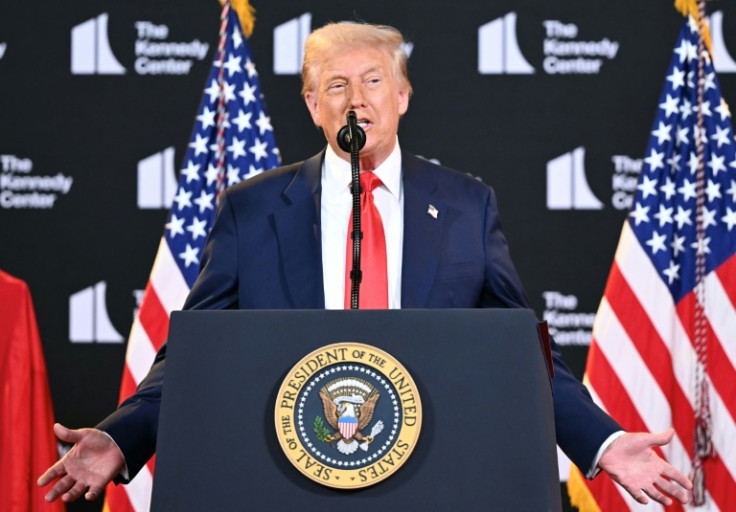
In a series of late-night statements from the White House, President Trump rejected calls for a ceasefire, stating that the US will not stop until a new, "non-nuclear" leadership is established in Tehran. "We are not looking for a deal that lasts ten years; we are looking for a total transformation," Trump said. He further complicated the diplomatic path by rejecting the potential candidacy of Mojtaba Khamenei (the late Supreme Leader's son) for any interim role, calling him "unacceptable."
3. The "Second Iran War" and the Gulf Crisis
The conflict has been dubbed the "Second Iran War" by international observers, following a shorter 12-day skirmish in June 2025. However, the current escalation is far more severe.
- Strait of Hormuz: The IRGC has officially declared the Strait closed. While the US Navy has reportedly destroyed 17 Iranian warships to keep the lanes open, insurance rates for tankers have skyrocketed, causing Brent crude to surge past $88 per barrel.
- The "Strategic Patience" Ends: Analysts note that Iran has abandoned its decade-long doctrine of "strategic patience." By striking at Arab neighbors like Azerbaijan and the UAE, Tehran is attempting to break the US-aligned coalition by force.
4. Impact on Israel and Lebanon
While Israel's "Arrow" and "David's Sling" defense systems have intercepted the vast majority of incoming fire, the psychological toll is mounting.
- Domestic Impact: At least 12 Israeli civilians have been killed by debris or direct hits in densely populated areas like Ramat Gan and Beit Shemesh.
- The Northern Front: Hezbollah has launched over 115 waves of attacks from Southern Lebanon, triggering a massive Israeli counter-offensive that has displaced over 300,000 Lebanese civilians. The Lebanese government has reportedly attempted to ban Hezbollah's military activities to avoid total national destruction, though the group remains defiant.
5. Humanitarian and Global Concerns
The United Nations has condemned the "unprovoked" nature of the initial strikes, with experts warning of a "profound human tragedy."
- Internal Iran: Massive protests, which began in late 2025 due to a failing economy, have turned into chaotic jailbreaks and localized rebellions, particularly in Kurdish regions.
- The Oil Factor: With QatarEnergy halting LNG production and Saudi Aramco reporting fires at the Ras Tanura facility, the world is bracing for a global energy shock that could dwarf the crises of the 1970s.
© Copyright 2026 IBTimes AU. All rights reserved.
- MOST POPULAR IN Politics & Policy