Wordle Answer Today April 24 2026: DRUNK Stumps Many as Puzzle #1770 Proves Tricky
NEW YORK — Wordle fans woke up to a deceptively simple yet challenging puzzle on Friday, April 24, 2026, as the New York Times' daily word game delivered "DRUNK" as the solution to puzzle #1770, leaving many players scrambling in the later guesses and sparking widespread discussion across social media.
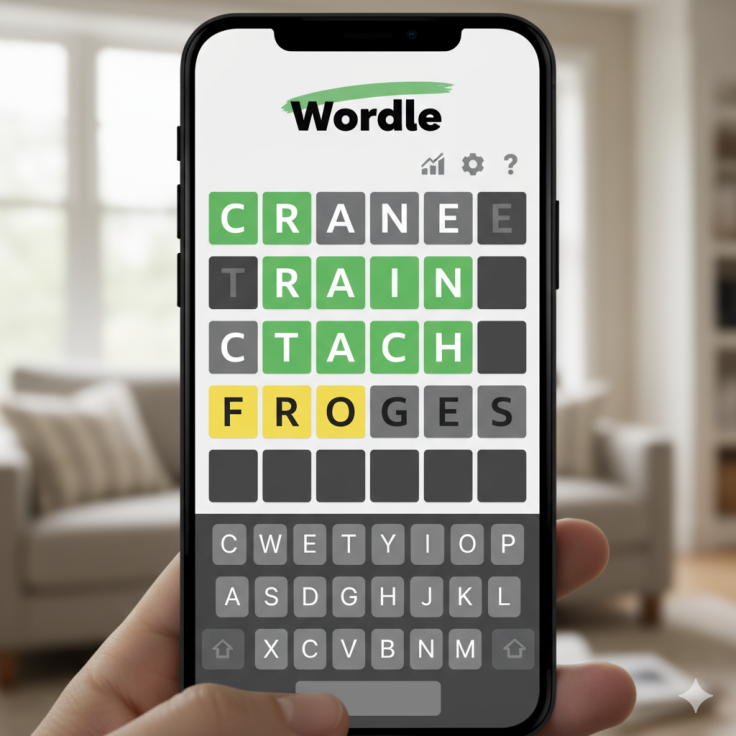
The five-letter word, meaning overcome by alcohol to the point of losing control, caught solvers off guard despite its common usage. With only one vowel and no repeating letters, the answer rewarded strategic openers while punishing those who leaned too heavily on common vowel clusters early on.
Players who started with strong openers like "SLATE," "CRANE" or "ADIEU" often found themselves with limited green or yellow feedback. The word's structure — consonant-heavy with U as the sole vowel — proved difficult for those who exhausted common letters without hitting the correct combination. Many reported using four or five guesses, with the NYT's own testers averaging 4.3 attempts.
Hints circulating online proved helpful for stuck players. The puzzle featured one vowel, no duplicate letters, and carried connotations related to intoxication or imbalance. Synonyms such as "tipsy" or "intoxicated" pointed solvers in the right direction once they narrowed the possibilities.
Social media erupted as usual. On X and Reddit's r/wordle, thousands shared their grids, with reactions ranging from frustration ("How did I miss that?") to celebration ("Got it in 3!"). The answer's everyday nature made it relatable, prompting lighthearted memes about morning coffee regrets and weekend plans.
For Wordle enthusiasts, April 24's puzzle continued a streak of moderately difficult entries. The previous day's answer "TWEET" had focused on bird sounds and social media, while earlier in the week players tackled words like "SNORE." The rotating selection keeps the game fresh while testing vocabulary depth and pattern recognition.
The New York Times acquired Wordle from creator Josh Wardle in 2022, and the game has since become a global daily ritual for millions. Its simple interface — six guesses, color-coded feedback, and one puzzle per day — creates a perfect balance of accessibility and challenge. No ads, no paywall for the core experience, and a shareable grid system fuel its viral staying power.
Strategy experts recommend starting with words rich in vowels and common consonants. "RAISE," "SLATE," "CRANE," and "TRACE" remain popular openers because they test multiple high-frequency letters immediately. Once feedback appears, eliminating impossible combinations quickly narrows the field. On days like April 24, avoiding heavy vowel guesses after an initial miss proved crucial.
"DRUNK" joins a long list of past answers that blend common language with occasional trickiness. Previous notable solutions have included everyday terms that still manage to stump because of letter placement or less obvious vowel positioning. The game's algorithm ensures variety while avoiding obscure or offensive words.
For those who missed it, the official Wordle review page on the New York Times site offers deeper analysis, including average solve times and community discussion. The game resets at midnight in each time zone, giving players worldwide a fresh chance every 24 hours.
Wordle's cultural impact extends far beyond casual play. It has inspired variants like Wordle Unlimited, geography-based spin-offs, and even classroom uses for vocabulary building. Celebrities and politicians have shared their results, turning daily solves into water-cooler conversation topics.
Educational value remains one of its strongest draws. Regular play expands vocabulary, improves pattern recognition, and encourages logical deduction. Parents report children picking up spelling skills, while seniors use it as a mental exercise to stay sharp. The game's universal appeal crosses age groups and backgrounds.
As April 2026 progresses, players can expect continued variety in difficulty. The NYT carefully curates the word list to maintain engagement without excessive frustration. Future puzzles will likely mix in more common words with occasional curveballs that test deeper linguistic knowledge.
For those seeking extra help, numerous sites provide hints without spoiling the full answer immediately. Community forums offer gentle nudges, alternative strategies, and post-solve discussions. Competitive players track their statistics — average guesses, win streaks, and hard-mode performance — adding another layer of enjoyment.
April 24's "DRUNK" solution served as a reminder that sometimes the most familiar words hide in plain sight. Whether you solved it quickly or needed every guess, the daily ritual continues to unite millions in a shared linguistic challenge that starts the morning with a small mental victory — or a humbling lesson in humility.
Looking ahead, tomorrow's puzzle promises another fresh test. Until then, players can review today's grids, refine their starting strategies, and prepare for whatever five-letter surprise awaits on April 25. The beauty of Wordle lies in its consistency: one word, six chances, endless replay value.
Whether you're a daily streak holder aiming for perfection or a casual solver enjoying the occasional win, today's answer highlighted the game's enduring charm. "DRUNK" may have tripped up many, but it also delivered that satisfying click when the final letter turned green — the exact moment that keeps players coming back day after day.
© Copyright 2026 IBTimes AU. All rights reserved.
- Recommended For You