

Wordle Hint Roundup: Wordle Review No. 1,709 and Today's Wordle #1711 Headlines
The New York Times' Wordle puzzle continues its daily streak of brain-teasing challenges, with players worldwide tackling No. 1,709 on Sunday, February 22, 2026, and No. 1,711 on Tuesday, February 24, 2026. These recent entries highlight the game's mix of moderate difficulty, clever word choices and the enduring appeal of its simple yet addictive format.
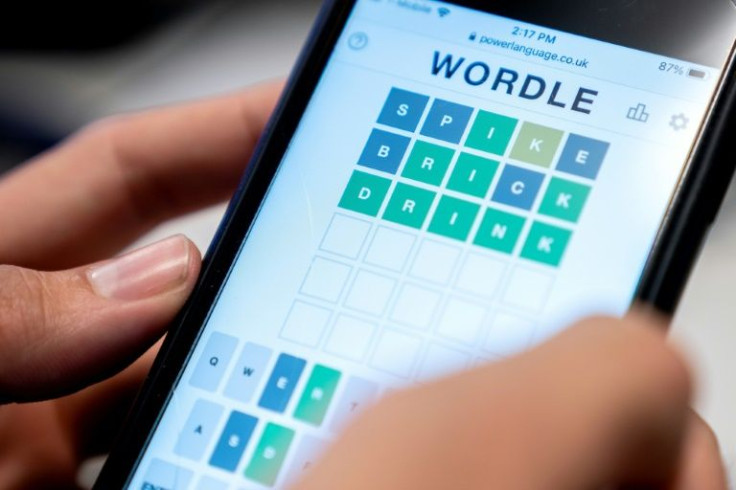
Wordle No. 1,709, released February 22, stumped many with its tropical theme. The answer was **GUAVA**, a noun referring to a yellowish, round or pear-shaped edible fruit native to tropical regions. According to The New York Times Wordle Review, testers averaged 4.6 guesses out of six, rating it moderately challenging. Hints focused on the repeated letter "A," three vowels and the starting letter "G." Many players noted the word's uncommon usage in everyday English, though fruit lovers solved it quickly. Mashable called it "easy if you love a healthy snack," while Forbes emphasized its consonant-heavy structure. The puzzle sparked discussions on Reddit's r/wordle about tropical fruits and vowel placement strategies.
Today's puzzle, Wordle No. 1,711 on February 24, proved similarly tricky, with an average of 4.6 guesses per NYT testers — again moderately challenging. The answer is **BUYER**, a noun meaning a person who purchases goods or services, often for a retail store or business. Webster's New World College Dictionary defines it as someone whose work involves buying merchandise.
Hints for #1711 included: starts with "B," ends with "R," contains two vowels (U and E) and three consonants, no repeated letters, and a direct tie to purchasing or shopping. Subtle clues described it as "a consumer," "opposite of seller," or "like the curators at TJ Maxx." No double letters appeared, making vowel placement key. Starting words like SLATE or CRATE left players with many possibilities initially, but vowel tests quickly narrowed options.
Mashable advised a subtle hint: "A consumer." Tom's Guide noted it contains two of the five most common Wordle letters and two vowels. CNET highlighted it refers to "a person who makes a purchase." Parade suggested "like the curators at TJ Maxx," while Forbes offered "a shipping and logistics job" and "this Wordle begins and ends with consonants." The puzzle's difficulty stemmed from its everyday term yet uncommon in casual puzzles, leading to varied solve times.
WordleBot analysis showed average solves around 4.5 in easy mode and 4.6 in hard mode. Community threads on Reddit's r/wordle and r/wordlegame filled with grids, from three-guess wins to six-guess struggles. Players shared starting strategies — many favored words with common vowels like ADIEU or AUDIO early, then consonant tests.
The game's viral nature persists in 2026, with millions playing daily since its 2021 launch and NYT acquisition. No major changes have occurred, preserving the six-guess limit, green/yellow/gray feedback and shareable grids. Variants like custom Wordles or alternate modes (e.g., Quordle) keep engagement high, but the core puzzle remains the draw.
Recent puzzles reflect NYT's balance of accessibility and challenge. #1709's GUAVA rewarded fruit knowledge or vowel spotting, while #1711's BUYER tested commercial awareness and letter elimination. Both avoided obscure words, aligning with Wordle's philosophy of fair, solvable terms.
As February ends, anticipation builds for March puzzles. Players can access Wordle free at nytimes.com/games/wordle, with archives for past solutions (though spoilers apply). Tips remain timeless: start with vowel-rich words, eliminate letters quickly and use hard mode for stricter play.
Wordle's daily ritual fosters community, from family shares to online forums dissecting hints. Whether solving in three or six tries, the satisfaction of the green grid endures.
© Copyright 2026 IBTimes AU. All rights reserved.