Today's Wordle Hints, Answer and Help for March 15, #1730 – Puzzle Solved with GRADE
The New York Times' daily word puzzle Wordle challenged players once more on Sunday with Puzzle #1730. The answer for March 15, 2026, was **GRADE**, a versatile five-letter word that functions as both a noun and a verb, often associated with academic performance, quality levels, or slopes.
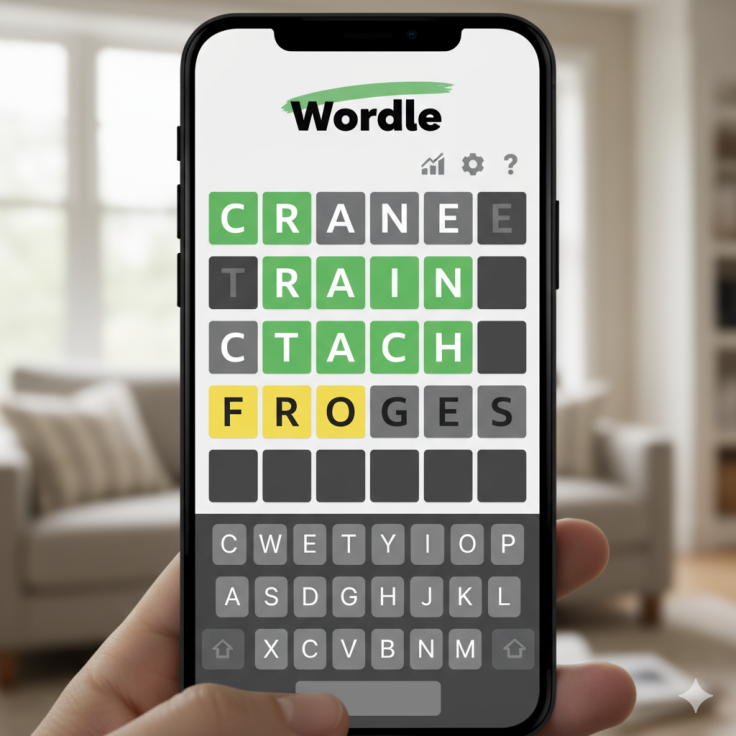
Wordle, now in its fifth year under NYT ownership, continues to draw millions worldwide for its simple yet addictive format. Players get six attempts to guess the hidden word, receiving color-coded feedback: green for correct letter and position, yellow for correct letter in the wrong spot, and gray for absent letters. The game resets daily at midnight in each time zone, accessible free at nytimes.com/games/wordle or via the NYT Games app.
NYT testers rated #1730 as moderately challenging, requiring an average of 4.4 guesses out of six — slightly easier than Saturday's 4.8-guess average for #1729 (ANKLE). Community feedback on forums and social media reflected a mix of quick solves in three or four attempts and occasional six-guess struggles, particularly when players fixated on similar words like GRATE or GRAPE.
Spoiler-free hints circulated widely to guide solvers without revealing the solution:
- The word contains two vowels.
- No letters repeat (no double letters).
- It starts with G and ends with E.
- Common in classrooms or on report cards.
- A subtle nudge: "A score" or "You'll find these on tests."
- It can refer to a mark a student receives in class or to arrange/classify by quality.
These align with spoiler-avoidance strategies from major outlets like Mashable, CNET, Tom's Guide, Forbes, Parade, Rock Paper Shotgun, and The New York Times' own Wordle Review page. Many players started with vowel-rich openers such as RAISE, CRANE, or SLATE, then pivoted based on early feedback. One common path shared online: PASTE (yielding yellow G and E), followed by CRANE or TRACE, then landing on GRADE.
The word GRADE, per Webster's New World College Dictionary, means "any of the stages in an orderly, systematic progression; step; degree," or "to arrange or classify by grades; rate according to quality, rank, worth, etc.; sort." As a noun, it often denotes academic marks (A through F) or incline (a steep grade on a road). As a verb, it means to evaluate assignments or level terrain.
No thematic tie to March 15 events appeared evident, though some players joked about "grading" weekend relaxation or Pi Day leftovers from March 14. The puzzle's everyday vocabulary made it accessible, but misdirection from close variants like GRACE, GRAVE, or BRAVE tripped up some.
Wordle's appeal persists through its streak system, shareable grids (with emoji squares), and lack of timers or ads in the core experience. It has inspired variants and integrations into NYT's broader Games suite, including Connections, Strands, and Spelling Bee.
Solvers reported varied experiences: some celebrated three-guess wins after spotting the G-E pattern early, while others vented about eliminating wrong paths like GROVE or TRADE before hitting the mark. YouTube creators and Reddit threads dissected strategies, praising the puzzle's balance of familiarity and challenge.
For those who missed #1730 or want retrospective analysis, the NYT Wordle Review offers tester stats, community comments, and discussion. Hint sites update shortly after midnight, providing escalating clues before answers.
As Monday's puzzle (#1731) awaits, players reset streaks and prepare strategies. Wordle's daily ritual fosters global camaraderie — shared triumphs, near-misses, and occasional frustration.
Whether GRADE came quickly or required persistence, it reinforced why the game endures: a brief, brain-teasing escape that rewards logic, vocabulary, and a bit of luck.
© Copyright 2026 IBTimes AU. All rights reserved.
- MOST POPULAR IN Gaming