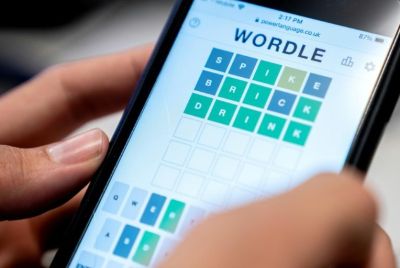
Wordle #1742 Solved: Answer, Hints and Full Solution for March 27, 2026
The New York Times Wordle puzzle for Friday, March 27, 2026, delivered a moderately challenging test of vocabulary and deduction, with the solution word **IVORY** rewarding players who balanced common starting guesses with strategic elimination.
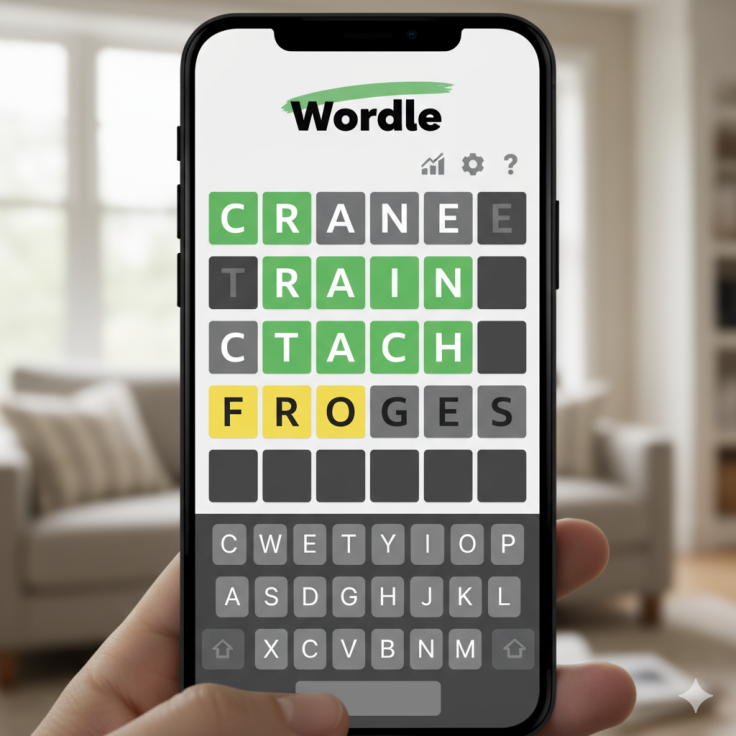
Wordle No. 1742 featured a five-letter noun and adjective that refers to the hard, white substance forming the tusks of elephants, walruses and other animals, as well as a creamy off-white color often associated with piano keys, antique carvings and elegant decor.
According to the New York Times Games team, today's puzzle took internal testers an average of 4.5 guesses out of six, placing it in the moderate difficulty range for the daily word game that has captivated millions since its 2021 launch.
For those seeking spoiler-free assistance, several layered hints helped narrow the field without giving away the answer outright. The word contains two vowels and no repeated letters. It begins with the letter I and ends with a consonant. One useful contextual clue: the answer names a prized natural material historically used in art and craftsmanship, or describes a pale, lustrous shade.
Additional strategic hints included focusing on words with I as the first letter and considering terms linked to wildlife, music or color palettes. Players who opened with strong vowel-heavy starters such as "AUDIO," "RAISE" or "ADIEU" often positioned themselves well to identify the placement of O, R and Y.
The official solution is **IVORY**. Those who solved it in three or fewer guesses earned bragging rights on social media, while many others celebrated a four- or five-guess finish that preserved their winning streaks.
Wordle's simple yet addictive format presents players with a blank grid and invites up to six attempts to guess a hidden five-letter word. After each guess, the game provides color-coded feedback: green tiles indicate correct letters in the correct position, yellow tiles show correct letters in the wrong position, and gray tiles mark letters absent from the answer entirely.
For March 27's puzzle, common opening words like "CRANE," "SLATE" or "TRACE" helped eliminate several consonants early. Many solvers reported spotting the "V" or "R" in the middle positions after their second or third attempt, steering them toward the final combination.
The word "IVORY" carries rich cultural associations. It evokes the ivory trade debates surrounding elephant conservation, the smooth feel of vintage billiard balls and the classic look of piano keys — though modern instruments increasingly use synthetic alternatives for ethical reasons. As an adjective, it describes anything resembling that distinctive creamy white hue, from fashion fabrics to interior paint swatches.
New York Times spokespeople note that puzzle editor Tracy Bennett and her team select words from a curated list to balance accessibility, interest and fairness. Friday's choice avoided overly obscure vocabulary while offering satisfying layers for etymology enthusiasts. "Ivory" derives from the Latin "ebur," entering English through Old French, and has appeared in literature from Shakespeare to modern environmental discussions.
Wordle enthusiasts flooded Reddit's r/wordle and X with their results grids shortly after the daily reset at midnight Eastern Time. Many praised the puzzle for feeling fair yet not too obvious, with some noting that the double-vowel structure (I and O) created an enjoyable solving path. A smaller group admitted frustration when early guesses locked in incorrect placements for common letters like A or E.
Strategies that proved effective included prioritizing words with unique letters to maximize information gain and paying close attention to vowel placement. Players who avoided repeating grayed-out letters quickly converged on the correct solution. For those who missed it, the game resets fresh each day at midnight, offering another opportunity to extend streaks.
The March 27 edition continued Wordle's remarkable cultural staying power. Since The New York Times acquired the game from creator Josh Wardle in 2022, it has expanded its audience through consistent daily play, shareable results and integration with other NYT Games offerings such as Connections, Spelling Bee and the Mini Crossword.
Friday's puzzle also prompted lighthearted online conversations about ivory's real-world significance. Some players reflected on conservation efforts to protect elephants, while others shared memories of family pianos or antique shops. The word's dual role as both noun and adjective added an extra dimension appreciated by word lovers.
For beginners or those returning after a break, Wordle remains straightforward to play via nytimes.com/games/wordle or the dedicated mobile apps. No subscription is required for the basic daily puzzle, though NYT Games subscribers gain access to archived puzzles, ad-free experience and additional titles.
Looking ahead, Saturday's Wordle is expected to maintain the weekend's typical moderate-to-challenging curve. Dedicated solvers often track their statistics — average guesses, current streak and win percentage — through the in-game dashboard or community spreadsheets.
Community tips for improving at Wordle include building a personal list of strong starter words, learning common letter frequency patterns (E, A, R, I, O, T being among the most frequent) and practicing process-of-elimination thinking. Resources such as word lists filtered by known green and yellow letters can help during tough solves, though many prefer solving unaided for the pure satisfaction.
Today's solution "IVORY" joins a long line of evocative answers that have ranged from everyday objects to abstract concepts. Previous puzzles have featured everything from simple nouns like "HOUSE" to more thematic choices tied to current events or seasonal references, though editors strive to keep the game timeless.
As March 27, 2026, progressed, thousands of players logged their results, with green-square grids dominating social feeds. Those who solved in two guesses shared screenshots with captions celebrating their luck, while four- and five-guess finishes drew supportive comments from fellow players.
Wordle's enduring appeal lies in its blend of luck, skill and daily routine. In a world filled with notifications and endless content, the game offers a brief, focused mental exercise that connects people across time zones through a shared linguistic challenge.
Whether you nailed "IVORY" on the first try or needed all six lines, the March 27 puzzle delivered the classic Wordle experience: a moment of tension followed by the rewarding click of green tiles filling the row.
For players seeking more word-based entertainment, The New York Times offers a full suite of games. Connections, which also refreshed on March 27, provided its own set of thematic groupings, while the Spelling Bee challenged users to create as many words as possible from a set of seven letters.
As evening approached on the East Coast, conversations shifted toward predictions for the weekend puzzles and reflections on this week's overall difficulty. Many noted that the sequence from Thursday's "BEFIT" to Friday's "IVORY" offered a nice mix of verb and noun/adjective forms.
The New York Times continues refining Wordle based on player feedback while preserving the elegant simplicity that made it a global phenomenon. With millions of daily players, the game remains a bright spot in digital culture — proof that a well-crafted word puzzle can still capture widespread attention in the age of short-form video and AI tools.
If you missed today's solution or want to verify your grid, the answer for Wordle #1742 on March 27, 2026, is **IVORY**. Congratulations to everyone who kept their streak alive, and better luck tomorrow for those who didn't.
The game resets at midnight, bringing fresh letters and a new opportunity to test your word intuition. Until then, word game fans can explore other NYT offerings or simply reflect on the satisfying click of that final correct guess.
© Copyright 2026 IBTimes AU. All rights reserved.
- Recommended For You