

Wordle Answer Today: COMET for NYT Puzzle #1745 on March 30, 2026
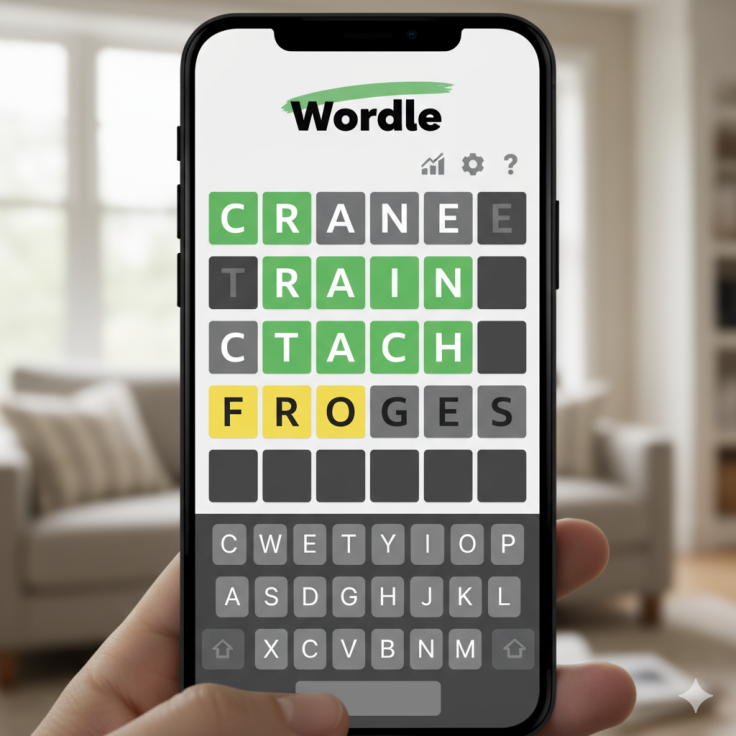
NEW YORK — The New York Times Wordle puzzle for Monday, March 30, 2026, challenged players with a celestial twist as the solution to game No. 1745 proved to be COMET.
Millions of daily players logged into the NYT Games platform to tackle the five-letter word grid, where the answer referred to a icy celestial body known for its dramatic tails when nearing the sun. The puzzle earned a moderate difficulty rating, with NYT testers averaging 4.3 guesses out of six.
Wordle, the simple yet addictive letter-guessing game created by Josh Wardle and acquired by the New York Times, continues its streak as a morning staple for puzzle enthusiasts worldwide. On Monday, the word "COMET" featured two vowels (O and E), no repeated letters and started with C, aligning with common player strategies that prioritize frequent consonants early.
Progressive Hints for Wordle #1745
For those still pondering or seeking guidance without immediate spoilers, here are layered clues:
- The word is a noun describing an astronomical phenomenon visible in the night sky under right conditions.
- It contains two vowels and no duplicate letters.
- Synonyms include terms like "shooting star" (though technically distinct) or references to objects with glowing trails.
- A larger hint: Think of something from outer space that develops a distinctive tail as it approaches the sun.
Additional strategic nudges included noting the word begins with C and relates to space rather than everyday objects. Many solvers reported success starting with words like CRANE, RAISE or SLATE, which quickly narrowed possibilities by testing common vowels and consonants.
One solver using CRANE as an opener reduced options significantly before confirming with follow-up guesses like SLOTH, landing on COMET in three or four attempts. The puzzle's relative accessibility helped maintain streaks for many, though some noted the astronomical theme caught them off guard amid more terrestrial recent answers.
Full Solution and Breakdown
Spoiler warning: The complete answer for Wordle #1745 on March 30, 2026, is COMET.
The word refers to a small, frozen mass of water, gas, rocks and dust orbiting the sun, often in highly elliptical paths. As it nears the sun, solar radiation causes it to vaporize, forming a coma and usually a long tail of ions pointing away from the star. Famous examples include Halley's Comet, visible from Earth roughly every 76 years.
Players who guessed correctly shared emoji grids showing varied paths to victory. Common sequences included three-guess solves for sharp-eyed solvers and four- or five-guess efforts for others. The absence of repeated letters and balanced vowel placement made it fair but not overly simplistic.
Community reactions on platforms like Reddit and X highlighted appreciation for the space-themed answer, with some drawing parallels to recent news about astronomical events or simply enjoying the educational nudge. "Finally a Wordle that teaches you something cosmic," one player posted.
Why Wordle Remains Enduringly Popular
Since its 2021 explosion in popularity and subsequent acquisition by the New York Times, Wordle has maintained a loyal following through its elegant simplicity: six attempts to guess a hidden five-letter word, with color-coded feedback (green for correct letter and position, yellow for correct letter in wrong position, gray for absent).
Unlike more complex crosswords or number puzzles, Wordle rewards vocabulary, pattern recognition and strategic starting words. Popular openers such as SLATE, CRANE, TRACE or ADIEU help eliminate or confirm common letters efficiently. Monday's puzzle rewarded those who tested C early, as the starting letter proved pivotal.
The game's daily reset fosters routine and friendly competition. Players often share results via emoji squares on social media, sparking conversations without revealing the answer prematurely. Streaks — consecutive days of success — become points of personal pride, with some users boasting hundreds of unbroken solves.
Monday's moderate challenge level (average 4.3 guesses) struck a balance that kept casual players engaged while offering satisfaction to dedicated "Wordle bots" and analysts. NYT provides occasional reviews and hints, enhancing the experience without diminishing the thrill of independent solving.
Broader NYT Games Landscape on March 30
Wordle #1745 arrived alongside other daily offerings from the NYT Games section. Connections puzzle No. 1023 tested thematic groupings, while The Mini Crossword and Strands provided quicker or alternative wordplay challenges. Together, these games create a comprehensive morning mental workout for subscribers and free users alike.
Yesterday's Wordle (#1744) was CHUMP, offering a contrasting everyday slang term that some found trickier due to its uncommon letter distribution. The progression from CHUMP to COMET showcased the game's variety, spanning colloquial to cosmic.
For newcomers or those rebuilding streaks, experts recommend consistent starting words containing a mix of vowels (A, E, I, O, U) and frequent consonants (R, S, T, L, N). Avoiding obscure guesses early preserves attempts. If stuck, process of elimination based on gray letters proves invaluable.
Tips for Future Wordle Success
- Prioritize words that test multiple vowels and common consonants.
- Pay attention to yellow letters' possible repositioning.
- Consider word frequency and common English patterns — "COMET" fits neatly as a recognizable term.
- Use the official NYT site or app for the authentic experience, as clones may vary in word selection.
The New York Times continues refining the Wordle interface, with mobile optimizations and subtle analytics helping players track performance over time. While the core mechanic remains unchanged, occasional themed weeks or variant modes keep the format fresh.
Whether you solved Monday's puzzle in three guesses or needed the full six, "COMET" offered a moment of astronomical delight amid daily routines. The word's definition reminds solvers of the vast universe beyond earthly concerns, fitting for a game that encourages thoughtful leaps.
Looking ahead, Tuesday's Wordle awaits with its own hidden five-letter secret. Players can access the game directly at nytimes.com/games/wordle. For archived solutions or strategy discussions, community forums provide ample resources, though solving independently preserves the purest joy.
In an era of information overload, Wordle's constrained daily challenge delivers focused mental exercise and shared cultural touchpoints. Monday's celestial answer added a spark of wonder, proving once again why millions return each day.
© Copyright 2026 IBTimes AU. All rights reserved.