Trump Justice Department Revives Firing Squads for Federal Executions in Major Policy Shift
WASHINGTON — The U.S. Justice Department announced Friday it is expanding federal execution methods to include firing squads, reinstating lethal injection protocols from the first Trump administration and streamlining processes to expedite capital punishment cases as part of a broader push to strengthen the federal death penalty.
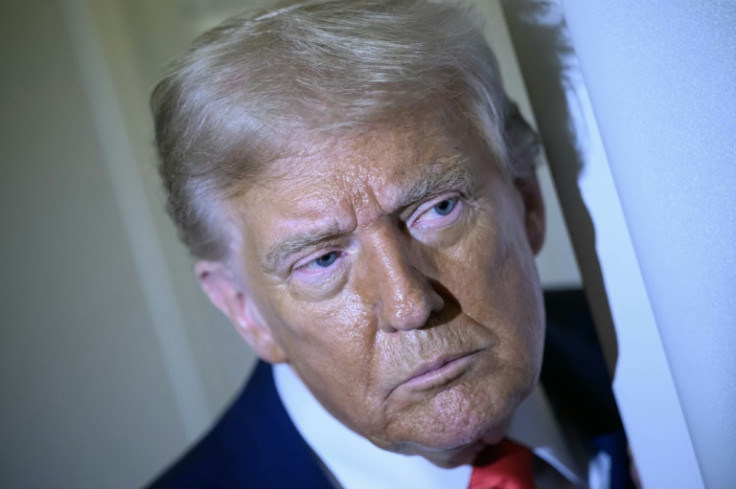
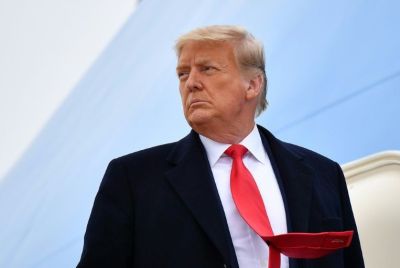
The move fulfills a directive from President Donald Trump on his first day in office to prioritize seeking and carrying out death sentences for the most serious federal crimes. Acting Attorney General Todd Blanche issued guidance directing the Bureau of Prisons to update its execution protocol to include additional constitutional methods currently authorized in certain states, explicitly naming the firing squad alongside lethal injection using pentobarbital.
"Among the actions taken are readopting the lethal injection protocol utilized during the first Trump Administration, expanding the protocol to include additional manners of execution such as the firing squad, and streamlining internal processes to expedite death penalty cases," the Justice Department said in a statement.
The announcement comes amid ongoing challenges in obtaining lethal injection drugs due to pharmaceutical companies' reluctance to supply them for executions. Firing squads, though rare in modern U.S. history, remain authorized in a handful of states and are viewed by proponents as a reliable backup method. The last federal execution occurred in 2021 during Trump's first term.
Critics immediately condemned the decision as a step backward for humane punishment and due process. Death penalty opponents, civil rights groups and some religious leaders called the revival of firing squads barbaric and unnecessary in an era when many states have moved away from capital punishment. Several Democratic lawmakers vowed to challenge the policy in court, arguing it raises constitutional concerns under the Eighth Amendment's prohibition on cruel and unusual punishment.
Supporters, including some conservative lawmakers and victims' rights advocates, praised the move as a necessary tool to ensure justice for the most heinous federal crimes, including terrorism, mass murder and certain drug-related killings. They argue that when lethal injection drugs are unavailable, alternative methods like firing squads provide a constitutional and effective option.
The Justice Department emphasized that the changes aim to clear backlogs on federal death row and respond to Trump's executive order directing the department to prioritize capital cases. There are currently around 40 federal inmates on death row, with executions halted during the Biden administration.
Legal experts note that while states like Utah, Mississippi and South Carolina have used or authorized firing squads in recent years, federal adoption represents a significant policy reversal. The protocol would likely involve a team of marksmen aiming at the heart from a set distance, with one rifle loaded with a blank to diffuse responsibility.
The announcement has ignited fierce debate across political and social lines. Progressive organizations called it a return to "medieval" practices, while conservative commentators framed it as restoring law and order. Public opinion polls on the death penalty remain divided, with support generally higher for certain federal crimes like terrorism.
Civil liberties groups warned that expanding execution methods could lead to rushed proceedings and increased risk of error in capital cases. They pointed to past exonerations of death row inmates and concerns about racial disparities in sentencing. The American Civil Liberties Union vowed legal challenges to any implementation of the new protocols.
The Justice Department's action also includes efforts to expedite internal reviews and appeals processes for death penalty cases. Officials cited difficulties obtaining lethal injection drugs as a primary reason for exploring alternatives, noting that several pharmaceutical companies have policies against supplying execution drugs.
Death penalty experts say firing squads have a long but limited history in the United States. Utah carried out the last firing squad execution in 2010 before shifting away, though some states have reinstated the option as a backup. Federal adoption would mark a notable expansion of its use in modern times.
The policy shift reflects broader Trump administration priorities on crime and justice. In his first term, the administration carried out 13 federal executions after a 17-year hiatus, the most in any single administration in decades. The current moves signal intent to resume and accelerate that pace.
As reactions poured in Friday, the announcement dominated headlines and social media discussions. Victims' families of federal capital cases expressed mixed emotions — relief at the prospect of finality for some, while others focused on the broader moral questions surrounding state-sanctioned killing.
For now, the Justice Department has laid the groundwork for firing squads as an option, but actual implementation would require further procedural steps, legal challenges and selection of specific cases. The development ensures the federal death penalty will remain a contentious issue throughout Trump's second term.
© Copyright 2026 IBTimes AU. All rights reserved.
- Recommended For You