Trump Administration Launches Sweeping Citizenship Crackdown with New Executive Orders
WASHINGTON — The Trump administration escalated its immigration enforcement Monday with a series of aggressive executive actions aimed at tightening citizenship rules, challenging aspects of birthright citizenship, expanding denaturalization efforts and cracking down on perceived abuses in the legal immigration system.

Senior White House officials described the measures as necessary to restore "integrity and fairness" to American citizenship, while critics immediately condemned the moves as unconstitutional overreach that could affect millions of legal immigrants and their families.
The centerpiece of the new policy package is Executive Order 14128, which directs federal agencies to prioritize denaturalization cases involving individuals accused of fraud, criminal activity or affiliation with designated terrorist organizations. The Department of Justice and Homeland Security have been instructed to review thousands of naturalization cases from the past 15 years, focusing on applicants from countries flagged for high fraud risk.
A second directive instructs the State Department and USCIS to impose stricter scrutiny on family-based visa petitions, effectively slowing "chain migration" by requiring higher income thresholds and detailed background checks for sponsoring relatives. Officials say the changes will reduce backlogs and prevent exploitation of the system.
The most controversial element involves a directive to the Justice Department to explore legal avenues for limiting automatic citizenship for children of undocumented immigrants born on U.S. soil. While the administration stopped short of directly challenging the 14th Amendment in court, it has tasked a special working group with preparing legislative proposals and testing narrower interpretations in specific cases.
"Restoring the Meaning of Citizenship"
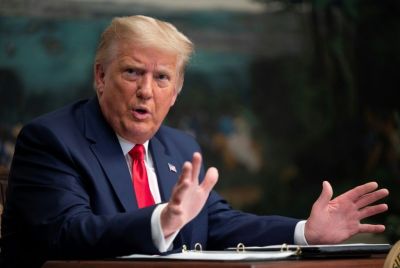
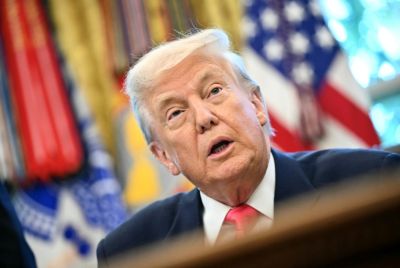
President Trump addressed the new policies during a Rose Garden event Monday afternoon, flanked by border officials and longtime immigration hardliners.
"We are restoring the sacred meaning of American citizenship," Trump said. "For too long, our system has been abused by people who come here illegally and then demand all the benefits. That ends now."
White House Deputy Chief of Staff Stephen Miller, a key architect of the policies, told reporters the administration aims to reduce legal immigration by approximately 40% over the next two years while prioritizing skilled workers, English speakers and those who can demonstrate financial self-sufficiency.
Immediate Impacts
Immigration attorneys report an immediate surge in anxious calls from clients. Naturalized citizens from certain countries have expressed fear of retroactive reviews, while families with mixed-status members worry about separation or delays in visa processing.
At a naturalization ceremony in Miami on Monday, several new citizens expressed mixed emotions — gratitude for their status combined with anxiety about the shifting policy landscape. One woman from Venezuela, who became a citizen last year, said she now worries about her elderly parents' pending family visa application.
USCIS offices across the country have already begun implementing stricter interview protocols and documentation requirements. Processing times for certain family-based categories have lengthened significantly in recent weeks.
Legal and Constitutional Pushback
Civil rights organizations and Democratic lawmakers swiftly condemned the actions. The ACLU announced it would file multiple lawsuits challenging the denaturalization expansion and any attempts to limit birthright citizenship.
"These policies are not only cruel — they are unconstitutional," said ACLU attorney Lee Gelernt. "The 14th Amendment is clear, and attempts to undermine it through executive fiat will not survive judicial review."
Several Democratic-led states have signaled they will challenge the measures in court, setting up another round of high-stakes litigation similar to battles seen during Trump's first term.
Constitutional scholars are divided on the administration's legal footing. While most agree that broad changes to birthright citizenship would require a constitutional amendment, some conservative legal experts argue narrower rules — such as excluding children of diplomats or temporary visa holders — could survive court challenges.
Political Ramifications
The citizenship crackdown is already energizing Trump's political base ahead of the 2026 midterms. Polls show strong support among Republican voters for stricter immigration enforcement, with many viewing citizenship as a privilege that must be earned rather than an automatic right.
However, the moves risk alienating moderate voters and business groups that rely on legal immigration for skilled labor. The U.S. Chamber of Commerce issued a cautious statement Monday warning that overly restrictive policies could harm economic growth and innovation.
Democrats have framed the actions as part of a broader "anti-immigrant agenda" designed to appeal to the president's core supporters. Senate Minority Leader Chuck Schumer called the executive orders "divisive and mean-spirited," while House Democrats prepare oversight hearings.
Broader Context
The new policies build on Trump's first-term immigration agenda and campaign promises to enact the "largest deportation operation in American history." Since taking office in January 2025, the administration has already expanded interior enforcement, increased Border Patrol resources and renegotiated several international migration agreements.
Immigration has consistently ranked as one of the top voter concerns in 2026 polling, particularly in swing districts. The administration's aggressive approach reflects a belief that strong action on the issue will deliver political dividends despite legal and humanitarian criticism.
Human Stories Behind the Numbers
For millions of legal immigrants and their families, the uncertainty is palpable. In communities across California, Texas, New York and Florida, naturalized citizens report heightened anxiety about their status and fear of being swept up in expanded reviews.
Advocacy groups are documenting cases of long-term residents facing sudden scrutiny over minor discrepancies in old paperwork from decades ago. Immigration attorneys warn of a chilling effect on legal immigration as families delay applications or choose to leave the country.
At the same time, supporters of the crackdown point to specific cases of fraud and criminality that slipped through the system under previous administrations. They argue that restoring credibility to the citizenship process ultimately benefits those who follow the rules.
What Comes Next
The coming weeks will likely see intensified legal battles, congressional hearings and continued public debate. The administration has signaled more executive actions are coming, including potential changes to asylum rules and student visa programs.
For now, the citizenship crackdown represents one of the most significant early domestic policy moves of Trump's second term. Its success or failure — both in court and at the ballot box — could shape the direction of American immigration policy for years to come.
As courts prepare to weigh in and families across the country adjust to the new reality, the debate over who deserves American citizenship has once again moved to the center of national conversation.
© Copyright 2026 IBTimes AU. All rights reserved.
- Recommended For You