Strait of Hormuz Remains Largely Closed as US-Iran Tensions Escalate Despite Extended Ceasefire

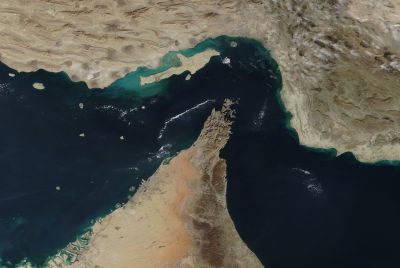
WASHINGTON — The Strait of Hormuz, the world's most critical energy chokepoint, stayed effectively closed to normal commercial traffic Sunday as U.S. naval forces hunted Iranian mines and Iran continued seizing vessels, even as a fragile ceasefire entered its third week and indirect talks resumed in Pakistan.
U.S. officials confirmed Saturday that Navy teams are actively clearing explosive mines laid by Iranian forces, describing the operation as part of a broader push to reopen the waterway through which roughly one-fifth of global oil and significant liquefied natural gas volumes normally pass. Defense Secretary Pete Hegseth said the U.S. blockade of Iranian ports is "growing and going global," with a second aircraft carrier expected to join operations soon.
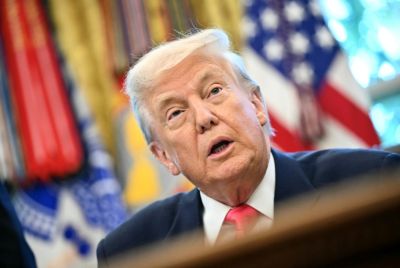
President Donald Trump has ordered U.S. forces to "shoot to kill" any Iranian small boats attempting to lay additional mines, while maintaining that the naval blockade will remain in place until Tehran submits a comprehensive proposal acceptable to Washington. Trump extended the ceasefire indefinitely at Pakistan's request but insisted no full reopening of the strait would occur without verifiable Iranian compliance.
Iran has pushed back aggressively. Foreign Minister Abbas Araghchi and other officials declared the strait "open" for limited traffic earlier in the ceasefire but reversed course after accusing the U.S. of violating terms with its port blockade. Iranian forces seized at least two container ships this past week — the MSC Francesca and EPAMINONDAS — claiming they violated maritime rules, and fired on another vessel. Video released by Iranian state media showed commandos boarding one ship in dramatic fashion.
Shipping data reflects the paralysis. Traffic through the strait has ground to a halt or remained far below pre-conflict levels, with only isolated shadow fleet movements reported. War-risk insurance premiums have skyrocketed, reviewed every 48 hours, and many tanker owners have rerouted vessels at massive extra cost. Asian buyers, particularly China, Japan and South Korea, have turned heavily to U.S. energy exports as a result.
Oil prices have reacted sharply to the uncertainty. Brent crude held above $100 per barrel for much of the past week, briefly topping $105, while West Texas Intermediate traded near $95. The sustained disruption has added billions to global energy costs and raised fears of broader economic fallout if the standoff drags into summer.
High-level diplomacy continues in Islamabad. U.S. envoys Steve Witkoff and Jared Kushner arrived for mediated talks with Iranian representatives, though both sides precondition talks on ending the other's restrictions. Iran demands the U.S. lift its blockade first; Washington insists the strait must open fully and safely before further concessions.
Hegseth has publicly urged European and Asian allies to contribute naval assets, declaring the era of "free-riding" over. Many allies have declined direct involvement while the conflict remains active, citing risks and domestic politics. Retired U.S. Navy officers expressed confidence that Iranian small boats and mines cannot permanently shut the strait but acknowledged the current hybrid tactics create dangerous uncertainty.
The humanitarian and environmental toll mounts. Limited shipping has caused fuel shortages in parts of the region, while earlier oil spills from attacks linger. Global supply chains face rerouting delays, higher costs and inflation risks, particularly for energy-dependent economies in Europe and Asia.
Analysts warn that prolonged closure could push Brent averages well above $100 for the year, slowing global growth. Some forecasts suggest a full reopening might take weeks even if a diplomatic breakthrough occurs, given the need for mine clearance and confidence-building measures.
Inside Iran, hardliners tied to the Revolutionary Guard appear emboldened by the ability to harass shipping despite U.S. naval superiority. Mojtaba Khamenei, who assumed supreme leadership after his father's death in the initial strikes, faces internal pressures to show strength while pragmatists push for sanctions relief.
The U.S. military presence in the region is the largest since the 2003 Iraq invasion, with multiple carrier groups, submarines and air assets on station. CENTCOM has reported intercepting vessels attempting to breach the blockade, though no major naval clashes have occurred since the ceasefire took hold in early April.
For global markets, the strait's status remains the dominant risk factor. Energy traders watch every statement from Washington and Tehran, while shipping firms weigh the growing insurance and security costs. Some limited shadow fleet activity persists, but legitimate commercial traffic has largely avoided the area.
As talks continue this weekend in Pakistan, both sides appear dug in. Trump has signaled no rush, saying the U.S. holds leverage through its blockade and energy exports. Iranian officials insist they will not negotiate under duress. A breakthrough could dramatically ease energy prices; failure risks renewed escalation and even higher oil costs heading into summer driving season.
The Strait of Hormuz, long a geopolitical flashpoint, now sits at the center of a high-stakes test of wills. With mines being cleared, ships seized and diplomacy grinding forward, the world's energy arteries remain constricted — a daily reminder of how quickly conflict in the Gulf can ripple across the global economy.
This story is developing rapidly. Updates are expected from Islamabad talks, naval operations and energy markets in the coming days.
© Copyright 2026 IBTimes AU. All rights reserved.
- Recommended For You