Strait of Hormuz Remains Largely Closed Amid Iran Conflict as Trump-Xi Summit Eyes Resolution
Iran's control over the Strait of Hormuz disrupts global oil supply, impacting energy markets and geopolitical dynamics.

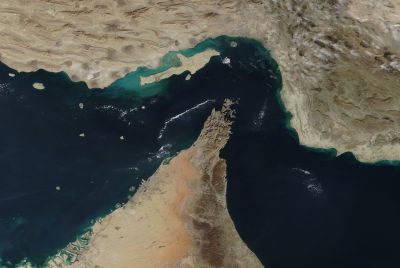
DUBAI, United Arab Emirates — The Strait of Hormuz, the critical chokepoint for nearly one-fifth of global oil supply, remains effectively closed or heavily restricted as of May 14, 2026, more than two months after Iran imposed tight control amid its ongoing conflict with the United States and Israel, driving oil prices above $100 per barrel and disrupting international energy flows.
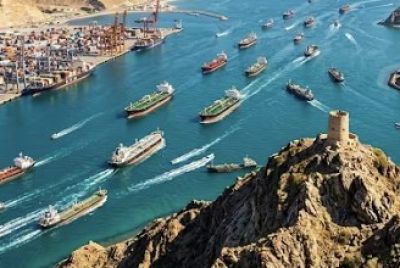
Maritime tracking data and shipping reports show only a handful of vessels successfully transiting the narrow waterway in recent days, mostly Chinese-owned tankers carrying Iraqi crude or other authorized cargoes after securing Iranian permission. The U.S. naval blockade and Iranian countermeasures have reduced daily transits from a pre-conflict average of around 138 vessels to near zero on many days, stranding more than 1,500 commercial ships and over 22,000 mariners in the Persian Gulf region.
The closure, which began in earnest after U.S. and Israeli strikes on Iran in late February, has created the largest energy supply shock in decades. The U.S. Energy Information Administration (EIA) now assumes the strait will stay effectively shut through the end of May, revising earlier projections and warning that a prolonged closure could push oil prices $20 higher in the near term. Brent crude has traded consistently above $100–$107 per barrel, with WTI near $101, reflecting both physical supply losses and a substantial geopolitical risk premium.
Iran has asserted greater control over the waterway, establishing what it calls a "Persian Gulf Strait Authority" and charging some vessels tolls paid in Chinese yuan. Tehran has struck bilateral deals with countries like Iraq and Pakistan to allow limited oil and LNG shipments, while warning that unauthorized vessels risk interception. The Islamic Revolutionary Guard Corps has conducted multiple operations, including reported seizures and attacks on commercial shipping, contributing to at least 42 confirmed maritime incidents since the conflict began.
A Chinese supertanker carrying two million barrels of Iraqi crude successfully crossed the strait on Wednesday, becoming one of the few large vessels to make the journey recently. Additional Chinese-managed ships have also transited under Iranian authorization, highlighting Beijing's critical stake in stable energy routes. China, Iran's top oil customer, has been quietly negotiating safe passage for its vessels while publicly calling for calm.
The ongoing Trump-Xi summit in Beijing has placed the strait at the center of diplomatic efforts. President Donald Trump has pressed Chinese President Xi Jinping to use Beijing's leverage with Iran to help reopen the waterway. Early reports from the summit suggest both leaders agreed the strait "must remain open" for commercial shipping, though concrete commitments on enforcement remain unclear. U.S. Secretary of State Marco Rubio has warned China that failure to help resolve the crisis could harm its own exports and global standing.
The disruption has ripple effects worldwide. Asia, heavily dependent on Middle Eastern crude, has scrambled for alternative supplies, boosting shipments of Alaskan and U.S. crude to the region. Europe has increased reliance on U.S. LNG and other sources. Global inventories have drawn down sharply, with the EIA estimating 10.5–10.8 million barrels per day of Middle East output shut in during April and May.
U.S. gasoline prices have climbed above $4 per gallon in many areas, contributing to April's 3.8% inflation reading. Refiners warn of further increases if the closure persists into June. Saudi Arabia and other OPEC+ producers have maintained output discipline, prioritizing price stability over flooding the market with additional barrels.
The humanitarian toll on mariners remains severe. Thousands of crew members are stranded aboard vessels caught in the Persian Gulf, facing supply shortages and psychological strain. Maritime unions and shipping associations have called for urgent international action to ensure safe passage and crew welfare.
Military efforts to secure the strait have been limited. The U.S. has conducted escort operations under "Project Freedom," but Trump paused the mission earlier this month citing diplomatic progress. Australia, the UK, France and Italy have offered support for multinational missions, including surveillance aircraft and minesweepers, though full operations are not expected until after any ceasefire.
Iran continues to frame its control over the strait as a legitimate exercise of sovereignty and a key deterrent. Iranian officials have warned that U.S. or allied attempts to force open the waterway could escalate the conflict further. At the same time, Tehran has allowed limited transits for certain nations as part of bilateral arrangements, demonstrating selective flexibility.
The Trump-Xi summit offers a potential turning point. Trump has tied progress on Hormuz to broader trade and technology discussions, while Xi seeks stability to protect China's energy imports and economic recovery. Any agreement that facilitates safer commercial shipping could ease price pressures and reduce global economic risks.
For now, the strait's closure continues to reshape energy markets, shipping routes and geopolitical calculations. Alternative routes around Africa add significant time and cost to tanker voyages, while insurance premiums for Gulf transits have skyrocketed. The situation has accelerated interest in diversified supply sources, including U.S. shale, Canadian oil sands and renewable energy investments.
As the world watches the Beijing summit for signals on de-escalation, the Strait of Hormuz remains a dangerous flashpoint where military, economic and diplomatic interests collide. A resolution would bring relief to energy consumers and markets, but the path forward depends on complex negotiations between Washington, Beijing and Tehran.
The coming days and weeks will be critical. Whether the strait reopens fully or remains a contested chokepoint will influence everything from gasoline prices at the pump to global inflation trends and the broader trajectory of the Iran conflict. For now, the waterway that has long been called the world's most important oil artery stays largely silent, a stark reminder of how quickly geopolitics can reshape energy security.
© Copyright 2026 IBTimes AU. All rights reserved.
- Recommended For You