Strait of Hormuz Crisis: US Clears Shipping Lanes as Iran Demands Peace Deal Amid Fresh Clashes
DUBAI, United Arab Emirates — Tensions in the Strait of Hormuz remained high Monday as the U.S. military continued clearing operations for commercial vessels while Iran signaled openness to a peace deal but warned against foreign naval presence in the vital waterway.

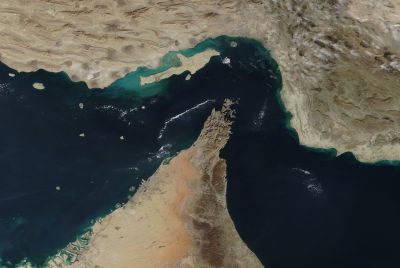
The narrow chokepoint between the Persian Gulf and the Gulf of Oman, through which about 20% of global oil and liquefied natural gas passes, has faced severe disruptions since late February 2026 when Iran imposed restrictions amid escalating conflict with the United States and Israel. Shipping traffic has dropped dramatically, with only a trickle of vessels transiting despite intermittent ceasefire announcements.
Energy Secretary Chris Wright confirmed Sunday on CBS's "Face the Nation" that U.S. forces paused "Project Freedom" — an operation to escort merchant ships — at Iran's request after Tehran indicated willingness to negotiate. However, Wright added that clearing efforts continue, with American naval assets actively guiding stranded vessels.
Recent incidents fuel volatility
Clashes have persisted despite diplomatic efforts. U.S. Central Command reported self-defense strikes against Iranian small boats and positions near the strait after American warships came under missile and drone fire. Iran has claimed successful hits on U.S. assets, though Pentagon officials deny significant damage.
On May 4, President Donald Trump launched Project Freedom with destroyers, aircraft and thousands of personnel to restore safe passage. Iran responded by threatening decisive action against any foreign military presence and seizing vessels. Shipping data shows traffic at a fraction of normal levels, with hundreds of tankers and cargo ships delayed or rerouted.
Diplomatic maneuvering
Iran has sent responses to U.S. ceasefire proposals via Pakistani mediators, emphasizing guarantees against future attacks and reopening the strait. President Trump has described progress toward a deal while maintaining pressure through naval operations and sanctions.
European nations, including the UK and France, have faced Iranian warnings over potential naval deployments. Tehran drew a firm "red line," stating any foreign forces near the strait would trigger an immediate response.
Economic fallout
The disruptions have driven up global oil prices and shipping costs. Major oil companies and traders have paused shipments, leading to supply concerns for Asia and Europe. Insurance premiums for vessels in the region have skyrocketed, with some insurers refusing coverage.
Analysts warn prolonged instability could trigger broader energy market shocks. The International Energy Agency has monitored the situation closely, with contingency plans for releases from strategic reserves if needed.
Strategic importance
The Strait of Hormuz is just 21 miles wide at its narrowest point, with shipping lanes only two miles wide in each direction. Iran has long viewed control of the waterway as a core deterrent. Its Islamic Revolutionary Guard Corps Navy has conducted drills and deployed fast-attack boats, submarines and coastal missiles in the area.
The U.S. maintains a significant naval presence in the region through the Fifth Fleet, focused on freedom of navigation. Recent operations have involved complex coordination to protect neutral shipping while avoiding full-scale escalation.
Human and maritime impact
Hundreds of mariners remain stranded or delayed. Reports of attacks on commercial vessels have raised safety fears. Crews from affected ships have described tense passages under military escort. Maritime authorities have issued repeated warnings for vessels to exercise extreme caution.
Environmental risks also loom. Any major incident involving oil tankers could cause catastrophic spills in ecologically sensitive waters.
Path toward de-escalation?
While clashes continue, both sides appear to be keeping channels open. Trump has alternated between tough rhetoric and hints of deals. Iranian officials frame negotiations around sovereignty, sanctions relief and security guarantees.
Analysts say a sustainable resolution would require addressing underlying issues: Iran's nuclear program, regional proxies and mutual security concerns. Temporary pauses have occurred, but trust remains low.
Global implications
The crisis affects far more than oil. LNG shipments, petrochemicals and general cargo face delays, rippling through supply chains. Asian economies, particularly China, India and Japan, are most exposed as major importers. European nations are scrambling for alternative sources.
Markets remain jittery. Oil prices have swung on every headline. Stock markets in energy sectors show volatility, while shipping indices reflect higher costs and insurance risks.
What lies ahead
As diplomatic efforts continue behind the scenes, the U.S. Navy's presence ensures some traffic moves, but full normalization appears distant. Iran's parliament and military leaders continue emphasizing sovereignty over the strait.
For global energy security, the Strait of Hormuz remains a perennial vulnerability. Monday's developments — continued clearing operations alongside peace overtures — reflect a fragile balance between confrontation and negotiation in one of the world's most critical maritime arteries.
The coming days could prove decisive. Any breakthrough in talks or escalation in the waterway would send immediate shockwaves through energy markets and international relations. For now, cautious optimism mixes with heightened vigilance as the world watches the narrow strait that carries so much of the planet's energy lifeline.
© Copyright 2026 IBTimes AU. All rights reserved.
- Recommended For You