(VIDEO) Netanyahu Tells CBS He Wants to Phase Out US Military Aid Within a Decade
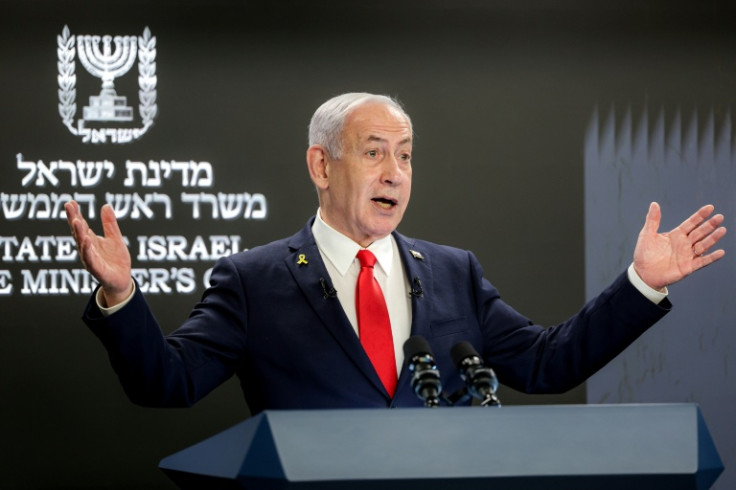
JERUSALEM — Israeli Prime Minister Benjamin Netanyahu said he aims to wean Israel off American military financial support within the next decade, declaring it time for the country to stand more independently as it strengthens ties with Gulf states and builds its own defense capabilities.
In an interview aired Sunday on CBS News' "60 Minutes," Netanyahu told correspondent Major Garrett he wants to "draw down to zero the American financial support, the financial component of the military cooperation that we have." He emphasized starting the process immediately rather than waiting for the next memorandum of understanding.
The current 10-year U.S.-Israel memorandum, signed in 2016, provides Israel with about $3.8 billion annually in mostly military aid. Netanyahu suggested the relationship should evolve from dependency to partnership, noting Israel has already transitioned away from earlier economic assistance.
A shift in long-standing alliance
Netanyahu framed the move as a sign of Israel's growing strength and maturity. "We've come of age," he said, pointing to Israel's advanced defense industry, including Iron Dome, Arrow missile defense and indigenous weapons development. He believes reducing financial reliance will benefit both nations by fostering true strategic cooperation.
The comments come amid shifting U.S. politics and growing questions in some American circles about foreign aid levels. Israel remains one of the largest recipients of U.S. military assistance, a bipartisan staple for decades rooted in shared strategic interests and historical ties.
Netanyahu linked the push for independence to broader regional goals, including normalization agreements with more Arab states. Stronger Gulf partnerships could open new economic and security avenues, he suggested, reducing reliance on any single benefactor.
Reactions in Israel and Washington
In Israel, the remarks drew mixed responses. Supporters of Netanyahu praised the vision of self-reliance, while critics questioned the timeline's realism given ongoing security threats from Iran, Hezbollah and Hamas. Defense analysts note that while Israel produces advanced systems, it still depends on U.S. components, technology transfers and qualitative military edge commitments.
U.S. officials have not issued immediate formal reactions, but the statement arrives during a sensitive period in bilateral relations. Some congressional voices, particularly in the Republican Party, have expressed skepticism about long-term aid, while others staunchly defend the alliance.
Context of U.S. aid to Israel
American military assistance to Israel has evolved significantly. Early decades focused on economic support as Israel built its economy. Military aid ramped up after the 1973 Yom Kippur War and has remained steady, helping fund systems like Iron Dome that also benefit U.S. defense through joint development.
The aid package is largely spent on American-made equipment, effectively supporting U.S. jobs and industry. Experts say any phase-out would require careful negotiation to maintain Israel's qualitative military edge while encouraging greater Israeli self-sufficiency.
Netanyahu previously floated similar ideas, including in a January interview with The Economist, but the CBS appearance marks his most prominent public commitment to a concrete decade-long timeline.
Broader strategic implications
The proposal reflects Israel's changing strategic environment. Advances in its domestic arms industry, cyber capabilities and energy independence have bolstered confidence. At the same time, diversification of alliances — through the Abraham Accords and quiet ties with Saudi Arabia — offers alternatives to exclusive U.S. reliance.
However, analysts caution that full independence remains challenging. Israel faces multifaceted threats requiring sustained high defense spending. A sudden reduction in aid could strain budgets, especially amid recovery from conflicts.
Timing amid regional tensions
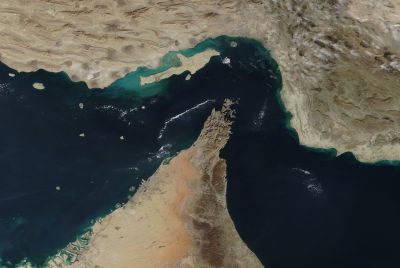
The interview also touched on Iran, with Netanyahu stating the conflict there "is not over" until enriched uranium is removed and facilities dismantled. The comments on U.S. aid come against a backdrop of fragile ceasefires and ongoing regional volatility.
By signaling self-reliance, Netanyahu may aim to strengthen Israel's negotiating position with future U.S. administrations while appealing to domestic audiences who value sovereignty.
Potential challenges ahead
Implementing the drawdown would involve complex negotiations. The current memorandum expires in 2028, providing a natural point for revision. Experts suggest a gradual taper focused on specific categories while preserving intelligence sharing, joint exercises and technology cooperation.
Critics worry the rhetoric could embolden U.S. isolationist voices pushing for deeper cuts across foreign aid. Supporters argue it demonstrates maturity and could ultimately strengthen the alliance by making it less transactional.
Looking forward
Netanyahu's vision, if realized, would mark a historic evolution in U.S.-Israel relations — from patron-client to peer partnership. Success would depend on Israel's ability to ramp up domestic production and secure alternative revenue streams or partnerships.
For now, the statement has sparked renewed discussion about the future of one of America's most important alliances. As Israel navigates security challenges and regional realignment, its leader's call for reduced dependence adds a provocative chapter to a relationship long defined by close military cooperation.
Whether the timeline holds and how Washington responds will shape bilateral ties for years to come. Netanyahu has made clear he wants to begin the process now, framing it as a shared goal that benefits both nations in an evolving strategic landscape.
© Copyright 2026 IBTimes AU. All rights reserved.
- Recommended For You